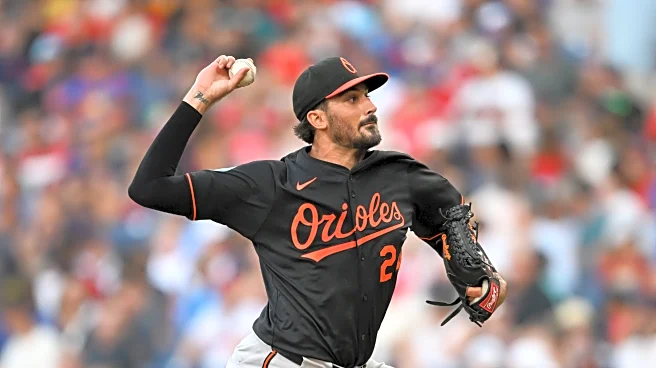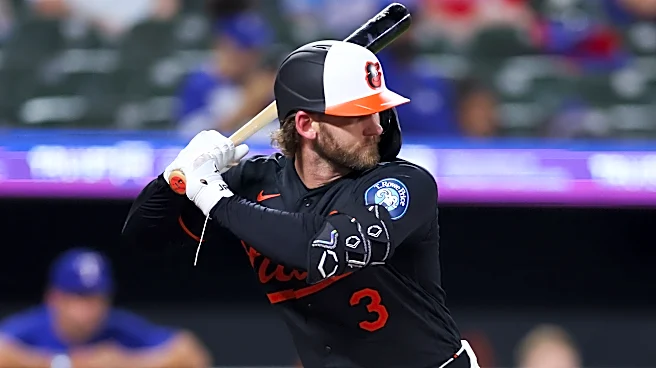

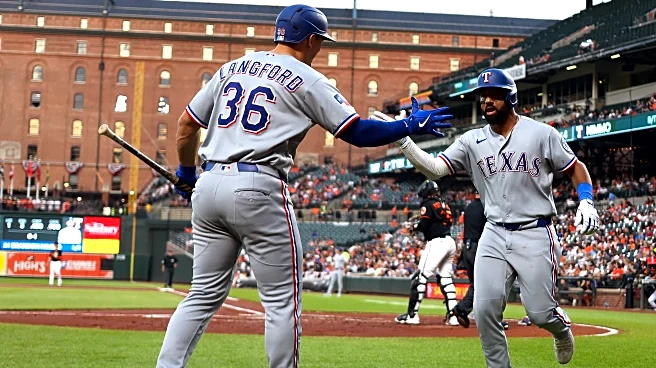
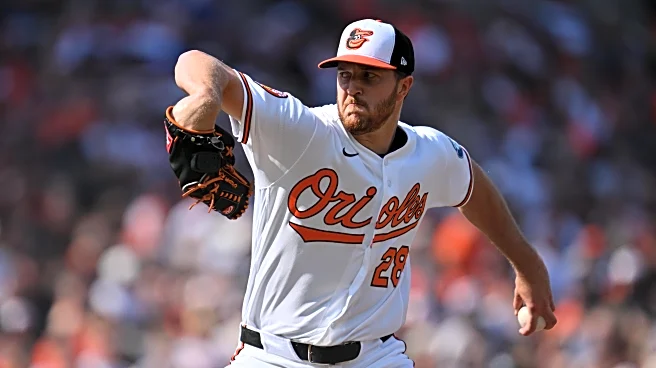
In 2025, the Orioles were supposed to be contenders to make a run at the AL East and deep into the postseason. Instead, they finished 75-87, in last place, with ineffectiveness a big problem on offense. Baltimore’s hitters batted a collective .235 (tied for 24th in MLB) and posted a .699 OPS (21st). Injuries shredded the pitching staff, but the position players were mostly healthy and still couldn’t hit. The organization knew it had a problem.
So the Orioles did some rebuilding on the offensive side.
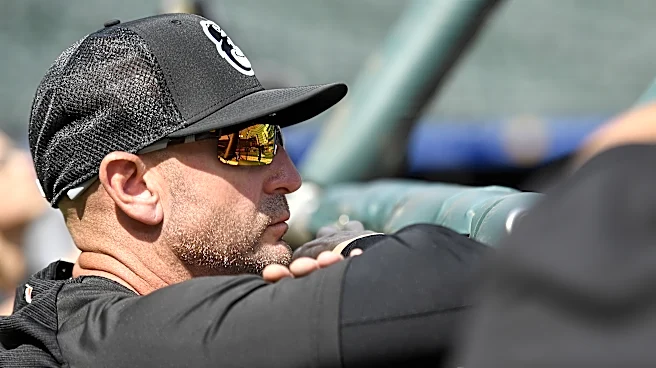
First-year manager Craig Albernaz brought in an entirely new coaching staff on the hitting side: Dustin Lind as hitting coach, Brady North as assistant hitting coach, and Donnie Ecker in the bench coach role. On the position player side, the team’s biggest move was signing Pete Alonso, the longtime Mets slugger who piled up 264 home runs in Queens and cashed in on a five-year, $155 million deal, to anchor the middle of the order. Dylan Beavers emerged as regular lineup options, and veterans Leody Taveras and Taylor Ward joined to provide steady bats on the corners.
On paper, the offense looked rejuvenated. But of course, following a busy offseason, the million-dollar question is: can they actually hit?
After the first week of the 2026 season, the answer is complicated—although this is at least better than bad.
On the downside, this team is slow. Baltimore is near the bottom of the league in stolen bases, and third to last in foot speed by Statcast measures. This is a little surprising considering the outfield got faster, and Blaze Alexander is, according to Statcast, true to his name.
They’re also sitting in the bottom ten in home runs, with just five through their opening games compared to the Los Angeles Angels’ league-leading ten. For a lineup built around adding a slugger and improving the overall quality of at-bats, the early power numbers are conspicuous, though it’s too soon for any real inferences. Moreover, the Orioles are hitting copious doubles (they’re seventh in in two-baggers). That hints at a team making contact and driving the ball into the gaps, even if they haven’t found the elevation yet to turn those into home runs.
Otherwise, the contact looks pretty good. The team batting average sits at .255 (ninth in the league), their on-base percentage is .332 (seventh), and they’ve scored 26 runs (thirteenth). These are not catastrophic numbers; they suggest, instead, a lineup with potential that hasn’t quite unlocked it yet.
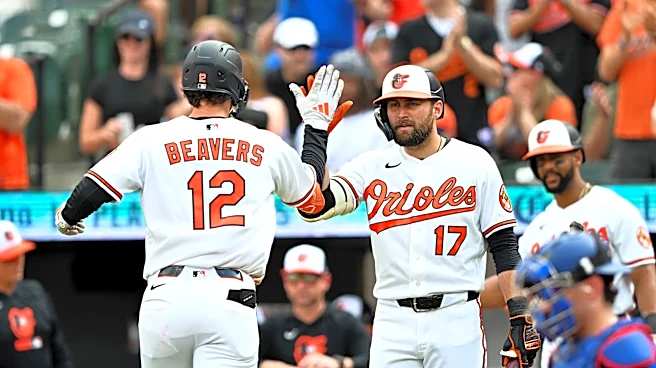
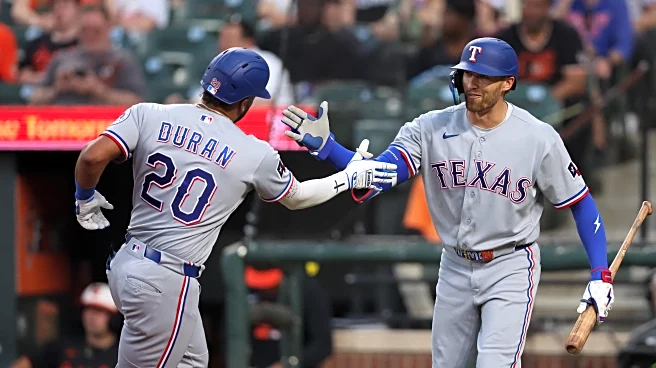
As for the individual performances, the early standouts are Taylor Ward, Dylan Beavers, and Pete Alonso. Ward is batting .333 through the opening stretch, offering the consistent contact the club is looking for from the outfield corners. Beavers is hitting .286 with a homer, three RBI, and three runs scored. His three-hit game in Baltimore’s 8-3 win over the Rangers, capped by a solo shot in the sixth inning, was a showy and exciting showing by the rookie.
The player drawing the most scrutiny, Alonso himself, is also looking good in an early-season sample, even if he’s not slugging homers in bunches. He’s already reaching base with abandon, hitting .304 with seven hits and three walks in 23 ABs. Blaze Alexander and Adley Rutschman are also starting the year off hot, too.
On the cold side of things, Gunnar Henderson, despite an early homer, is 4-for-28, but the foot speed and athleticism are still on display. Coby Mayo, despite a hot spring, is 2-for-20. Tyler O’Neill isn’t rushing out of the gate, either.
This is just illustrative, and not meant to be predictive of anything. This season, the Orioles have the pieces. The new coaches have a philosophy. The new faces are hitting. The early returns are, well, early, but they suggest a lineup that’s more than capable of making noise—even if they’re not mashing taters just not over the fence yet. We’ll have to give them time.