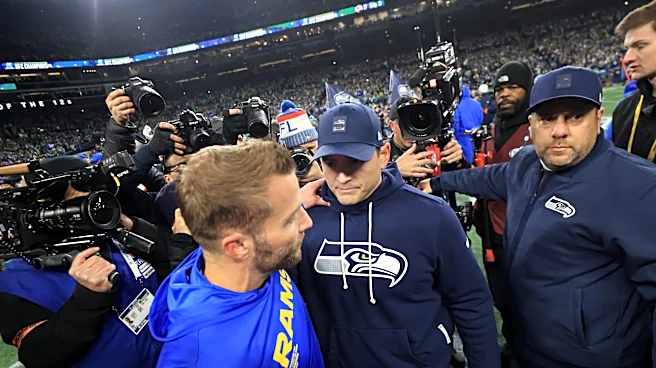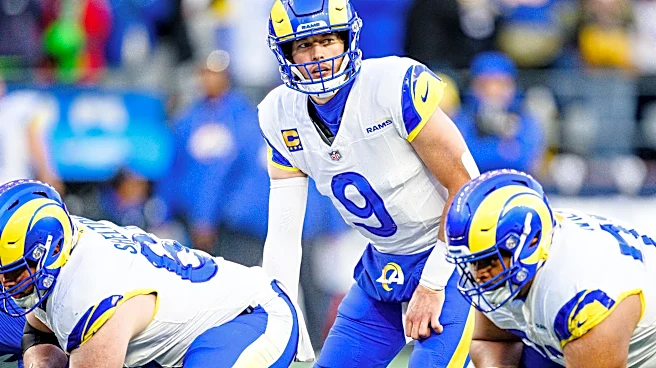




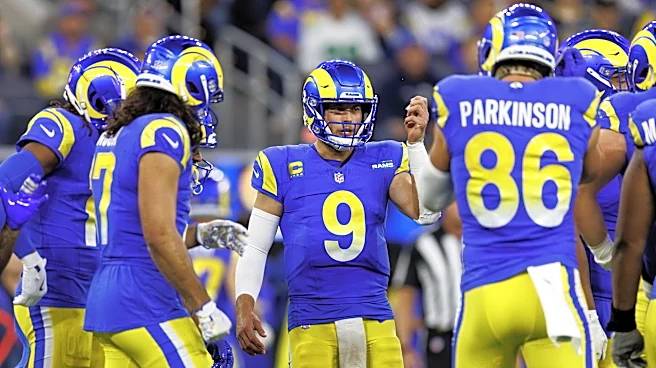
In February, Los Angeles Rams quarterback Matthew Stafford became the oldest signal caller at age 37 to win MVP for the first time. Stafford will not only be working against the clock in the 2026 season, but also against a history of QBs in their late 30s this century who have declined after winning MVP.
The Rams’ QB is tied for the third-oldest player to have ever won the award. Since 2000, only three other quarterbacks age 37 or older have won MVP:
Each of these signal callers experienced a decline
— only some were more noticeable than others.
Brady was the gold standard for the “old guy MVP QB club,” as he remained his typical productive self in the season following his final MVP win. While his passing yardage, touchdown-to-interception ratio and passer rating all dipped slightly, he managed to guide a weaker-than-normal New England squad to a sixth Super Bowl win.
After Rodgers’ two straight MVP wins, his interception rate soared from 0.8% to 2.2%, and he also had the worst passer rating of his career (91.1) until his 2024 campaign with the Jets. The Packers suffered a down year, finishing 8-9 before Rodgers was traded to New York in the offseason.
Manning started hot in the encore to his historic 2013 campaign, starting the year with a 29-7 touchdown-to-interception ratio through Week 9 of 2014. Then, beginning with a blowout Week 10 loss to the Rams, he ended the season with a touchdown-to-interception ratio of 10-8. Part of his second-half dip was due to injury concerns.
Of anyone in that grouping, Gannon had the worst drop-off, which is unfair. Gannon suffered a shoulder injury after a dismal start to the 2003 season. His career was effectively ended in 2004 following a serious neck injury.
Playing quality football in a player’s late 30s is tough enough, but it’s an even greater feat to maintain MVP-level quarterback play at that age. Stafford is working against history and Father Time as he works to get the Rams back to a Super Bowl before retirement. Los Angeles had better hope that once his play declines — and that’s inevitable for older QBs — it doesn’t dip significantly to hinder any chances of a deep playoff run.