
It’s not possession that wins games; it’s not who has the highest xG; it’s simply one team scores more than the other. Football is a simple game made complicated by those who should know better – Bill Shankly.
Similarly, the season’s final table positions are not dictated by goals scored or conceded. However, goals matter (a lot), and Sunderland scored a grand total of 42 goals last season, the lowest of any top-ten finishing side since the 2021/22 season.
If we assume this season’s target is a top-ten
place, then 42 goals might be enough again, but it’s unlikely. Plus, there is the Europa League and domestic cup competitions to contend with.
I am sure Régis Le Bris and Florent Ghisolfi are well aware of the issues. Maybe, after the explosion of news on Wednesday afternoon, we are getting some clues as to where they see the solutions.
If we take the sides that finished fifth to ninth last season, their main strikers scored: Brentford (22), Bournemouth (19), Liverpool (18), with Brighton (13) and Sunderland (13) the outliers.

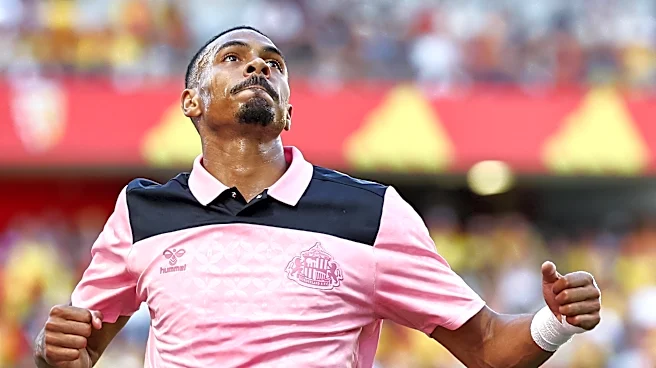
While it’s true Brian Brobbey didn’t really get going until November last season due to fitness and acclimation, he scored seven goals last season and Wilson Isidor six. However, in a summer of inflated transfer fees, I don’t see the club spending big on another proven striker. So, it’s down to Wilson and Brian again, and expecting them to deliver a combined total of more than 18 goals this season is a big ask.
Last season, we also lacked goals from midfield and, particularly, wingers. If we look at midfielders, where are their goals going to come from? Shots from outside the box are generally a small proportion; tap-ins from the scrambles around corners and long throws are another small set. Most should come from chances created by the main striker and, particularly, the wingers.
It depends on who you count as a winger, but I will be generous and suggest our wingers contributed a total of seven goals last season. In comparison, Brentford had 15, Bournemouth 12, and Liverpool and Brighton nine. Our winger assists were also on the low side, with a grand total of two compared to seven for Brighton and Brentford.
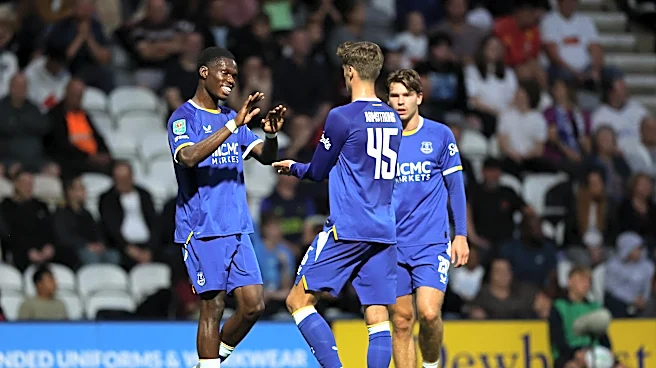
So, I suggest goals and assists from wingers (mainly) and midfielders (to a point) are a big issue. I think it’s probably why the club spent big on Nilson Angulo. Romain Mundle remains an unknown quantity due to injury, and Simon Adingra will surely be shipped out once fit.

The right side has been the obvious press and supporter focus during the transfer window, with Bertrand Traoré gone and only Chemsdine Talbi available, assuming he plays right rather than left. I exclude Hume and Rigg as they are not wingers, and Ta Bi, who will likely go out on loan.
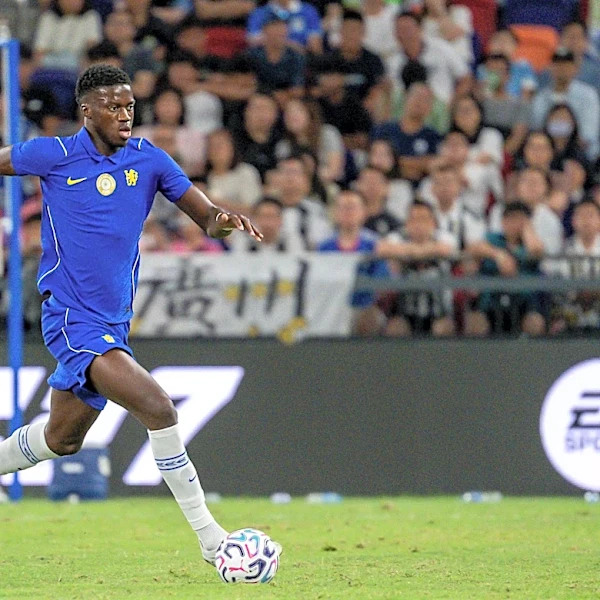
However, both Angulo and Talbi are inexperienced, so a significant increase in their goal and assist tally is not going to happen.
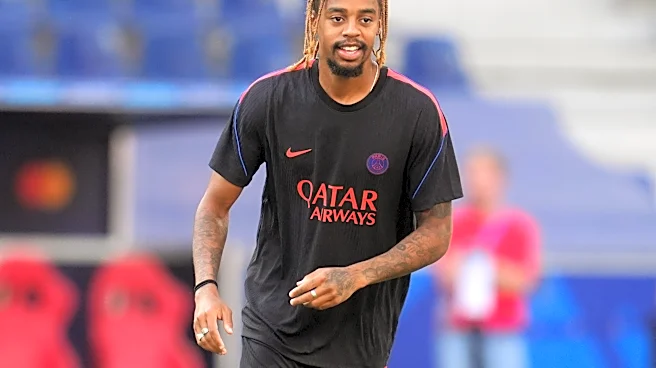
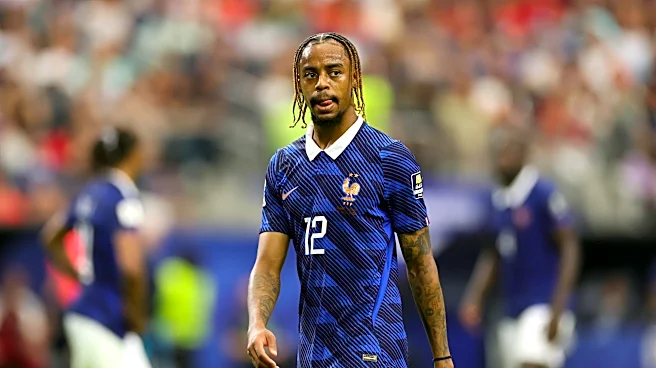
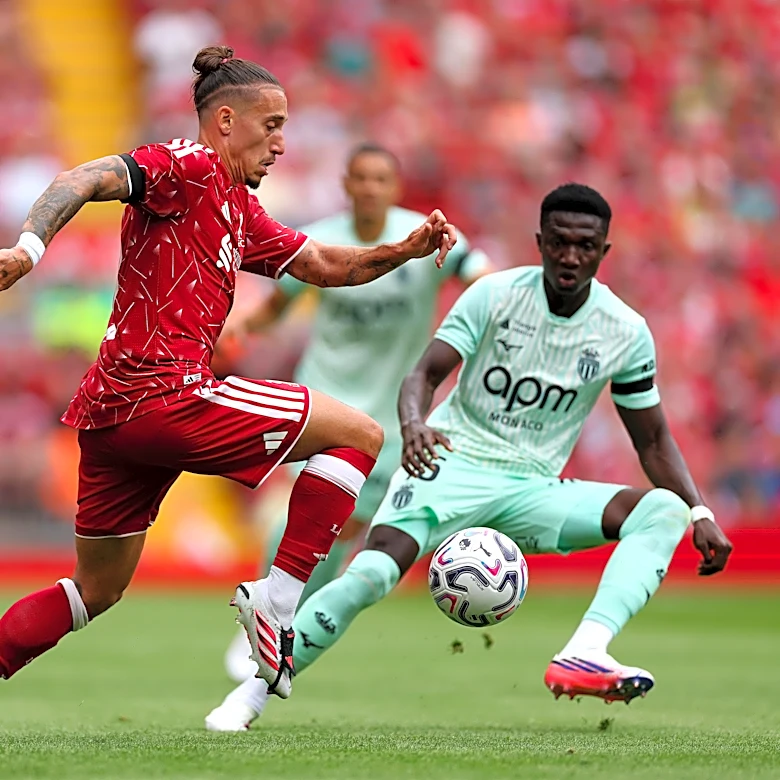
If you agree with my argument about goal-scoring wingers, then the issue is not only the right, but also the left. That’s where signing Igor Paixão makes sense. What’s more, Paixão could play on the right if necessary and also as a striker, and I feel that is the key.
Enzo Le Fée could go off or move out to the left wing to allow Paixão to play off Brian Brobbey and try to poach a goal late in games. Perhaps more radically, Igor Paixão could play as a false nine with Enzo occupying a channel between the centre and left wing. If injuries to Enzo (please no) were an issue, he could also play in that slot.
In that scenario, the right side remains an issue, so I am betting Geny Catamo (or equivalent) is still to come. If so, then maybe somebody will need to go to keep spending within the required limits. My personal choice, assuming we can drum up some interest, is Habib Diarra.
To be fair, his season was disrupted by an early injury and then AFCON, so he never really got going, but I never really worked out where he was supposed to fit. I doubt he is a holding midfielder. He could do the Sadiki role, but he is not as good or as disciplined. At a push, perhaps he could play the Enzo Le Fée role.

Ultimately, I think the key issue Sunderland are trying to solve is obvious: we need more goals from more areas of the pitch. We can’t reasonably expect Brobbey and Isidor to suddenly become a 30-goal partnership, so the responsibility has to be shared around the team. That means more from our wingers, more from midfield and, ideally, having players who can change the game when Plan A isn’t working.
That’s why Paixão makes so much sense to me. He isn’t just another left winger to add to an already crowded position; his versatility could give Le Bris another attacking option and, importantly, another route to goal.
There are still obvious gaps in the squad – particularly on the right – and I suspect we haven’t seen the end of the transfer activity yet. But perhaps the most encouraging thing is that Sunderland appear to have recognised where the goals need to come from. Now we just need to see whether the new additions can deliver them.