

Since Vince Lombardi left the Packers’ sidelines, 10 different men have been the head coach of the Green Bay Packers.
Of those, only two have one titles, and all of their tenures have ended badly. This isn’t surprising. The Tom Cruise quote from Cocktail is accurate: everything ends badly, otherwise it would never end.
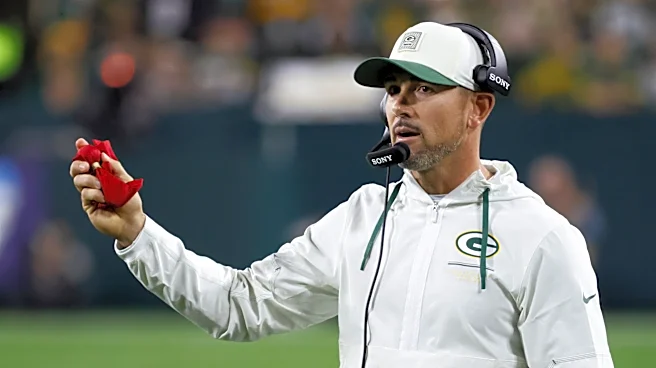
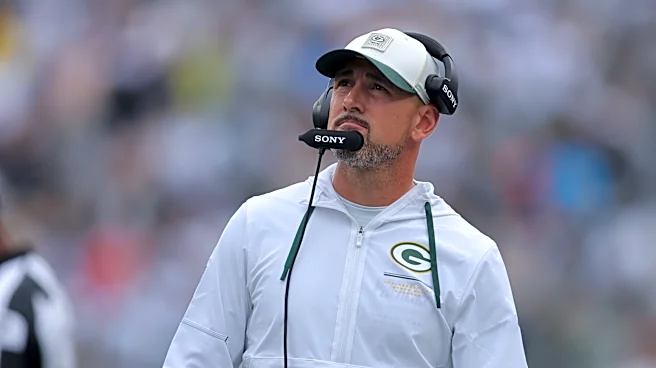
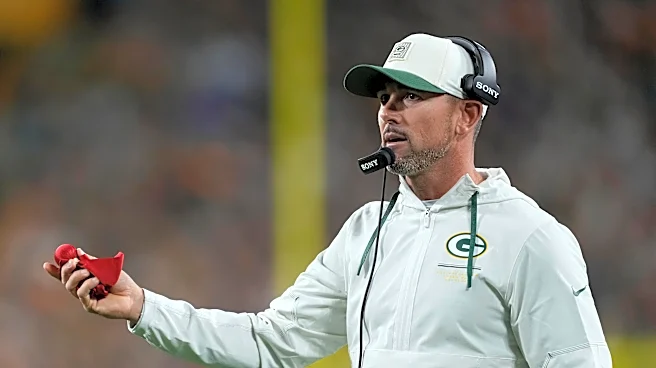
Of course, Matt LaFleur’s tenure hasn’t ended yet, but it might be in the process of ending. How does it compare to those who have gone before him?
For starters, LaFleur is on a nearly
unprecedented championship dry streak. I’ve pointed this out before, but it bears repeating: with eight seasons (or at least, seven full seasons and one partial one) under his belt, LaFleur is tied with Bart Starr as the longest tenured Packers coach to never win a title. And I think Bart Starr gets some leeway there because of, you know, all the titles he won as a player. It didn’t make him a better coach, but you could at least see the appeal of having a guy with five NFL championships around.
But statistically, LaFleur doesn’t stack up much better. Via data from Pro Football Reference, I compared LaFleur to the other nine post-Lombardi coaches in Green Bay, seeing how they stacked up statistically across the first three games of what would become their final seasons.
PFR had worthwhile data for 14 different categories: wins, points scored, points allowed, first downs gained, total offensive yards, total passing yards, total rushing yards, turnovers, first downs allowed, total yards allowed, passing yards allowed, rushing yards allowed, takeaways, and penalties.
Are all of those the head coach’s problem? Not really, no. But the buck has to stop somewhere, and head coach is a “get hired to get fired” job; sooner or later, you’re responsible for the whole team’s performance. An offensive coach will be on the hook for the defense’s failures one way or another, in part because he’s the guy who hires the defensive coordinator.
In those 14 categories, LaFleur ranks worst in three categories: points allowed, rushing yards, and penalties. I find these three to be particularly damning.
For starters, points allowed is, in many cases, an offensive stat. If your offense either turns the ball over deep in its own territory or can’t stay on the field long enough to give the defense a breather, the defense is going to get gashed and gassed, alternatively. And both have happened to the Packers.
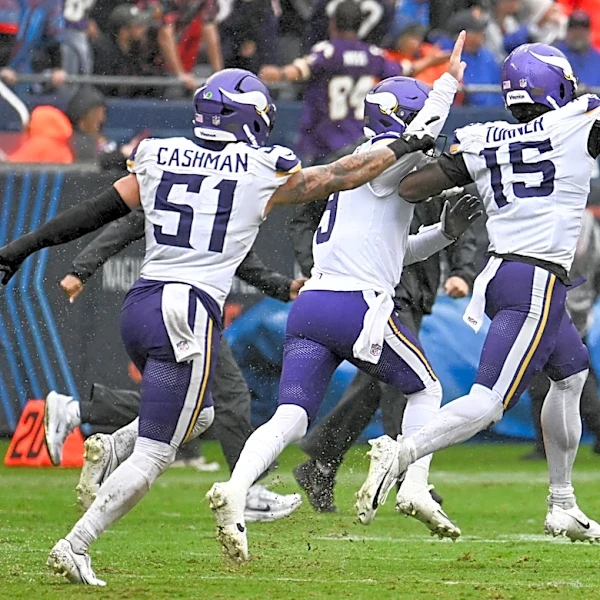
In Week 1, turnovers by the Packers’ offense deep in its own territory set the Vikings up with touchdown drives of just one and 14 yards. 15 yards of offense for two touchdowns. Must be nice! The Vikings also cashed in a 28-yard drive for a touchdown after the Packers’ special teams allowed a big kickoff return. And in Week 2, a fumble deep in Packers’ territory also set up the Jets for an easy field goal after advancing just four yards. Points allowed, I think you’ll agree, is not always a solely defensive stat.
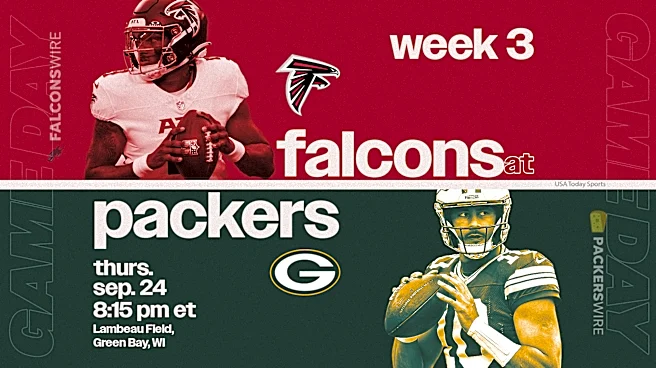
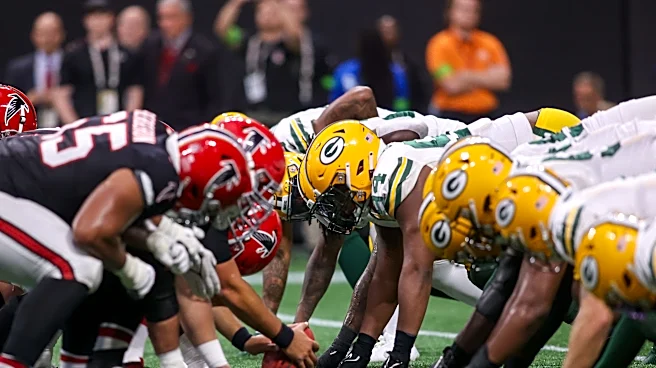
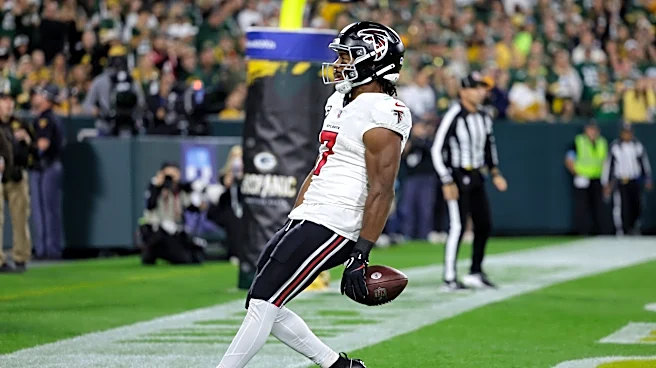
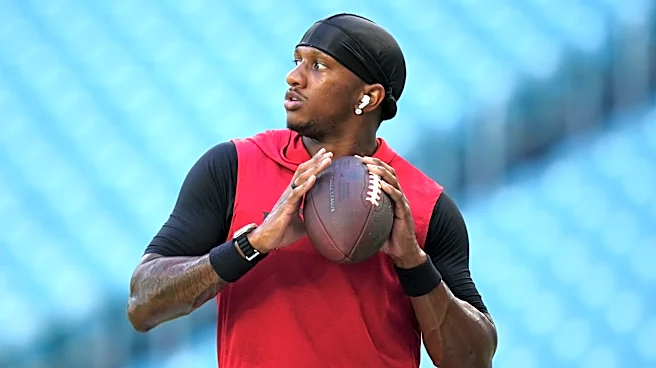
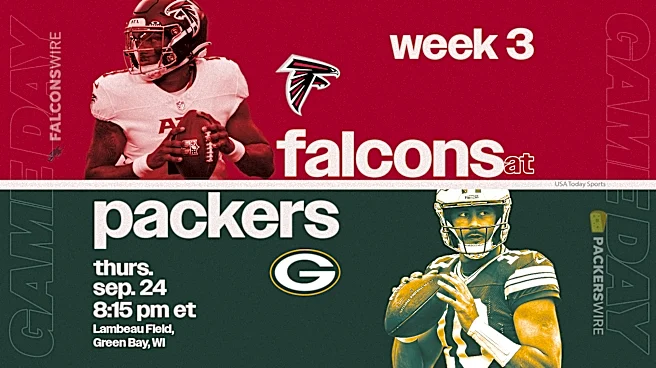
Then, just last night, we saw the result of an offense that couldn’t stay on the field. The Packers possessed the ball 10 times in their Thursday Night Football debacle against the Atlanta Falcons, but on five of those drives they ran four plays or fewer. That includes a four-play drive that was only technically four plays; the fourth was a blocked field goal, which goes down as an offensive play for charting purposes. So really, it was five three-and-out drives for the Packers, which put their defense back out on the field again and again with predictable results. Bijan Robinson glided through a gassed Packers’ defense like they were on skates. They might as well have been. Points allowed, again, is not always a defensive stat.
The rushing yardage figure is another bad look for LaFleur if only because it’s a breakdown of his core philosophy. The “Matt LaFleur has a run-first offense” take has always been kind of a farce; few NFL teams actually pass more than they run, and LaFleur’s offenses have always been pretty efficient in the passing game. But by reputation, LaFleur’s supposed to have a good ground game. In 2026, he doesn’t, and of the 10 post-Lombardi coaches, nobody has produced fewer yards on the ground than LaFleur’s Packers this year.
He doesn’t have a ground game in part because he got caught in a schematic shift that didn’t work. During his seven-plus years with the Packers, LaFleur has gradually transitioned from his original wide zone run scheme to a more gap-based ground game. The Packers invested heavily in this transition in 2024 and 2025, signing inside power runner Josh Jacobs and massive offensive lineman Aaron Banks, supposedly a road grader on the ground, while drafting Anthony Belton, another massive lineman who supposedly could move bodies on the ground.
Jacobs has been the best of those three, but in 2026 he’s nowhere to be found — much like Banks, I suppose. Belton, meanwhile, has never found a home on the offensive line and hasn’t looked comfortable wherever the Packers have put him, leading to cascading failures on the offensive line and, as a result, a bad running game.
Then there’s the penalties. I saw all the iffy ones in Week 1, just like you, but’s more than that. It’d be one thing if there were just one bad game of penalties, but through three weeks LaFleur’s team has been penalized 32 times. None of the other post-Lombardi coaches were penalized more than 28 times in the first three games of their final year. LaFleur’s predecessor, Mike McCarthy, who had supposedly lost control of the locker room and the team discipline that goes with that, only saw his team earn 15 penalties during the first three games of 2018.
Maybe LaFleur somehow turns things around. Maybe I’ll get a check in the mail for a million dollars. Stranger things have happened! But compared to the final year of every other head coach whose time ended in Green Bay, LaFleur is looking pretty bad. Maybe he makes it out of this year without getting fired, but the evidence shows better coaches than LaFleur didn’t make it to the next season after an abysmal start.