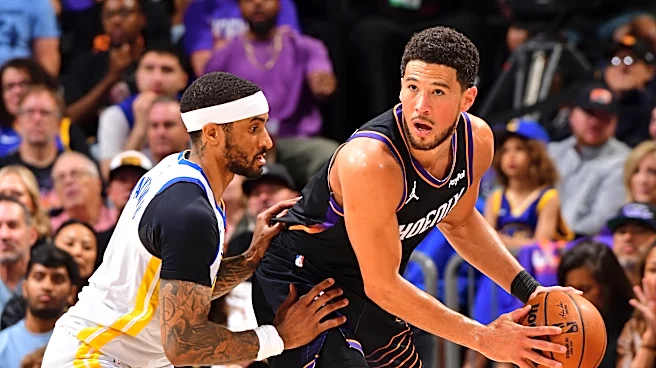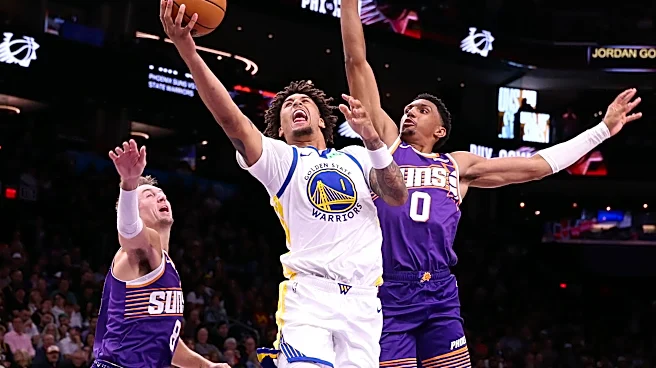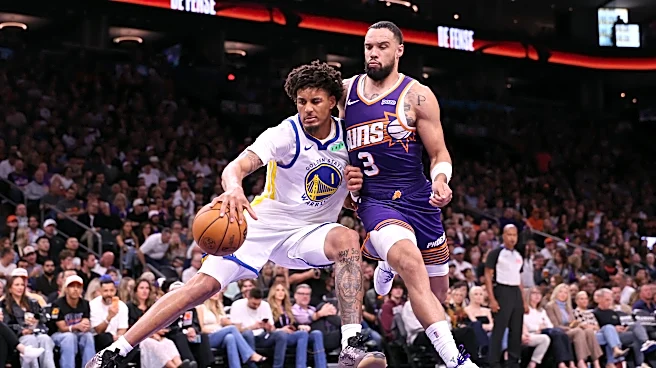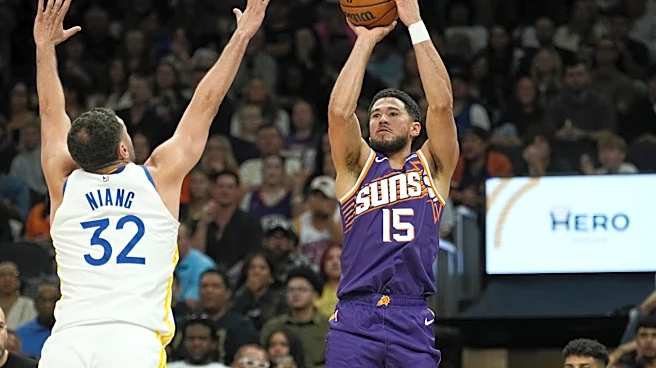




Chemistry is a difficult thing to achieve for any team. The majority of teams never reach that point where comfort meets production, so when you have it, you hold onto it and cherish it. There’s beauty in chemistry because players instinctively know where their teammates are going to be on both ends of the floor, creating the appearance of five people moving as one.
Right now? The Suns’ first unit doesn’t have it. Two games into the season, I think we all hoped we’d see a little more connectivity
from the starting unit. But thus far, it has yet to manifest itself.
I guess it’s understandable, right? After all, 40% of your starting lineup is new. Miles Bridges wasn’t on the team last season, and Khaman Maluach started only one game during his rookie year. So yeah, there’s going to be a learning curve.
I recognize that the Massacre at Moda in Portland is going to skew a lot of our overall numbers until at least the 20th game of the season. But you can still feel it on the court. You can see the discombobulation.

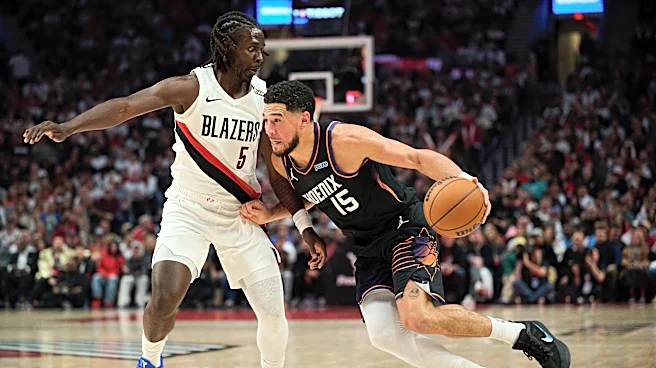
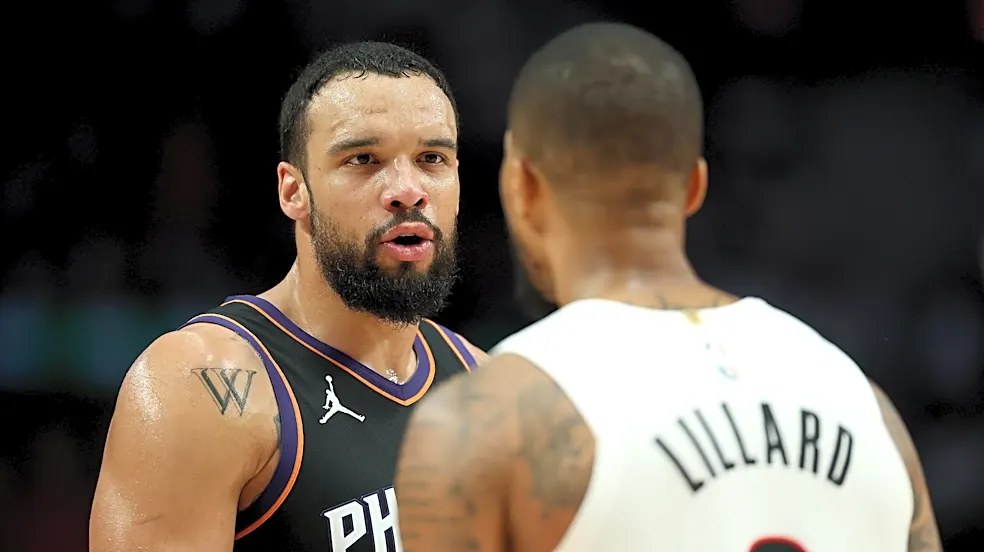
Defensively, we’re constantly seeing Jalen Green, Dillon Brooks, or Miles Bridges collapse on the weak side, leaving opposing three-point shooters wide open. Against Portland, that open shooter was consistently Damian Lillard. You’re not going to make a living doing that.
The issue is that these guys don’t yet know when and where to provide help. There needs to be better communication within the starting unit, along with more repetitions so everyone understands when help is necessary and when it’s probably a good idea to avoid leaving a Hall of Fame three-point shooter open.
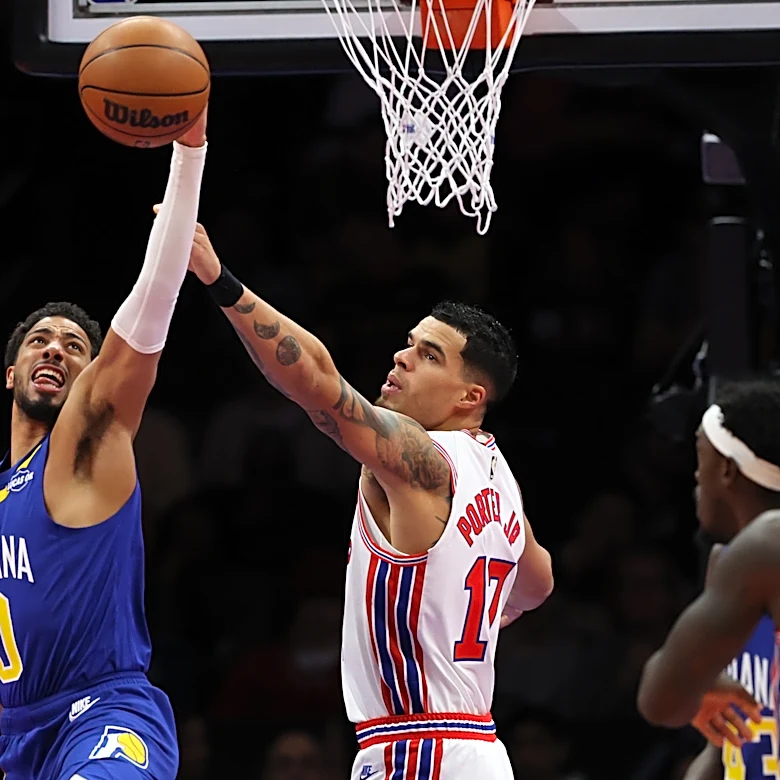
We witnessed the same issues against the Warriors, where the Suns consistently failed to operate as one cohesive unit. At times, multiple players would attack the ball. Other times, nobody would, creating a layup line for players like Will Richard, who could take the ball the length of the court and finish at the rim.
Offensively, we’re seeing similar problems. Two players will run over to set the same screen because neither seems to know who’s supposed to be setting it at that particular moment. Back screens are missed because players didn’t realize it was theirs to set.
This isn’t to say you give up on the group entirely. It’s a demonstration that this team is going to need time to gel. That continuity we believed could help propel the Suns through the early portion of the season, while opposing teams were still trying to figure themselves out, has become a moot point. It doesn’t exist right now. And it doesn’t matter.
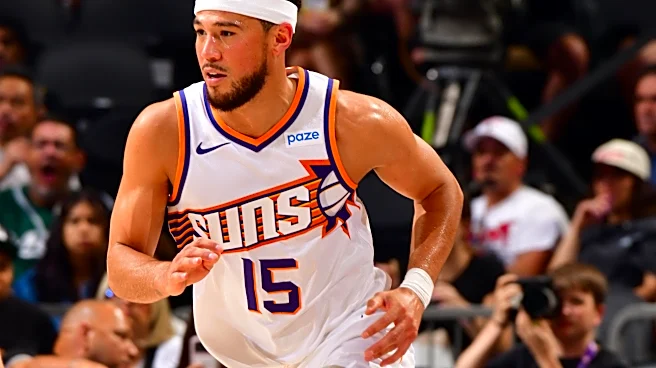
You look at the second unit and see much more stability, a clearer understanding of roles, and players who seem to know where they’re supposed to be. Why? Because the roles within that unit are more clearly defined. Devin Booker noted as much following the win over the Warriors on Saturday night.
“I’d say right now they have more of a chemistry than our first group, and I think typically that’s how teams are,” Booker said. “You play against those guys every day in practice, and they know each other like white on rice. I’ve been guarding Collin and Oso, and having Goody picked me up for a long time now.”
“I know how special players they are, and every time we can share the court together, I always enjoy that,” he added. “You can feel the crowd get involved. The ball is hopping around, and the defense is at a high level. As the first unit, we need to learn from them in a way, and the type that they play: everybody sacrifices in those groups, and you see the result that you get out of it.”
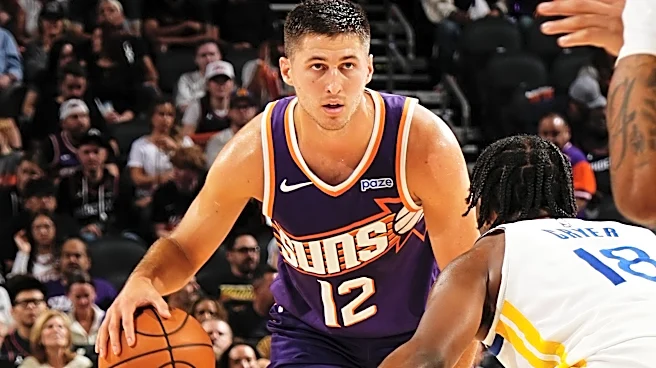
We know Collin Gillespie is going to be the tip of the spear and the primary facilitator of the offense. With that established, everybody else can fall in line because they’re not playing the same game of hot potato that the starting unit is, trying to determine whether Devin Booker or Jalen Green is supposed to be running the offense. We know Jordan Goodwin is going to be your point-of-attack defender and one of your best rebounders, crashing the glass whenever the opportunity presents itself. So when you see him guarding somebody, you’re not necessarily inclined to rush over and provide assistance. And we know Ryan Dunn is going to do a lot of the little things because he’s operating in the role he’s destined to play rather than one he’s being asked to play.
Sure, you have the insertion of Luke Kennard, who made his season debut Saturday against the Warriors, but he’s a much more connective player. He fits into that existing structure rather than disrupting it.
And that’s ultimately the difference between the two units right now. The second group understands its responsibilities, trusts the players around them, and operates with a level of confidence that comes from familiarity. The starters are still trying to establish that same understanding. Talent can overcome plenty of deficiencies, but chemistry requires repetition, communication, and clearly defined roles. Phoenix has the pieces to make it work. Now Jordan Ott has to figure out how they fit together, because continuity means very little if nobody knows what they’re supposed to do.