

Historically, baseball teams were typically owned by people who bought them specifically to make the team itself their primary business; box office, merchandise, advertising and sponsorship and later, radio and then television revenue. However, that began to change around the early 60s, accelerating in the 70s and 80s. Teams started to see more corporate ownership, early ownership groups, and most often, teams purchased by men who had made their fortunes well outside of baseball and then acquired
teams as part of their overall portfolios. Now, most teams have some form of limited ownership group in place, with the majority share held by someone who acquired the team as an investment after making their money elsewhere.
It is important to understand that the nature of MLB ownership is very different from the last major labour stoppage 32 years ago. It isn’t just the differences in ownership types but how the economics of baseball has changed. It’s a common joke to describe it as ‘real estate companies that happen to include a baseball team’ but that model has become increasingly common, with the rise of investments around the stadium such as Wrigleyville or The Battery Atlanta controlled by the team. While baseball in general doesn’t like corporate ownership any longer (Toronto being the only MLB team owned by a publicly traded company) it has also opened the doors recently to investment from private equity, most notably the 16% stake of the New York Yankees sold to Apollo Global Management.
In the case of ownership groups, they can be remarkably large. For example, the Pittsburgh Pirates have seven owners, with Bob Nutting as the principal owner. The new group that bought the Tampa Bay Rays has nine owners, with Patrick Zalupski as the principal owner. Ownership has grown significantly more complex in the last thirty years, with far more stakeholders behind the scenes.
Finally, the biggest change is due to the surge in franchise value and the increasing popularity of developing revenue streams from outside of the stadium and season round, often subsidized by taxpayer money, many teams have leveraged that franchise value in order to expand their ownership footprint, meaning many teams are carrying some level of debt that needs to be serviced from season to season. All of these factors will inform both the tactics and the will of the owners to press for a deal once they begin to lose actual games.
What Are The Key Motivations
At the end of the day, the owners want two things that do not currently exist in baseball: cost certainty and containment. The containment part is to reduce the draft across the board, reduce minor league teams on an equal basis, and limit the number of players that they need on payroll and in their systems equally. Displacing development costs to schools and individuals as much as possible has been slowly happening over decades now, and with a much smaller draft excluding high schoolers and less roster space overall, most would be players and college baseball programs would need to shoulder the costs of more aggressive private camps and training to be in the position of being drafted.
Cost certainty is the salary cap. Ownership knows that if they can bring in a salary cap at any cost, it will never be removed, and they can control costs in a far more exact way. This will dramatically increase the value of each franchise because a projectable cost of doing business on a P&L is a tremendously stabilizing factor in ensuring profitability. That’s why they have been trying to sweeten the deal with things for the players that are minor factors for them because the cap will rapidly increase the valuation of their clubs and with it, the capital they can raise from it.
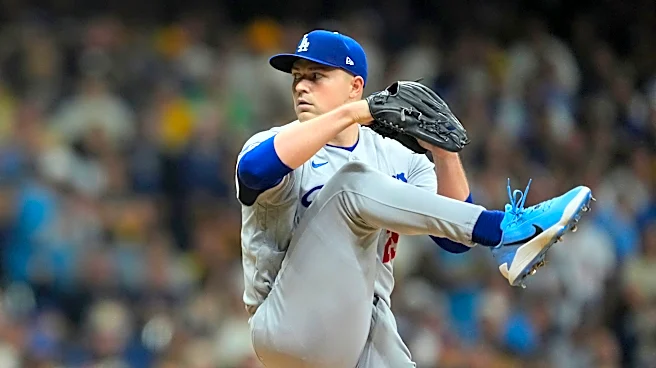
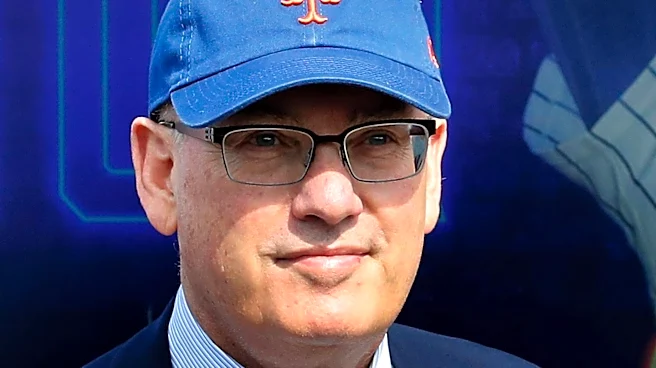
In the current situation, teams like the New York Mets or Los Angeles Dodgers have deep pocketed ownership groups, large markets, and a willingness to spend. Many owners loathe this because they aren’t valued in a vacuum but in part on how competition effects their revenue. The Jays are a perfect example of a team that is significantly more profitable when they are competitive, but that requires a larger payroll. For smaller market teams, teams without the same financial backing or teams that have had their franchises heavily leveraged against its value, closing that gap can cause real financial pain to ensure their revenue remains consistent and positive. A cap doesn’t guarantee competitiveness (no matter what Manfred says) but it creates a hard upper level of potential cost that owners can factor in from the start, as opposed to nebulous marks that reset every offseason as deals and negotiations are underway.
Can They Hold Together
As shown, we’re long past the days of the owners being just 30 deep pocketed guys sitting around a conference table and swearing not to give another inch to the players. Most teams have multiple stakeholders and each of those stakeholders has different priorities and different levels of pain they are willing to accept. To be clear, absolutely every ownership group in baseball wants a salary cap. But at what cost is unlikely to be a unified amount across all the owners.
The first cohort that might be less willing to take on lost games are the ones likely to be most affected by the salary cap. The Dodgers, Mets, Jays, Phillies, Red Sox and Yankees. All of these teams are over significantly over the Competitive Balance Tax willingly and would need to shed significant payroll. The Yankees, Braves and Jays also have their own broadcasters tied to the team, so they would lose significant revenue from the lack of content, in the Jays case, especially once NHL and NBA playoffs end. While the benefits of a cap for them are clear, the potential loss of revenue in their major markets is significantly greater than other teams which will influence their resolve.
The second cohort are the owners that are either new, in the midst of significant changes, highly leveraged debt wise against the value of the franchise or all three. Any significant lost time will impact the stadium deals in Las Vegas and Tampa Bay, potentially delaying their opening and/or impacting their financing to complete construction. Feliciano and Jones are rumoured to have taken on a sizable share of debt to buy the San Diego Padres from the Seidler family. There are also strong rumours that Bob Nutting of the Pirates, the Ricketts family of the Cubs, and Bob Castellini of the Reds have heavy leveraged debts to service and without a steady stream of revenue could find themselves in a position that they might have to sell part or all of their share in the team. Again, all of them would love a cap but are they willing to possibly lose their team in order to hold the line?
While the owners will allow Manfred’s team to be the face of the negotiations, behind the scenes, they still need 23 votes to ratify any agreement. So 23 owners need to be in agreement how much revenue they are willing to lose in the face of a continued lockout and they will have to sell that agreement to the rest of their ownership groups, which is no simple matter.
However, there is a very powerful motivation for the owners. After 2028, the MLB regains the full national media rights to most of the teams in baseball. Manfred, for his swansong, wants to sell a national streaming package that they estimate would be worth $100B over eleven years. There is also the intention to expand the MLB to 32 teams, opening up two new markets and collecting several billion upfront in franchise fees. If they can hold out and get a cap in place, the franchise values will rise significantly. The real question is how much loss is too much for them?