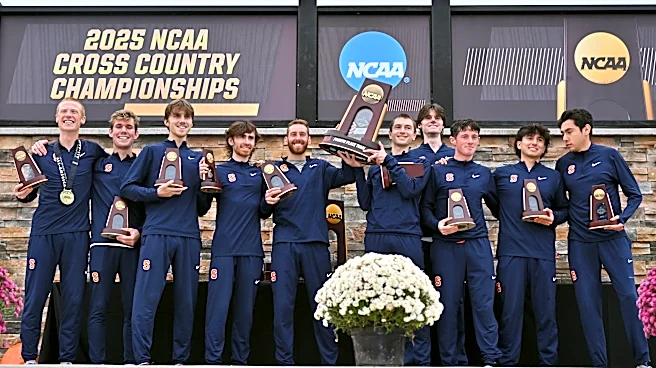









With the new 5-in-5 eligibility rule official, we’re going to take a look at the impact on Syracuse Orange teams. Since it’s the sport nearest and dearest to me, I’ll talk about the cross-country and track programs.
Under both Chris Fox and Brien Bell, most of the freshmen distance runners have taken a redshirt in their first cross-country seasons. This means the coaches then have to navigate the indoor and outdoor track seasons to figure out how to best fit those seasons into a 4 1/2-5 year plan.
You don’t want a young runner going a calendar year without being able to race more than a couple of unattached meets. You want to get them experience and give them some motivation for training.
Now, you probably won’t see Bell throw newcomers into a full x-c season, but he can mix them in at some meets and try to keep his top 7 from racing too much. The ability to have that 5th season can help coaches to allow athletes time to recover between meets and adjust training blocks to keep the top group peaking for the championship season.
The women will benefit more from the change as those freshmen don’t need to make a jump from racing 5k to 8k as their races will be 5-6k so you can get them right into the mix. Like the men, this allows for more depth throughout the season and gives coaches a chance to see how athletes respond in races as they determine the 7 who will toe the line at the end of the year.

For the Syracuse track program, the first benefit which jumps out to me is that ACC 110m champion Jamir Brown is going to get a full four years with the Orange. The Rowan transfer will have an opportunity to grow and develop and lead the Orange hurdle group moving forward.
Looking across the NCAA, the impact of the age restriction is huge on these sports. A growing number of professional international athletes have taken advantage of the NIL rules to come to the US and compete. Taking 25-28 year olds with years of experience out of competition with 18-22 year olds is massive.
The other benefit for athletes, especially in individual sports like these, is that having five years of eligibility allows them more flexibility in their academic pursuits. Students who don’t have their eyes on six and seven figure professional sports contracts can use the fifth year to take on a number of options in the classroom to benefit their post-graduate lives. For schools looking to cultivate donors, it becomes easier if your alums land in positions to start giving back early in their careers.