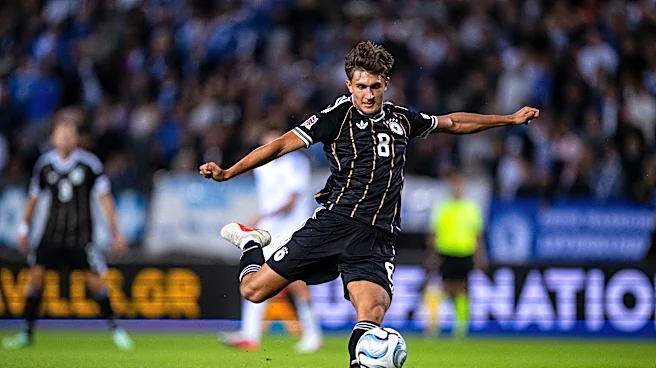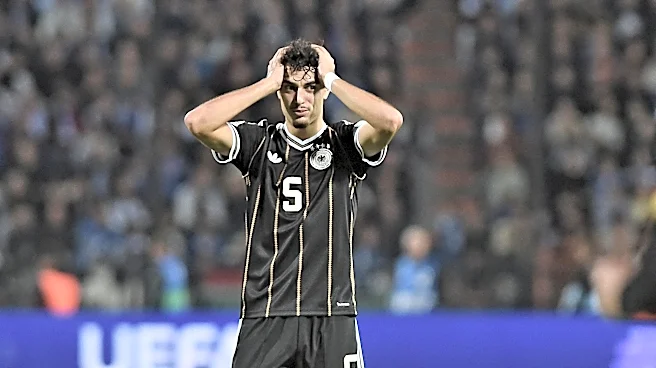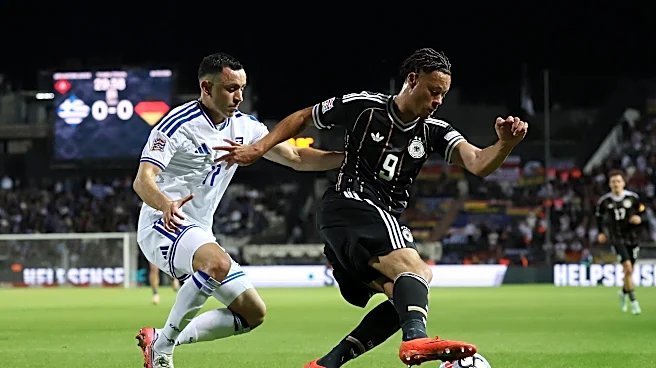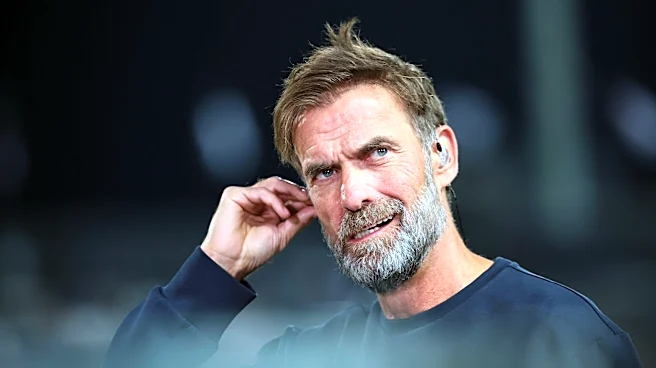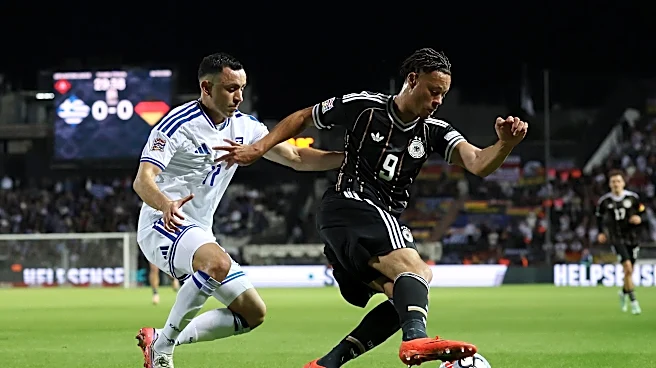

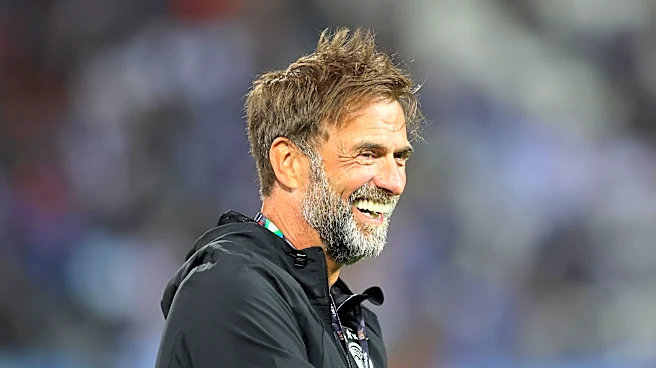
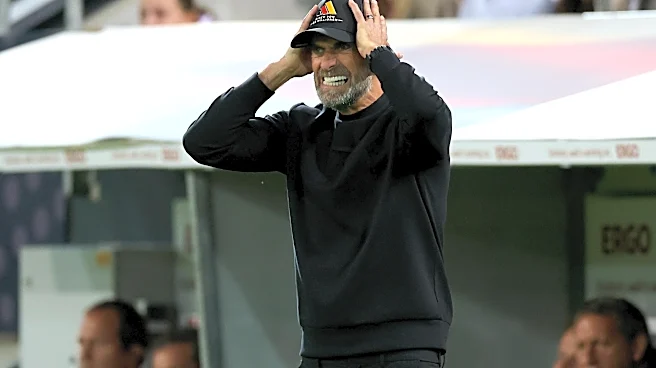
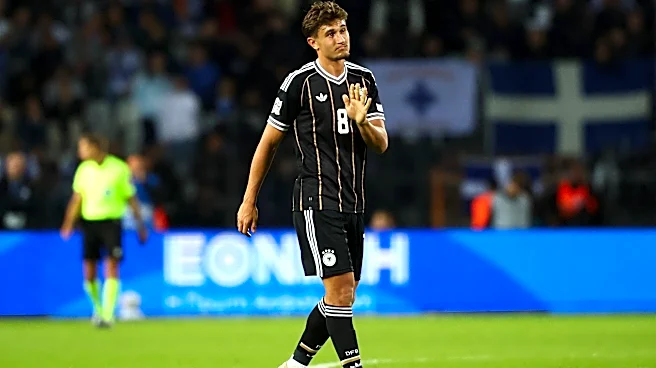
It was an international break to remember. Jürgen Klopp’s big experiment was highly criticized, but at the same time, it paid off in finding diamonds in the rough. While the results weren’t great, with Germany winning just one game over four matches, there were some great takeaways, and the future once again looks bright for the German national team.
This starting XI is heavily based on the performance principle from the players we saw succeed over the September international break, alongside some
of the most promising talents who were unable to appear in this
Left Wing: Derry Scherhant
Kai Havertz still feels like the best current option at striker for the time being. Nick Woltemade showed promise in his ability to fit in Klopp’s system, but his current form let him down. As for Jonathan Burkardt, he simply doesn’t seem up for the challenge of the national team. Denis Undav is still an intriguing option and without a doubt could take Havertz’s spot, but he might have some work to do.
Nicolò Tresoldi has been incredibly impressive with the U-21s, but he has yet to decide on which national team he will represent at the senior level. It is likely that Tresoldi won’t make a decision until the new year, but that will be a big one.
Striker: Kai Havertz
Kai Havertz still feels like the best current option at striker for the time being. Nick Woltemade showed promise in his ability to fit in Klopp’s system, but his current form let him down. As for Jonathan Burkardt, he simply doesn’t seem up for the challenge of the national team. Denis Undav is still an intriguing option and without a doubt could take Havertz’s spot, but he might have some work to do.
Nicolò Tresoldi has been incredibly impressive with the U21s, but he has yet to decide on which national team he will represent at the senior level. It is likely that Tresoldi won’t make a decision until the new year, but that will be a big one.
Right Wing: Brajan Gruda
This one might surprise many, but Brajan Gruda feels like one of the players who can make a big impact in Klopp’s system. Gruda is a dynamic attacker and has the potential to interplay with Wirtz at the 10, creating a threat in multiple different attacking lanes.
It wouldn’t be surprising to see Adeyemi given another chance, but Gruda remains an intriguing question mark.
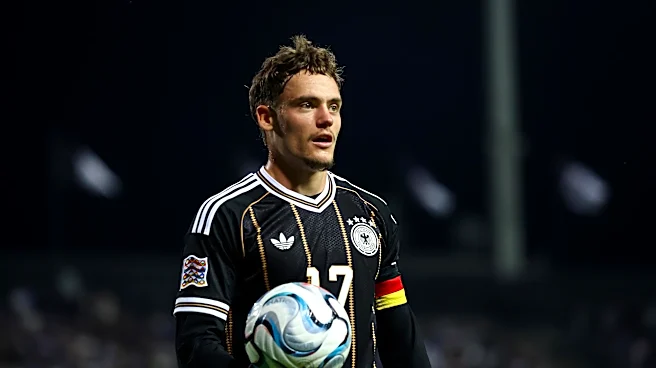
Attacking Midfield: Florian Wirtz
Perhaps the easiest choice of the bunch. Florian Wirtz is likely Germany’s best player, despite a lack of form with his club, and Germany is at its best when Wirtz is doing his magic. It is unthinkable to reserve Wirtz to a bench role based on his level of creativity and dribbling that unlocks an offense that seems otherwise stuck.
Midfield Pivot: Tom Bischof — Aleksander Pavlović
Perhaps the biggest winners of the international break were Bayern Munich’s young stars Pavlović and Bischof, who showed amazing chemistry together in midfield. The team simply worked better with this midfield, and the result was pure magic in the two matches they played.
Joshua Kimmich, Felix Nmecha, and Angelo Stiller all still have plenty to offer, but if Bischof and Pavlović can continue to play like this together, it would be unthinkable to change things up.
Left back: Nathaniel Brown
Despite a lack of a big impression over the international break, the Bayern Munich newcomer is incredibly talented and is a highly dynamic player, as seen already with his time under Vincent Kompany. David Raum and Maximilian Mittelstädt are both solid options, but they don’t have the same youth and potential that Brown offers in the long run.
Brown is already operating at a higher level and can potentially own this position for the next decade.
Centre-backs: Nico Schlotterbeck — Malick Thiaw
It would be hard to find a single fan who will disagree that Nico Schlotterbeck should start every match for Germany at this point. He is the clear favorite as a left-footed centre-back and will likely retain that position for the next few tournaments.
The more intriguing option remains the right centre-back role, and Jonathan Tah hasn’t exactly had a flying start to the season. Tah is deeply experienced, especially considering how much youth is in this squad, but after a look at the options over this window, Malick Thiaw made the biggest impression.
Yan Bisseck was also another great performer, and alongside newcomer Finn Jeltsch, it feels like these will be the guys in the backline for years to come. Tah and Anton might be looking at their last campaigns with the national team as they continue to age.
Right back: Philipp Treu
One of the biggest question marks before the international break was who was going to step up as the next right-back as Joshua Kimmich was finally being moved back into midfield. Surprisingly, we now have a very definitive answer as SC Freiburg’s Philipp Treu absolutely smashed his role in the opportunity, while Josha Vagnoman was poor once again.
Makes you think why Julian Nagelsmann didn’t call him up in the past summer and how seriously he took that job.
Goalkeeper: Jonas Urbig
This is one of the tougher decisions, but one that feels like the right one to make. While Marc-André ter Stegen made a great impression with some world-class saves despite some questionable ball distribution, his age and quality remain too big of a factor to build around—especially with a restart being the perfect opportunity to let go of the older veterans.
Urbig, on the other hand, was great in his two appearances, and it was refreshing to see Germany record consecutive clean sheets in what feels like ages. Urbig is the man of the future, no question about it.
Do you agree with these picks? Let us know in the comments!
Join the conversation!
Sign up for a user account and get:
- New, improved notifications system!
- Fewer ads
- Create community posts
- Comment on articles, community posts
- Rec comments, community posts