



It is now mid-January, and the WNBA offseason is well underway.
Teams have released hype videos for their regular-season schedules, and Commissioner Cathy Engelbert issued a statement celebrating the unofficial start of the league’s 30th season:
As we prepare to tip off the WNBA’s historic 30th season, this schedule reflects both how far the league has come and the momentum that continues to drive us forward.
From welcoming two new organizations in Toronto and Portland, to honoring our history with
marquee matchups that connect the league’s first game to today’s stars, the 2026 season will celebrate the WNBA’s past, present, and future. With a record number of games, growing global reach, and unprecedented momentum, this milestone season will help define the next chapter of the WNBA.
On the surface, this is business as usual. But underneath, it’s anything but.
Currently, the league is still without a new collective bargaining agreement (CBA), as the league and players union failed to reach a new deal before the expiration of the most recent, extended deadline. The lack of a CBA means the league and union have entered a “status quo” period, in which both sides follow the previous CBA as negotiations for a new one continue.
This benefits one side far more than the other.
You see, there are plenty of points of disagreement between the league and union that have kept a new CBA from being agreed to, but the main contention between the two sides is the structure of a revenue-sharing system. As ESPN has reported, the distance between the sides on revenue sharing is reportedly wide, with the WNBA proposing 50 percent of net revenue and players proposing 30 percent of gross revenue.
The argument for the players union is simple: They want 30 percent of gross and to be paid first, before any league expenses are accounted for, since without them there is no product. The WNBA understands that, but they have to pay all the operational costs and think a split of what’s actually net revenue, meaning after expenses are accounted for, is what’s fair.
It would be one thing if we were having this discussion around Oct. 31, when the CBA was originally up. But it’s been extension after extension, and deadline after deadline. From the outside looking in, not much has changed, and the percentages are still far apart.
So far, the status quo is good for the league. Teams are, as much as possible, planning for the season ahead, and whenever the league has proposed an extension or moratorium, the players union has agreed. Sure, the WNBPA members voted to authorize the executive committee to call a strike if necessary, but that was back on Dec. 18. Did a strike happen? No. Have talks continued? Yes.
As the players union is the party that is much more unsatisfied with the previous deal, the league holds the power. So, why would the WNBA fold and give into most of the players’ demands?
If the WNBA brass stays patient and lets time keep ticking toward the start of the regular season, they are likely to get what they want, as players eventually will fold and sign a deal that is closer to the league’s preferences. After all, the league isn’t asking for a raise or other big changes.
The league may hold the power, but the players still have agency.
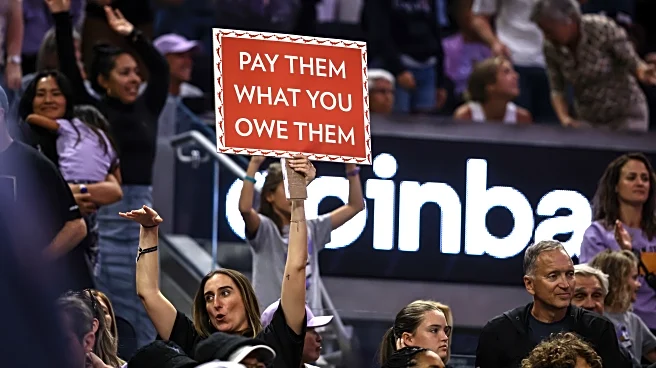
It’s time for them to use it and do the tough thing and put a halt to everything with a strike. Make things uncomfortable for the league, garner as much national attention as possible and rally fans to join them in an attempt to pay them what they are worth.
This is the tough road. It’s the one that will be a PR battle as much as anything. But based on how things are, or are not, progressing, it increasingly seems like a strike is the only route for players to get the salary numbers, revenue split and other benefits they are fighting for.
Given their previous actions, it seems the WNBPA isn’t willing to press their red button.
That’s understandable, but in life, you only get what you are willing to risk. If the union is unwilling to initiate a work stoppage, then they’ll only get the best offer the league is willing to give them. It’ll likely be a better deal than what they’ve had and will certainly be a step in the right direction. But it won’t be the number they want, or the one they deserve.
Only a strike can offer them the chance to secure a revenue sharing model that sufficiently values their labor.
So the only question that needs to be answered is this: Will the WNBPA lead by example and strike until they are paid what they deserve?
The ball is in their court.