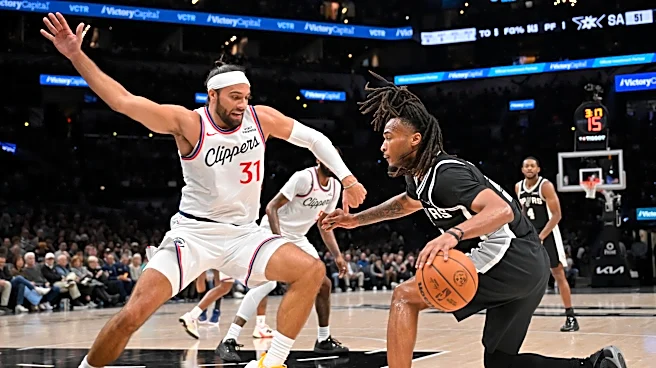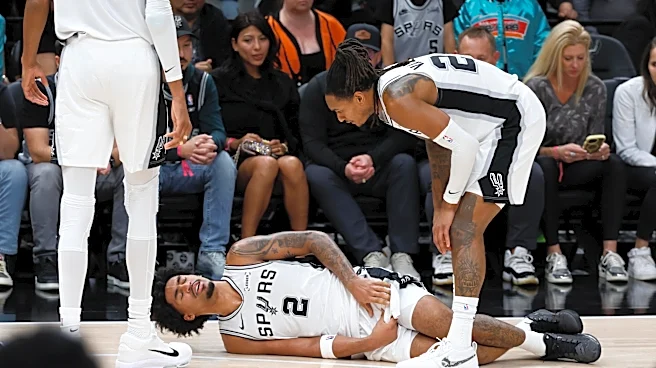


As the season heads into the week of Thanksgiving, the San Antonio Spurs sit firmly in the upper echelon of league rankings. With the second-best record (13-3), behind only the Los Angeles Lakers, they rank 4th in offensive rating (118.2) and third in defensive rating (107.0). With that, the Spurs are the only club in the top five in both offensive and defensive rating, leading to their league-leading overall net rating (11.3).
This sticks with the trend of last season, where they finished third in all
categories. San Antonio is firmly established as a western powerhouse once more. What is interesting, however, is how they are doing it.
While they maintain a strong offensive rating, they are doing things their own way. In an era dominated by jump shooting, pace, and efficiency, they don’t shoot particularly well, play particularly fast, or all that efficiently. Their 53.4 percent effective field goal percentage sits at right at about the middle of the NBA, and they only average 98.7 possessions per game, well below league average. Plus, they don’t get to the free-throw line very often, 25.1 attempts per contest, also about league average. So where is all this offensive production coming from?
Offense
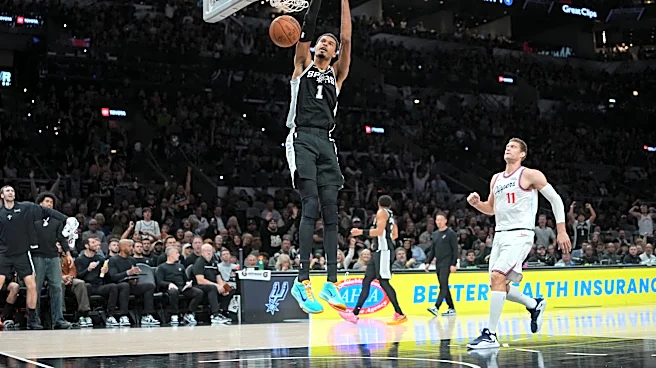
For starters, the Spurs get to and finish at the rim, the most efficient spot on the floor. 34.9 percent of attempts come at the basket, fifth in the league, and they convert at 70.5 percent, third in the league (sans garbage time per dunksandthrees.com). And while this team doesn’t play at a particularly fast pace on paper, they are highly efficient at playing in transition. 18.5 percent of the offensive possessions start with a fast break, and they score 136.5 points per 100 transition possessions, overall adding a league-best 5.7 points per 100 possessions with transition play. Overall, they play at a slow pace, but they make their fast breaks work for them.
Playing at a slow pace means they play in the half-court a good deal. And while the Spurs don’t generate a ton of points per opportunity in the half-court (99.2 points per 100), they are exceptionally efficient at scoring off second chance opportunities. They sit at about league average in half-court offensive rebound percentage; however, they are very good at both generating opportunities (2nd in the league) and points (5th in the league) off of missed field goals and live free-throws. All of this comes together for an efficient 1.2 points per half-court possession.
So while their overall half-court offense isn’t exceptional at first glance, this team has found ways to make up for it with efficient transition play and second-chance points. It’s a bit of the best of both worlds; they don’t play fast a ton but are very good at it when they do. The rest of the time, they are set up to make the most of each trip down the floor.
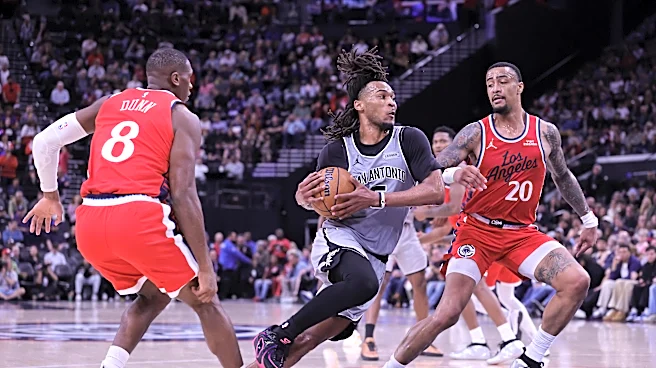
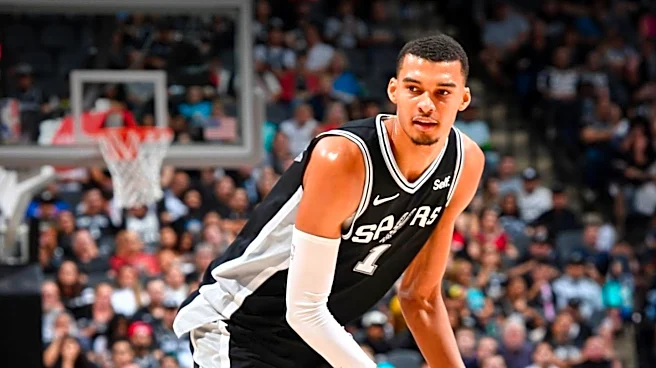
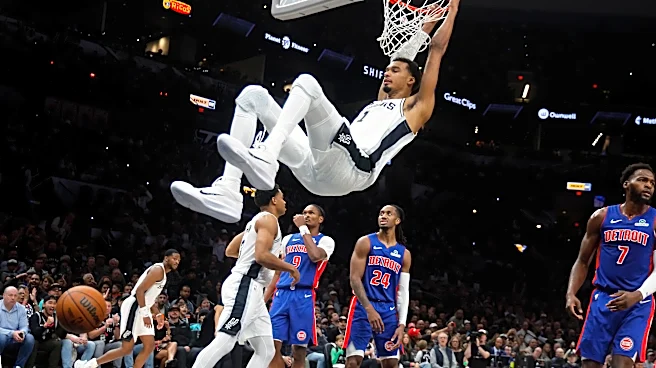
Of course, this is because of the personnel. Victor Wembanyama being the tallest and most agile big in the league means he is a looming presence as a lob and put-back threat. The three point-guards he plays with can all handle the ball and slash to the basket, even though they don’t shoot particularly well. Combine this with another player who can shoot from deep, such as Devin Vassell or Julian Champagnie, and the result is a top-five offense.
Defense
The offense is in rhythm, but that is only half the game. What about defense?
Naturally, with the reigning Defensive Player of the Year Victor Wembanyama, it’s locked in. As mentioned, this team plays slow. They keep possessions low and don’t let teams get in transition. Only 13 percent of opponents’ play frequency comes in fast breaks, the lowest in the league.
Fewer possessions means they are forcing opposing offenses to face their set defense a good majority of the time. It’s where they excel, limiting teams to 1.07 points per possession. The Spurs limit putbacks and do not allow teams to get to the rim or launch from long distance, forcing highly inefficient mid-range shots. Where they will need to be careful is with efficient mid-range scorers. But that is where the dynamic athleticism of a Stephon Castle or Dylan Harper comes in to take on the assignment man-to-man.
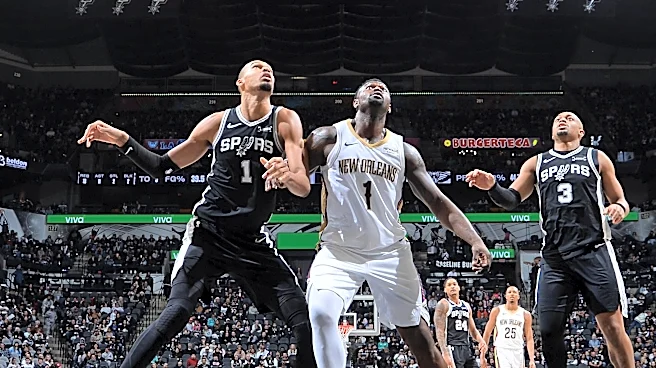
Of course, the Spurs can make this work because of Wembanyama. Place the best defender in the world at the basket, and it allows their guards and wings to chase shooters off the line and be more aggressive on the perimeter. They don’t need to show as much help on drives and can allow offenses to attack their closeouts because Wembanyama is holding down the paint.
What the Spurs have found is some sort of happy medium between scoring off of second chances and still getting back on defense. They don’t sell out on the offensive glass but still grab them.
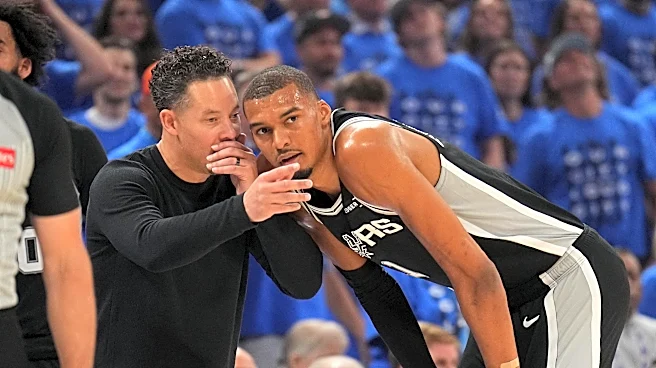
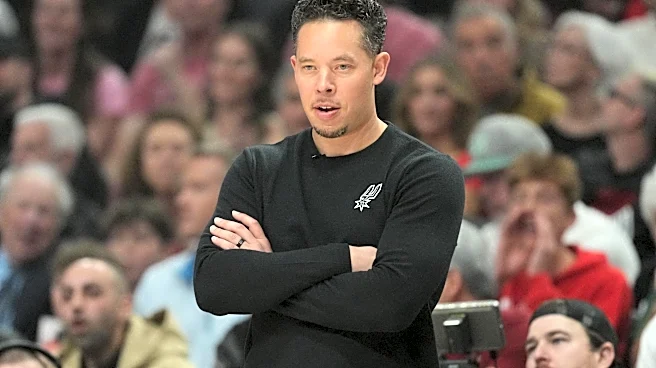
This team has found something that works for them. The overall grand scheme is working together, which has led them to be league leaders on both sides of the ball. Yes, Victor Wembanyama is amazing, but coach Mitch Johnson and the whole team have continued to build around him and find their groove