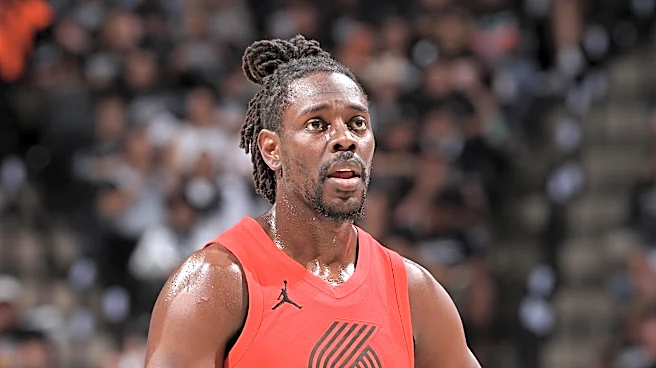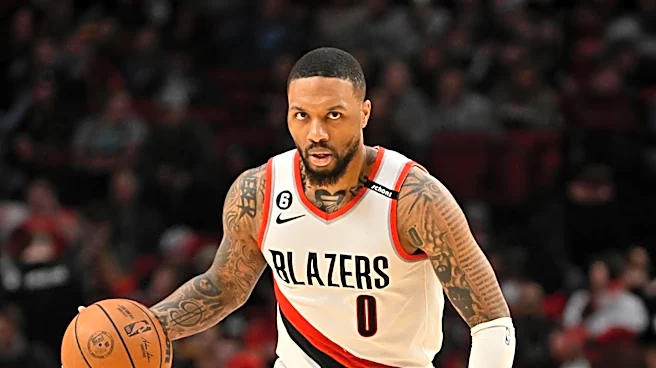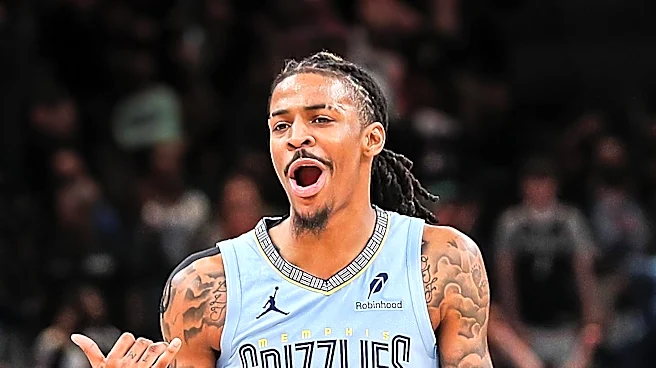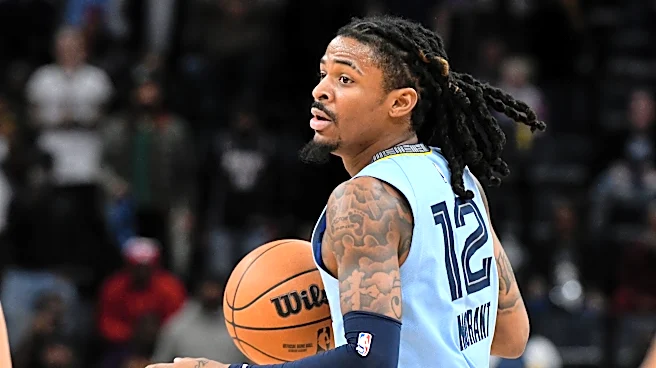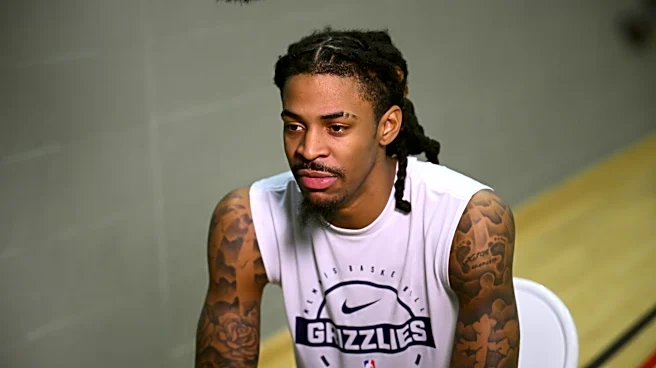

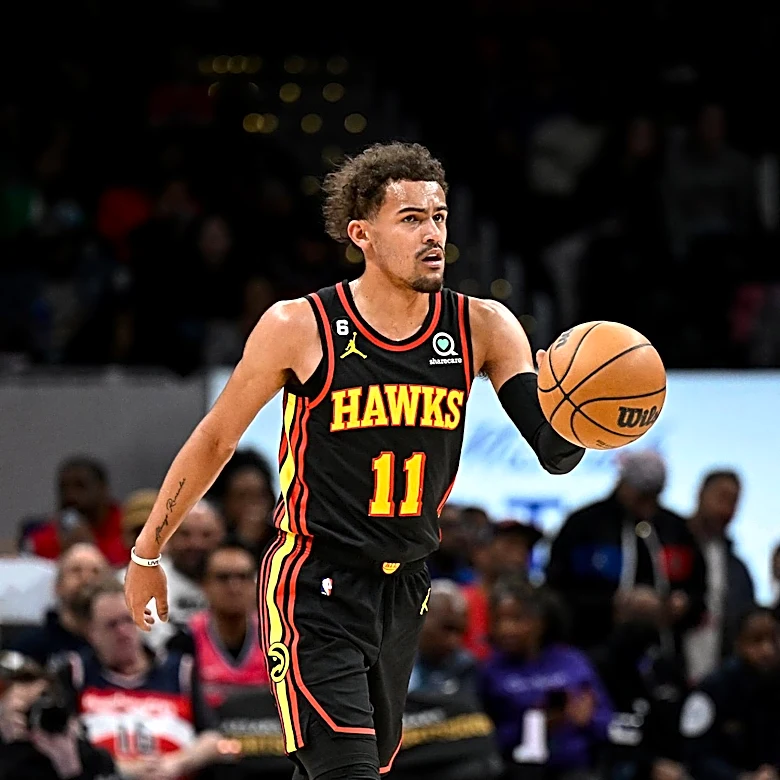

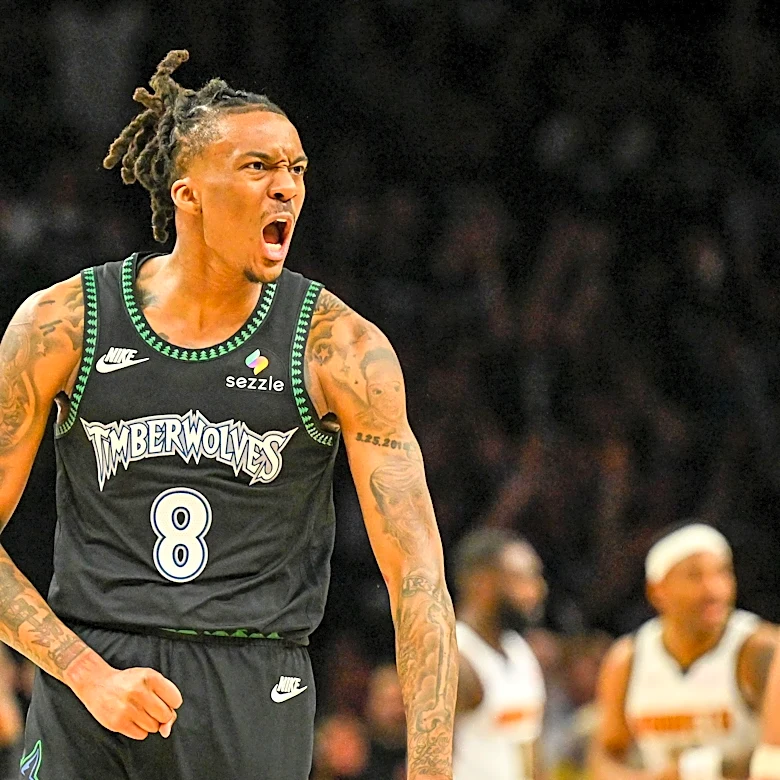
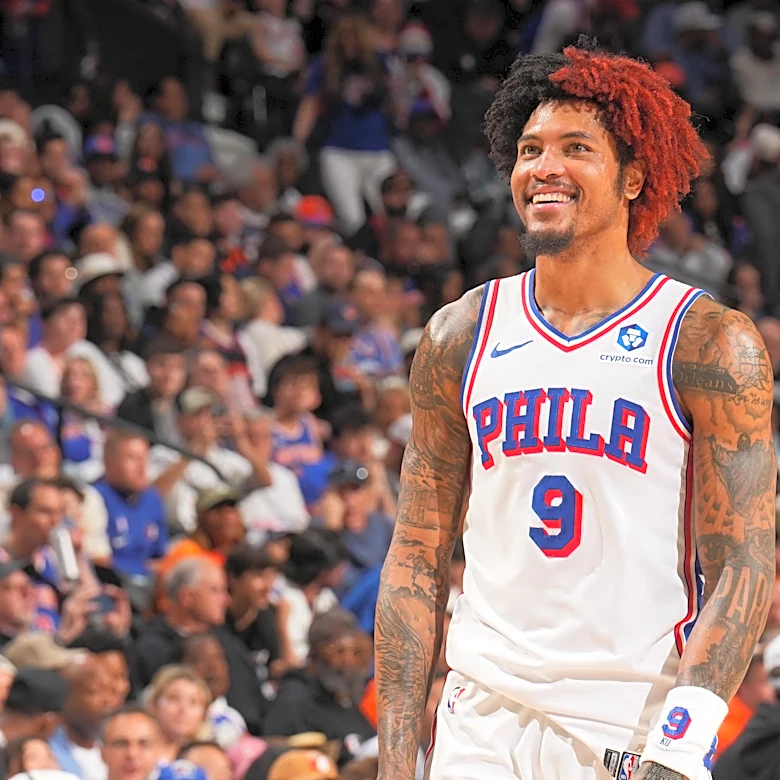
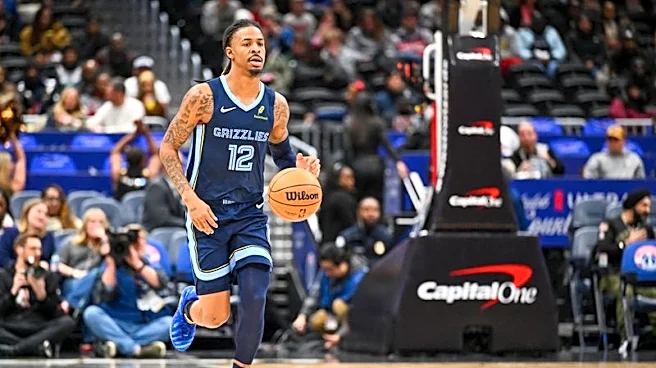
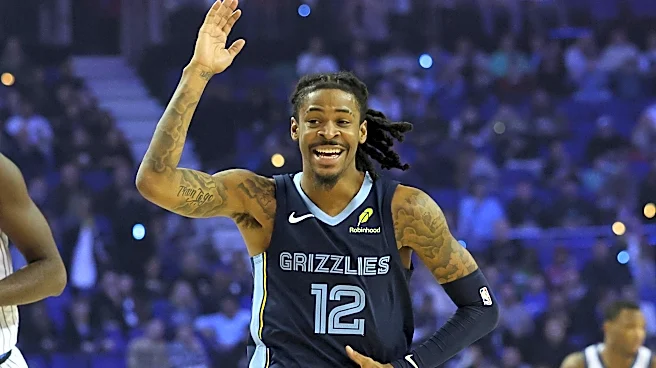


The Portland Trail Blazers have received mixed reviews for yesterday’s trade which sent Jerami Grant and Kris Murray to the Memphis Grizzlies in exchange for point guard Ja Morant. A few people have been enthusiastic. Most have expressed some level of puzzlement, seeing as how the Blazers now have four point guards meriting minutes and the ball. (Morant, Damian Lillard, Scoot Henderson, and Jrue Holiday)
Coach David Thorpe of TrueHoop takes neither of those positions. To say he is critical of the move
would be an understatement. The latest post on the TrueHoop substack details why.
Thorpe starts with a simple premise: defense is irreplaceable. He uses the 2026 NBA Playoffs as an example, including and especially the teams who rose to the top of the league. One bad defender can be absorbed or hidden. Two bad defenders will get exploited:
There doesn’t seem to be a way to contend with two poor defenders on the floor at the same time.
Which is why it’s almost impossible to imagine the Blazers will be any good with Damian Lillard and Ja Morant sharing the court.
Thorpe continues with the next-level effect on Blazers center Donovan Clingan, who will be expected to compensate for any defensive shortcomings among the guards.
If the Blazers are really going to have those two guys on the court, Donovan is going to run himself ragged protecting the rim with the free flow of driving guys who have no problem getting past the point of attack.
One of the problems with guys that have a hot motor defensively at the center is they’re overeager to help. That problem can be mitigated when they’re just not needed as much to help. Here’s where we’ll see how dedicated Ja Morant and Damian Lillard are to winning. If they decide to really compete defensively, they can do a lot to make life easier for Clingan.
Thorpe rehearses the duties a defensive-minded center has to fulfill, then suggests that the only way to keep a player like Clingan on the floor and sane is for the guards to play so hard that the center’s “to-do” list shrinks. (Making sure he doesn’t need to help on the perimeter, for instance, by watching their men and closing to help on shooters instead of making the seven-footer do it.) He wonders whether Lillard and Morant have the defensive vision and the season-long commitment to make that happen.
The problem gets worse, Thorpe suggests, because opposing teams with bigger, quicker guards are going to scheme against the Lillard-Morant duo:
They’ll suffer against almost every team. I mean, they’ll be fine against the Kings when Darius Acuff Jr. is still a rookie. But there aren’t many teams like that.
Those guys are small. Big wings can bully them, the league’s many talented isolation scorers too. They’ll both have a very tough time doing anything against them–which means other people have to be triggered to help early.
And that opens another vulnerability: teams that run a lot of actions. The way the Pacers stack actions, the way the Heat aren’t setting many ball screens, just a lot of movement and cutting. More teams are starting to do that now. It means that, as a defender, you can’t stand still. You’re always in movement and you’re always having to make decisions. That’s hard on players like Dame and Ja who don’t see the defensive floor so well. They won’t have much time to process decisions. You always have to be head on a swivel, feet ready to move all the time. They’re going to be exposed.
Thorpe suggests that Scoot Henderson might be used as a pivot point in the rotation, allowing the Blazers to stagger Lillard and Morant instead of playing them together. But then he returns to the plight of teammates, lamenting the possible effect on Deni Avdija, the shining example of today’s successful player rather than the model of a decade ago.
Thorpe also points out that the person who is tasked with making this all work–extracting commitment and performance on the defensive end out of guards who haven’t ever demonstrated same, making a rotation work, keeping players reasonably happy–is a head coach on a single-year contract. This stands in sharp contrast to other teams, like the Miami Heat with LeBron James, who made multi-star lineups work.
Hypothetically, if Damian Lillard and his agent don’t like Micah Nori yelling about defense, by midseason, Lillard can just go to Tom Dundon and say “who cares if you fire him halfway through the year, hire another guy for a million bucks and you’re still expending far fewer resources for that position than anyone in the league has for a decade or more.” It’s maybe twenty years since someone’s been paid so little.
At your work, why would you listen to a CEO who’s making not just less money than you, but has less years in their contract than yours? Micah Nori is in a battle for control, and he has no arms. They cut his arms off and claimed it was a harmless act of good business.
Micah Nori might be thinking right now: “How am I going to get Ja Morant and Dame Lillard to care about defense?” And there’s a world where Nori says, “You know what, I’m not going to fight it, I’m going to just try to get Ja and Dame on my side, so I can get a longer deal. I’ve got to get my foot in the door, I can’t lose this. Whatever you want to do, guys, I’m never going to talk about defense. Let’s just outscore people and have fun, and they’ll come up with some strategies that tries to hide them as best as they can.
Finally, Thorpe points out that the Blazers have been here before with Lillard and former backcourt mate C.J. McCollum in the 2010’s. Ultimately that pairing wasn’t successful, getting stalled in the playoffs almost every year.
On the upside, Thorpe gives the Blazers more thought and ink than any national writer out there has. (It’s a habit at TrueHoop, which has plenty of smart writing on their substack.) On the downside…ouch?
What do you think of Thorpe’s critiques? Share in the comments section below.