



A sequence late in the first quarter of Game 4 illuminated how far Celtics wing Jordan Walsh has come and how much further he can go.
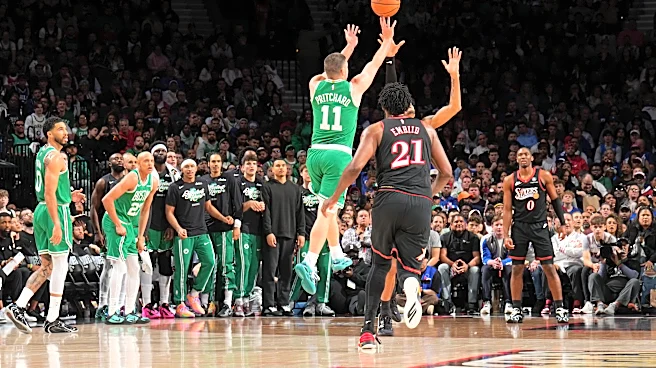
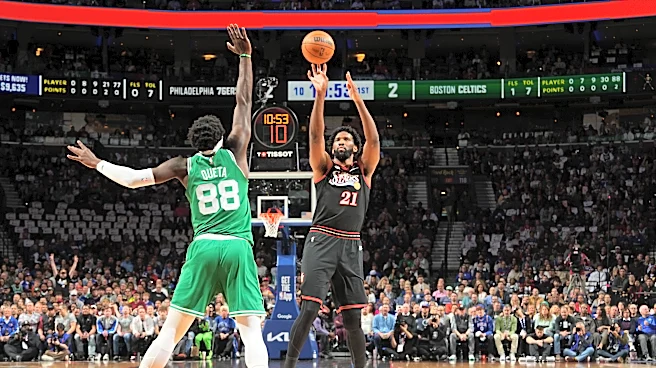
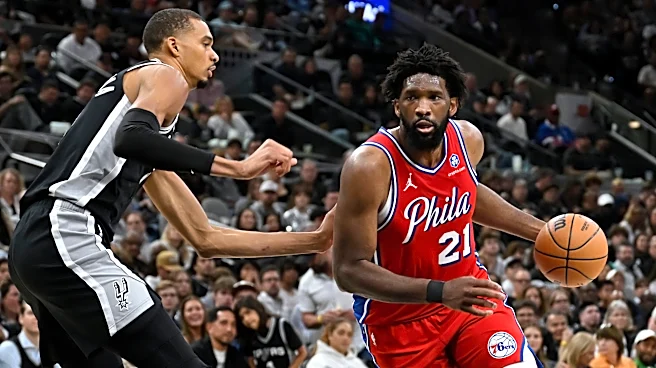
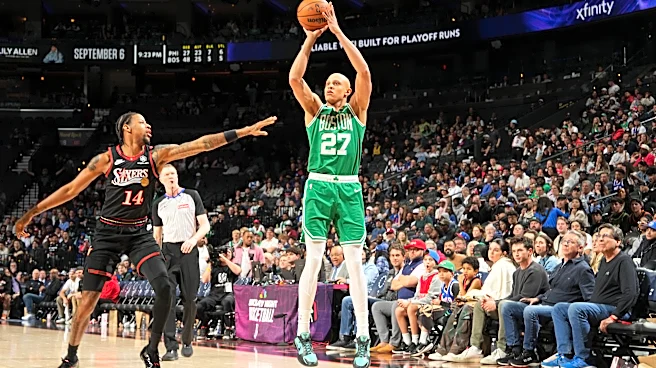
On one end, Walsh fought around a Joel Embiid screen and drew an offensive foul. On the other, he spaced the floor perfectly and drilled a 3-pointer with no hesitation. The 76ers had a chance to cut it to single digits, but instead, Walsh helped the Celtics extend the lead to 16 points.
Those were
Walsh’s only points of the night in Boston’s 128-96 victory, yet he had his fingerprints all over the action whenever he was on the floor. He also had a phenomenal hustle offensive rebound, a particularly masterful defensive possession against Tyrese Maxey and a consistent presence on both ends.
Walsh held Maxey to one bucket on 13 possessions Sunday night after limiting him to four points in 16 possessions in Game 3. He was plus-14 in Game 1, a team-high plus-18 in Game 3 and plus-13 in Game 4.
He’s averaging 2 points per game and shooting 25 percent from the field in 12.3 minutes of action a night, but his contributions go far beyond the box score. Watching Walsh now, it’s hard not to marvel at how far he’s come.
No one ever questioned the vision with Walsh. He’s 6 feet, 6 inches, has long arms, moves well for his size, is springy and can guard 1 through 5 as needed. People did, however, question his decision making and feel for the game at times.
Part of it was just because he was so young (still is, for that matter), but at the same time, it felt like he wasn’t necessarily maximizing his natural ability. Those doubts have now disappeared.
Walsh used to worry so much about trying to prove he could shoot that his defense suffered as a result. Now, he knows his role and prioritizes defense, and his offense and shooting organically open up as a result. That’s a combination of coaching and individual growth, and he deserves a lot of credit for his part of the equation.
Let’s go back to the first quarter Sunday night. Look at the way he swerves around the Andre Drummond screen and recovers. Look at the way he repositions himself to make Maxey think twice before firing away. Look at the way he shuffles his feet, guards his yard and forces one of the best players in the league into a contested, off-balance shot that results in an airball.
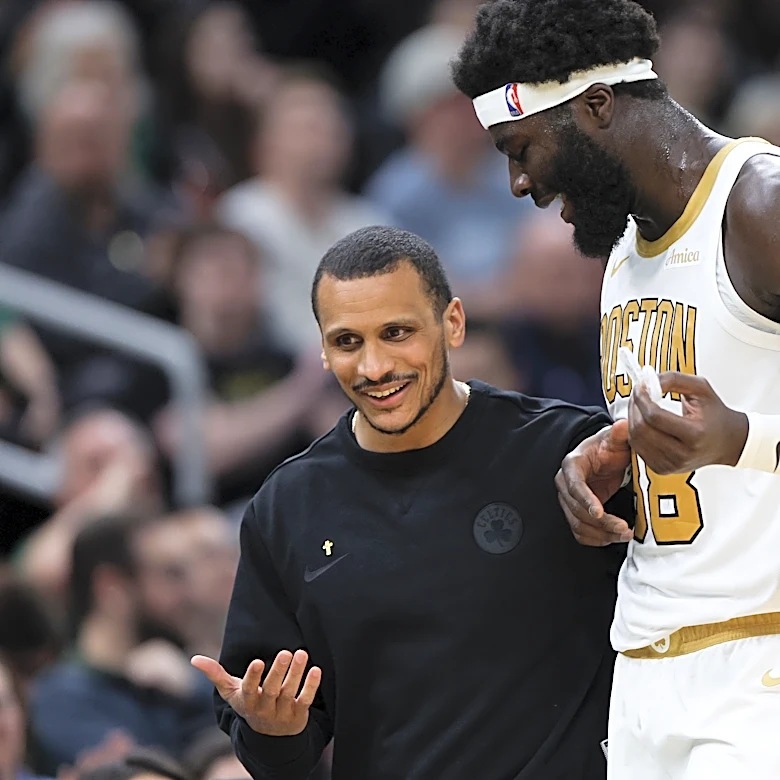
Sometimes, all it takes to disrupt an opponent is putting a scrappy and athletic wing on a ball-dominant guard. Walsh made Maxey work for everything, which opened up opportunities for Payton Pritchard and Jayson Tatum on the other end. It says a lot that head coach Joe Mazzulla trusts him to guard Maxey and that Walsh meets the challenge with enthusiasm and assuredness.
Next, look at this rebound. Walsh anticipates where the ball is going, splits two defenders and comes away with it in traffic. If you want to earn playing time as a role player at any level, watch these clips and try to emulate them. Part of it is athletic ability, of course, but genuine all-out guts is also a factor.
Finally, with the 3-pointer, it’s worth noting that Walsh let it fly without hesitation. Earlier in his career, he might have thought about it, taken a dribble or two and aimed his shot. Now, he’s confident, knows he belongs and isn’t afraid to let it fly.
Walsh has come so far early in his career, yet the most remarkable part is that he still has so much room to grow. There really aren’t many players in the league with his unique combination of skills, and he’s really blossomed into an ideal eighth or ninth man on a championship-caliber team.
Don’t be surprised if this is just the beginning for one of the Celtics’ most promising young players.