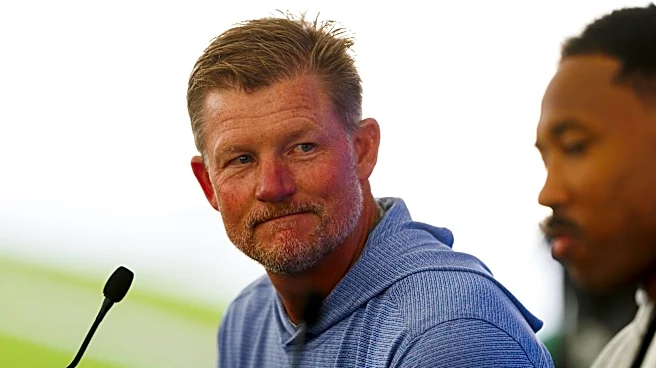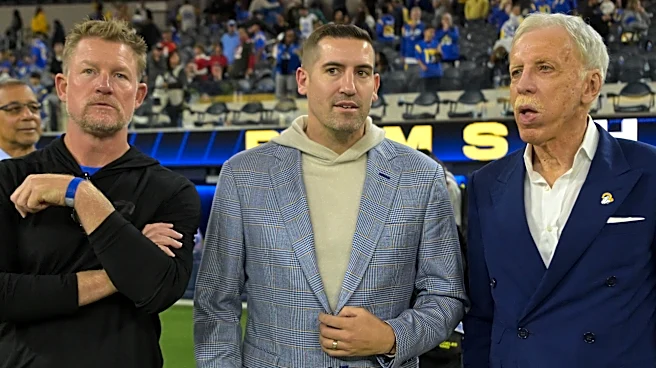






The Los Angeles Rams enter the 2026 offseason in an enviable financial position. According to OverTheCap, the Rams possess the seventh-best salary cap restructure potential in the NFL, with approximately $62.7 million available through contract restructures. On the surface, that kind of flexibility appears to provide general manager Les Snead with plenty of options to create immediate cap space and pursue roster upgrades.
However, cap restructures are not free money, and that’s where the Rams must exercise extreme caution.
Restructuring contracts allows teams to convert portions of a player’s base salary into signing bonus money, spreading the cap hit over future years. The immediate result is cap relief in the present, but the downside is that teams are effectively pushing debt into future seasons. While restructures can be useful in specific circumstances, they also create a larger financial burden down the road. Eventually, the bill comes due.
For the Rams, preserving future flexibility may be far more valuable than maximizing short-term cap space.
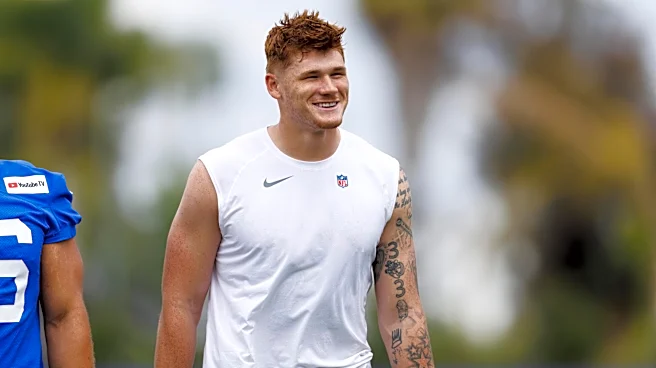
The organization has several key extension candidates who could require significant financial commitments over the next few years. Right guard Kevin Dotson has become one of the league’s better interior offensive linemen and could be in line for another lucrative contract extension. Steve Avila remains a foundational piece of the offensive line, while defensive tackle Kobie Turner is rapidly developing into one of the NFL’s premier young defensive players. Both could command substantial deals as they continue to establish themselves.
Then there is wide receiver Puka Nacua. Assuming Nacua continues his trajectory as one of the league’s top offensive playmakers, his next contract could reset expectations for elite receivers. Any future planning by the Rams must account for the possibility of committing significant cap resources to keeping him in Los Angeles for the long term.
Even Warren McClendon could emerge as a player worthy of a new deal if he continues to develop into a reliable starter on the offensive line. Quality offensive linemen are increasingly difficult to find, making retention a priority when teams identify long-term answers.
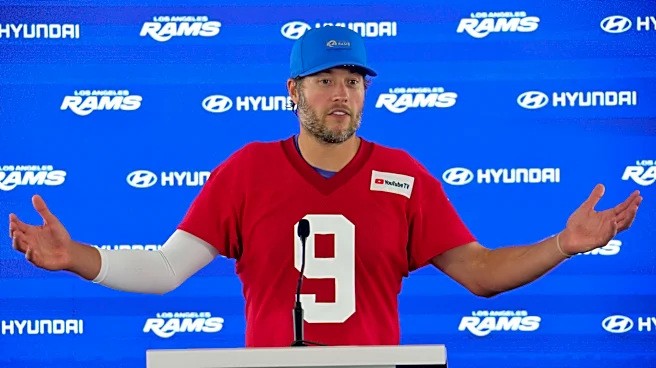
The Rams also cannot completely rule out future quarterback expenses. Matthew Stafford will be entering his age-40 season in 2028, but if he continues to play at a high level and expresses a desire to keep his career going, the Rams may need additional financial flexibility to accommodate another contract adjustment or extension. While that scenario remains several years away, prudent cap management requires accounting for multiple possibilities.
That is why the Rams should resist the temptation to view their $62.7 million in restructure potential as spending money waiting to be unlocked. The ability to create cap space does not necessarily mean it should be used. Every dollar pushed into future years increases the difficulty of retaining core players and maintaining roster flexibility.
If the Rams decide to utilize restructures, the circumstances should be extraordinary. For example, if Aaron Donald unexpectedly came out of retirement and wanted to return for a championship run, creating additional cap room would be understandable. Likewise, if the team needed to pursue a proven veteran such as Taylor Decker to stabilize left tackle following a lengthy suspension for Alaric Jackson, a carefully targeted restructure could make sense.
Otherwise, restraint may be the smarter path.
The Rams may rank seventh in the NFL in restructure flexibility, but flexibility is most valuable when it remains available. Rather than aggressively borrowing against future cap space, Los Angeles would be wise to limit itself to one or two restructures at most and only under the right circumstances. With several cornerstone players approaching extension windows and uncertainty surrounding future roster needs, protecting long-term financial health should remain the organization’s top priority.