



If you want to understand why this off-season feels so traumatic for fanbases across the league, stop staring at salary caps and start looking at ownership. Particularly new owners.
We are only three days into free agency — which, realistically, is a lifetime in the modern NBA. But the landscape has already shifted and ironically enough, the three franchises enduring the most radical structural resets right now are Boston, Los Angeles, and Portland.
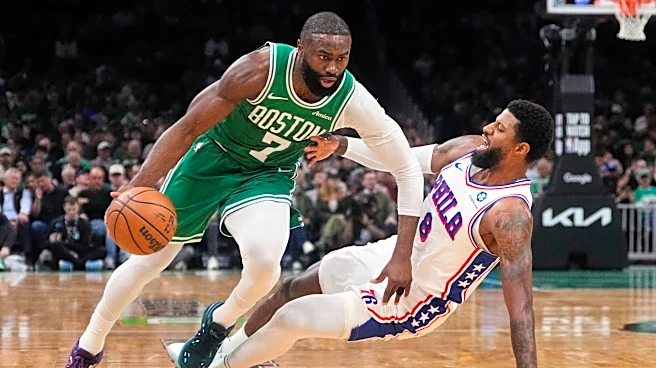
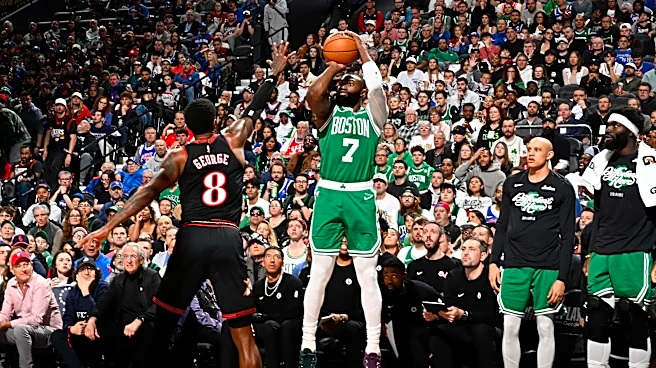
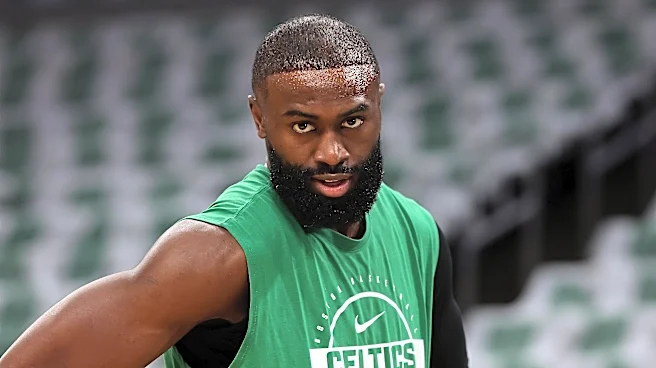
Boston traded Jaylen Brown for a 36-year-old Paul
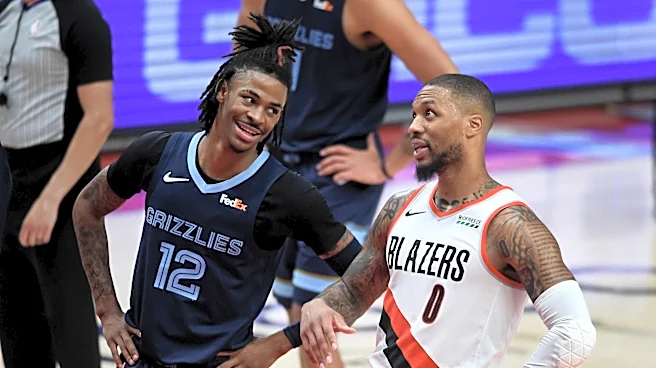
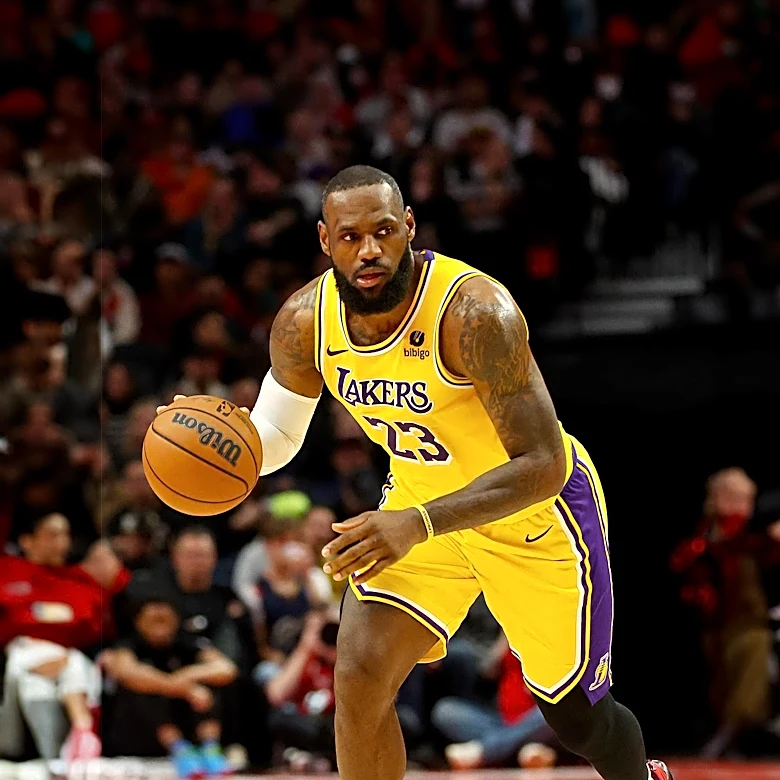
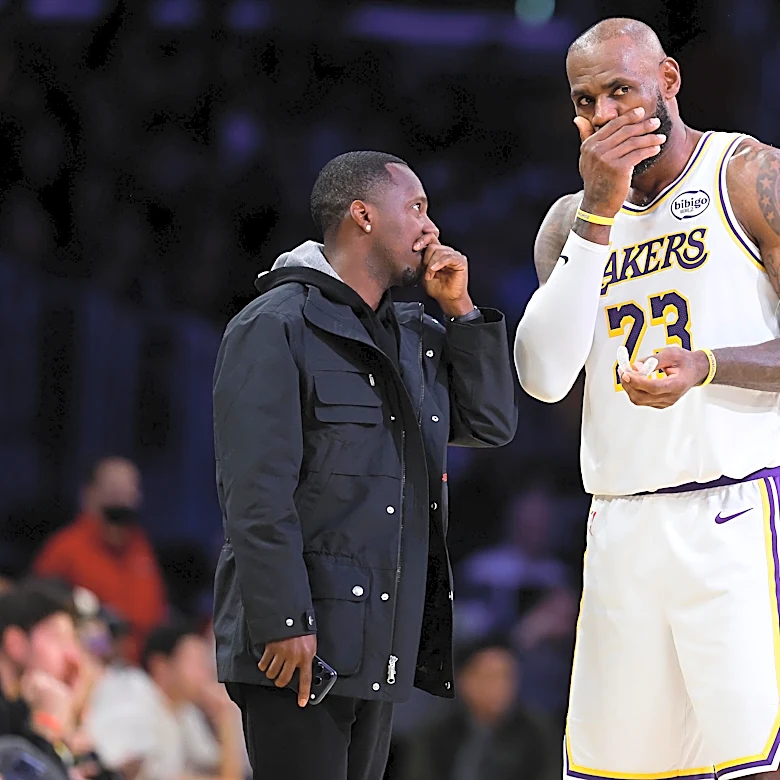
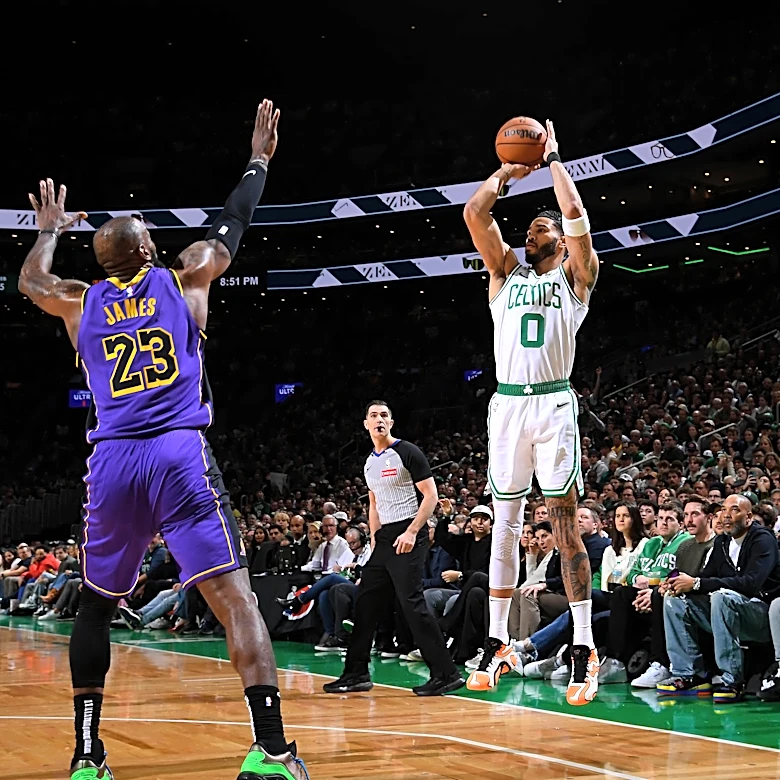
George and some picks. Los Angeles and LeBron James are mutually parting ways after eight seasons. Portland acquired Ja Morant, which is a massive talent splash on paper, but their off-season has been entirely defined by institutional friction.
It’s not so much a failure due to bad front office execution per se. They are changing dramatically, as it appears, because they all just transitioned into the hands of institutional corporate capital. Look no further than Dallas in February. 2025, when Miriam Adelson and Patrick Dumont provided the blueprint for prioritizing calculated corporate management over legacy … and prioritized real estate development, a plan that ultimately went awry.
They shocked the league by trading away Luka Dončić for a package centered around Anthony Davis, who is no longer with the team. Neither is the general manager who executed the deal. Nor most of the front office.
Forget the days of new owners immediately throwing blank checks at superstars. Joe Tsai and before him Mikhail Prokhorov tried that in Brooklyn, Mat Ishbia tried it in Phoenix, and both watched it blow up.
The league has officially outgrown the local billionaire fan. Mark Cuban was a fan of the Mavericks and he’s no longer there. The Buss family legacy is engraved into the Lakers and they are no longer there. Paul Allen was a devoted Trail Blazers fan and called it a “dream come true” when he bought the team in 1988. Wyc Grousbeck was a local die-hard kid from Boston.
The ripple effects are felt across the league. While this flood of institutional capital might lure in massive business and drive franchise valuations into the stratosphere, it’s incredibly difficult for the everyday fan to process such dramatic losses in such a short period of time.
The ($) Shift
For decades, the NBA was run by people who treated franchises like highly expensive toys and/or legacy family businesses. Too many to name. Thus under the old model, if an owner had the cash and a championship window, they typically paid whatever it took to keep the band together. Winning a trophy was the ultimate liquidity event for their ego.
Perhaps Tsai, Ishbia and Marc Lore & Alex Rodriguez in Minnesota are the last of a dying breed.
The new collective bargaining agreement (CBA), specifically the implementation of the second apron, killed that behavior. Thus, for new owners, the second apron protected new corporate syndicates from having to spend past a pre-determined ceiling. Even old owners like James Dolan, on top of the world in New York City after winning a Championship, told fans that he would not dip into the second apron because it is “suicidal.”
1. Boston’s Bill
When Bill Chisholm’s group bought the Celtics for a record-shattering $6.1 billion, it wasn’t just a local guy writing a check. It was heavily backed by institutional private equity through Sixth Street Partners.
The on-court result? Trading away reigning Finals MVP Jaylen Brown to the 76ers for Paul George, two first-round picks and two second-round picks. To be fair, Brown’s name floated around when Grousbeck owned the team but a trade never actually took place for the homegrown star.
Brown is set to earn $140 million over the next two years. Alongside superstar Jayson Tatum, his contract immediately became a threat to a new owner looking at the financial side of things and not the heart. Two supermax contracts in the second apron is a catastrophic liability that paralyzes the corporate balance sheet.
No thanks.
2. No More Parties in L.A.
In LA, Mark Walter and Todd Boehly finalized a massive transaction that placed a $10 billion valuation on the Lakers, ending 46 years of Buss family control. LeBron’s relationship seemingly ended without much celebration nor sentimentality.
They triggered the first apron with the signing of Walker Kessler but they avoided the second apron by allowing LeBron to walk. He’s one of the greatest if not the greatest of all-time. Do we need to say anything more?
3. Portland’s Portfolio Efficiency
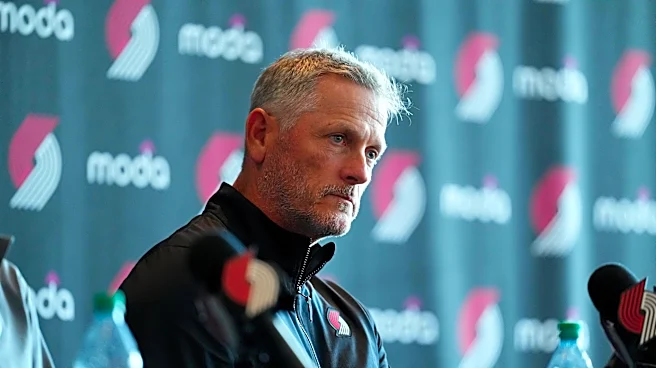
Where do we begin? Up in the Pacific Northwest, the Paul Allen estate finally moved on. They sold the Trail Blazers to a $4.25 billion syndicate led by Tom Dundon. Dundon is a portfolio operator who runs sports teams like lean enterprise businesses.
He’s made it clear that he isn’t here to be the city’s favorite billionaire neighbor. Nope. He’s optimizing an asset and leveraging local political infrastructure to protect his capital. That’s not unique but his braggadocio is.
Portland’s off-season has been a rollercoaster to say the least. Interim head coach Tiago Splitter was low-balled on offers which made him pack his bags for Chicago. The penny-pinching reached a bizarre climax when the front office replaced him by signing Micah Nori to an unprecedented, completely non-guaranteed coaching contract.
To be fair, they added a star in Ja Morant who will excite things for the fanbase. But he’s also a star who has been at the center of controversy over the past couple seasons. He’s joined by Damian Lillard who is 35 and coming back from injury is going to be questionable a lot of nights while younger players like Scoot Henderson take a backseat to those two. Continuity, culture, development and all they were building is out of the window… just like that.
New Reality
The narrative you see on social media is usually pretty simple: “This owner is cheap” if blame isn’t allocated towards a front office.
But the reality is a lot colder. The NBA isn’t a collection of sports teams run by eccentric billionaires chasing trophies for their cities anymore. Increasingly, it’s an asset class run by private equity firms and corporate syndicates designed to minimize risk and protect their investments … and divorced from civic responsibility.
No longer your billionaire fan or neighborhood friend. Maybe for old teams, but very few with the new.
When these massive entities buy in at valuations between $4 billion and $10 billion, their primary goal on Day 1 is structural stabilization, operational efficiency, and strict regulatory compliance with the league’s financial rules. The second apron gave the perfect excuse to do exactly what corporate managers do during a takeover: cut costs, shed long-term liabilities, and restructure the staff.
And it’s likely to get even more divorced from the cities it represents. Teams will likely soon have new partners new minority owners from sovereign wealth funds, huge vaults of cash built up by state actors from Norway to Singapore to the U.A.E. Dolan who is spinning off the Knicks from the rest of MSG has spoken openly in the past of selling a chunk of the reigning NBA champions to minority investors including said wealth funds. Hello, Abu Dhabi?
Tsai sold a piece of the Nets, Liberty and Barclays Center to members of the Koch family in 2024 for $688 million but ironically, one member of the family, 27-year-old David Koch Jr., is a basketball fan and after two years as a basketball operations assistant, an entry level position, with the Nets, he was promoted this week to Special Assistant to the General Manager.
There are dangers to the NBA beyond seeing players tossed aside like chattels. It will be more difficult to sell the NBA and its teams to fan bases — and political decision-makers — as civic endeavors particularly when you have owners like Dundon demanding the city of Portland eat the full $600 million cost of renovating the Moda … or he might just move the team elsewhere.
It’s a brand new league. Most don’t care about trading your favorite player to a rival team. As long as people are paying and they continue gaining capital — without dipping into the second apron — then it’s all a way to enhance profits and build valuations.