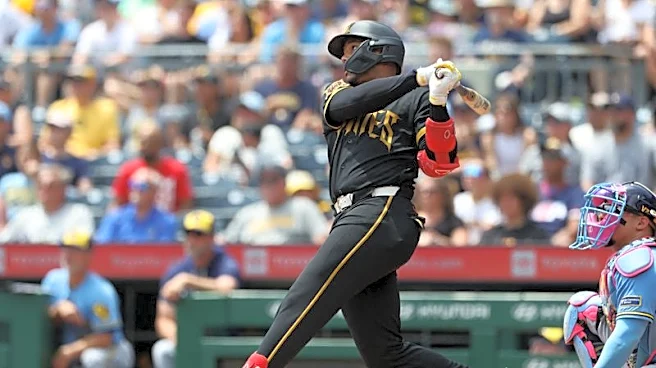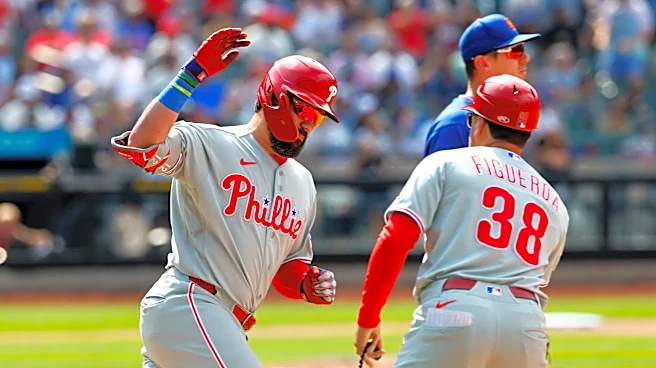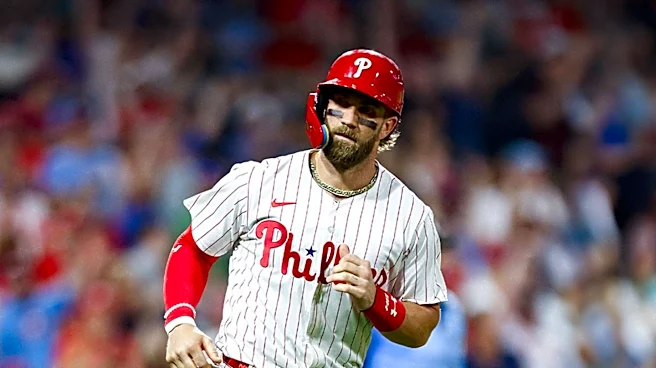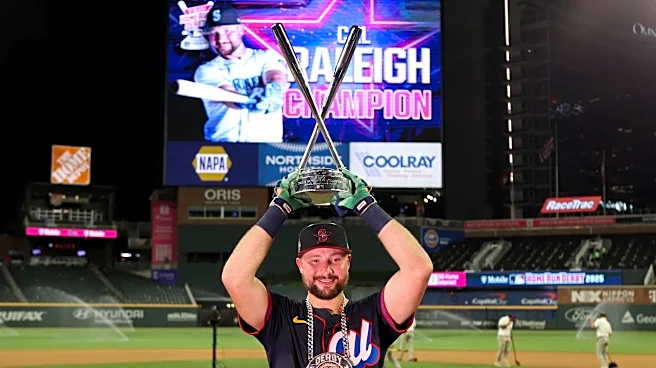





The 2026 MLB Home Run Derby will take place on Monday night, with eight players set to compete for the title. There will be a new champion this year, as Seattle catcher Cal Raleigh, who has had a disappointing, injury-riddled season, will not defend his title. Among this year’s participants, the only former winner is the Phillies’ Bryce Harper, who won while with the Nationals at his home park in 2018.
The derby takes place at 7 p.m. CT on Netflix, with the order of players and format listed below.
Batting Order
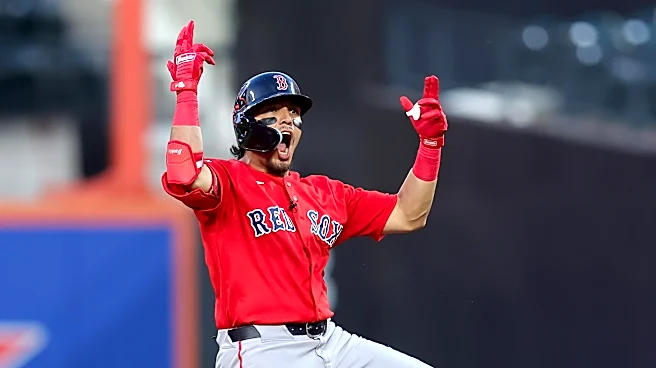
- Willson Contreras, Red Sox (20 HRs) — Pitched to by Red Sox interim bench coach José David Flores
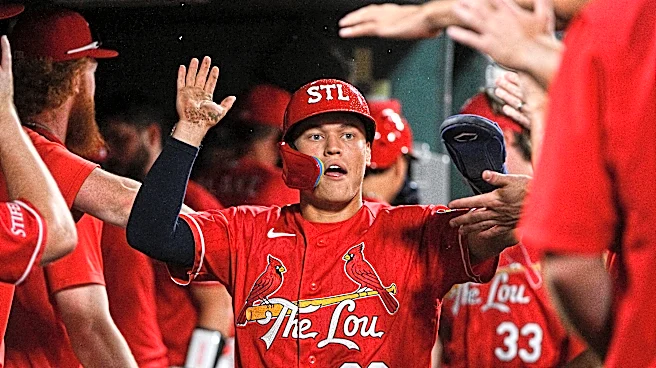
- Jordan Walker, Cardinals (22 HRs) — Pitched to by Cardinals bullpen catcher Kleininger Teran
- Jac Caglianone, Royals (15 HRs) — Pitched to by dad, Jeff Caglianone
- Kyle Schwarber, Phillies (32 HRs) — Pitched to by Phillies assistant hitting coach Rafael Pena
- Ben Rice, Yankees (29 HRs) — Pitched to by dad, Dan Rice
- Junior Caminero, Rays (28 HRs) — Pitched to by Rays major league field coordinator Tomas Francisco
- Munetaka Murakami, White Sox (20 HRs) — Pitched to by White Sox coach Luis Sierra
- Bryce Harper, Phillies (20 HRs) — Pitched to by Dodgers third base coach Dino Ebel
Format
Since 2015, the Derby has been constrained by a timed clock. That has been eliminated in 2026.
Instead of trying to hit as many homers as possible during timed rounds, each of the eight Derby participants will start each round with a finite number of swings: 20 in Round 1, 15 in Round 2, and 15 again in the final round.
All swings count against a player’s swing allotment, whether it results in a homer or not. However, a player who homers on his final swing of a round can keep swinging until he doesn’t hit one out.
The players with the top four home run totals from the first round will advance to the semifinals, where they’ll be seeded based on their first-round homer totals. They will face off head-to-head (No. 1 vs. No. 4 and No. 2 vs. No. 3) to determine the two finalists.
Any ties in the first round will be broken by home run distance, with the player who hit the longest homer among the tied participants advancing. In the semifinals and finals, ties will be broken by three-swing swing-offs until a winner is determined.
Happy mashing!