





Jernaro Gilford is new to the Wolverines, but has spent 10 years coaching cornerbacks position at BYU. While at BYU, he helped make the secondary a force to deal with. BYU had more than 15 interceptions on defense and ranked in the top-20 six times over his 10 years there. He played the position and even earned first-team All-Mountain West honors.
Gilford spoke with Jon Jansen on In the Trenches this week about his transition to Michigan and what to expect from the group this fall.
On making the move to Michigan
The move to Ann
Arbor was a big one for Gilford. He said it’s been a better transition because of the familiarity of everyone around him. Jansen asked him if he would have considered a job at Michigan if he didn’t know everyone, and Gilford said he would because he knows coaching at Michigan is different.
On what’s stood out since arriving in Ann Arbor
Gilford said that while BYU has an incredible atmosphere of its own, he could tell from the fans and the stadium that Michigan is different. He knows about the traditions of the program and was a senior in high school when Charles Woodson played at Michigan. He has memories of watching Michigan and had high school teammates who played for the Wolverines.
On the advantage of coaching the position he played
Jansen asked if there are any advantages of having played the same position he’s coaching. Gilford said he’s been in a position where he’s gotten beat for a starting role, so he knows what it means to play with a short-term memory.
On lessons from BYU coach LaVell Edwards
“The main thing is the relationship with the players,” said Gilford. He played for Edwards and told Jansen that while Edwards held his players accountable, he was also “a players coach.” That experience helped inform Gilford’s approach to coaching. Gilford said that playing for Edwards helped him want to be a coach.
On his competitive mindset
Gilford didn’t hold back when asked about being a nice guy off the field and a competitor in the game. For him, it doesn’t matter if it’s football or a card game, he’s trying to win. While you can be labeled as a “nice guy,” Gilford still believes you can also bring an intensity to how you play the game that allows players to focus on competing.
On building relationships with players at a new program
Gilford has four different keys to success that he tries to focus on with his players — discipline, respect, trust and hard work. He wants to make sure his players are comfortable with him and with one another.
On what he’s noticed about his group of players
The main thing that stands out to Gilford about this group is its talent. He said the group is working on making sure they’re able to play man-to-man by the time the season comes around.
On helping his players develop a short-term memory
Gilford tries to help his players focus on their response after every play. Whether it’s a good play or a bad play, he wants them to move forward and think about how they can respond. If his player gets a sack or breaks up a pass, he wants them to turn around and think about how they can make that play again. If they make a mistake, he wants them to think about what they can do to improve on the very next play of the game.
On Jyaire Hill and Zeke Berry
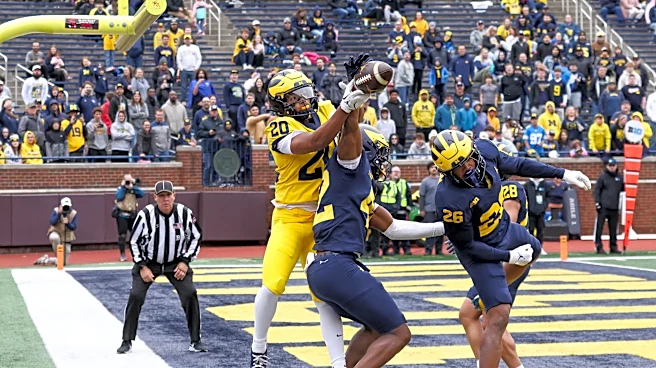
Gilford said that Hill and Berry are players who are efficient in man coverage and zone coverage and have a high football IQ. He also said they’re able to take things they’re learning from film and apply it to the field.
On what they’re doing to prepare for the fall
Gilford said they’re continuing to get better every day. He wants his players looking at the film and conditioning in the months ahead of fall camp. He says if they can do that, they’ll be better prepared for games when the season starts.