




The San Francisco 49ers head into training camp without any contract drama or holdouts. They’ll need to sort out a couple of positions, but heading into the 2026 season, there will be zero mentions of the words “rebuild” or “retool,” which felt like that was the narrative heading into last season.
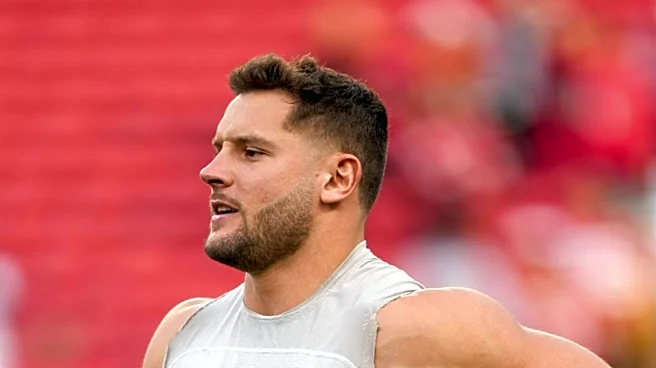
The team that is built on the backs of its All-Pros will look different with those All-Pros on the field. Getting back Fred Warner and Nick Bosa on one side of the ball will make a world of difference. Role
players won’t have to play starter snaps. And depth pieces will benefit from that.
Defensive coordinator Raheem Morris will have complements to his stars that Robert Saleh didn’t have a year ago. Morris will get the second-year versions of Mykel Williams and Alfred Collins. His secondary pass rushers will be rookies Romello Height and Gracen Halton, as opposed to Kalia Davis and Clelin Ferrell.
But the biggest difference that’ll help raise the ceiling will happen on the other side of the ball.
What will be the biggest difference between the 2025 and 2026 49ers?
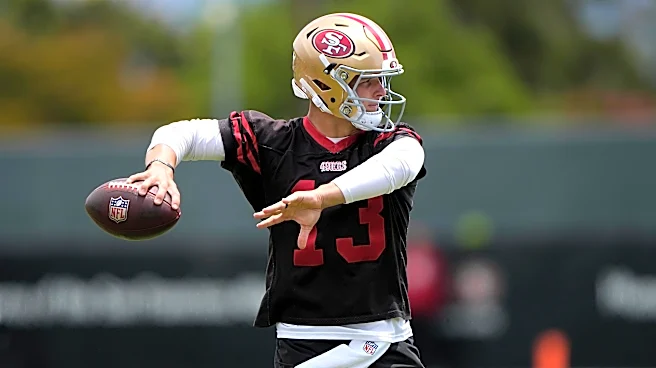
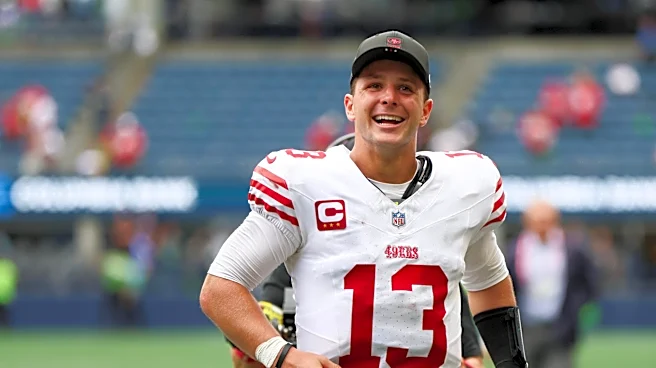
My answer: When the 49ers got trounced in the NFC Divisional round, Brock Purdy completed three passes to wide receivers. Three. The prevailing thought was that Purdy didn’t have enough time to throw and the offensive line got their butts kicked.
While that’s partially true — Purdy was under pressure on 39% of his dropbacks — he had plenty of time to throw. On average, Purdy had a whopping 4.24 seconds to throw on 33 dropbacks. He only completed 55.6% of his passes because there was nobody to throw the ball to.
I recently rewatched the game. And as someone who appreciates wide receiver play, it was painful. Some of the advanced stats match the eye test. Next Gen Stats has a “catch rate over expected” stat. Across the board, the wideouts were in the negatives. Ricky Pearsall’s numbers seem like they were entered in incorrectly; they were so low. When you’re relying on Jauan Jennings and Kendrick Bourne against an elite secondary, it’s a miracle that the Niners were in this situation to begin with.
The wide receiver play for the 49ers will be night and day, and everybody will reap the benefits.
Safeties crept closer to the line of scrimmage without fear of one of the Niners’ wideouts running past them. That same issue meant opposing defenses could shrink the field and turn their attention to George Kittle and Christian McCaffrey underneath.
The lack of physicality showed up in the running game all too often. Because of that, McCaffrey had to be a magician behind the line of scrimmage. The margin for error in the running game was next to nothing because the receivers didn’t have the necessary passion as blockers.
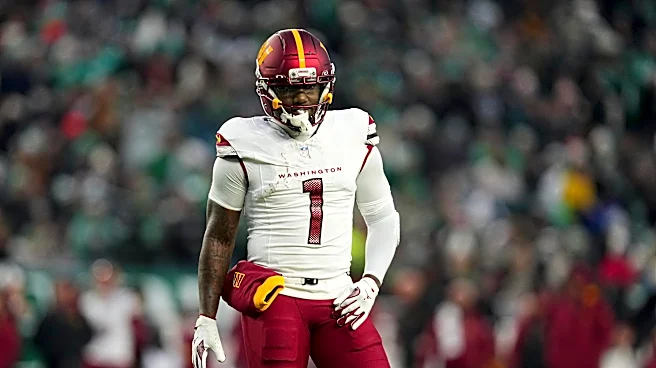
Mike Evans changes everything. He gives the 49ers a weapon on every down, and a go-to target on third down. It also means Pearsall is no longer the focal point and gets the other team’s CB2. When that was the case last season, Pearsall made mincemeat of lesser corners.
Rookie De’Zhaun Stribling adds a much-needed speed element, but in the form of a 6’2” and 200+ pounder. That body type can win over the middle, after the catch, and block the type of players the Niners couldn’t last year, like linebackers and safeties.
Whether it’s Christian Kirk, Jacob Cowing, or Jordan Watkins, the smaller, shiftier types will allow Shanahan to run coverage off and stretch the field horizontally. Those are the kind of receivers who will complement the top three, allowing them to stay healthy for the season.
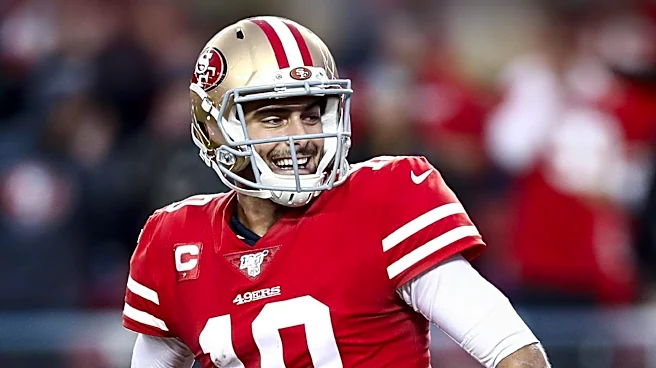
It all circles back to Evans, and the domino effect that comes with having a player who you cannot afford to leave 1-on-1 on the field. It’s why the 49ers offense is in a prime position to return to an elite unit because of their Jimmys and Joes, and not with Shanahan needing to use smoke and mirrors.