
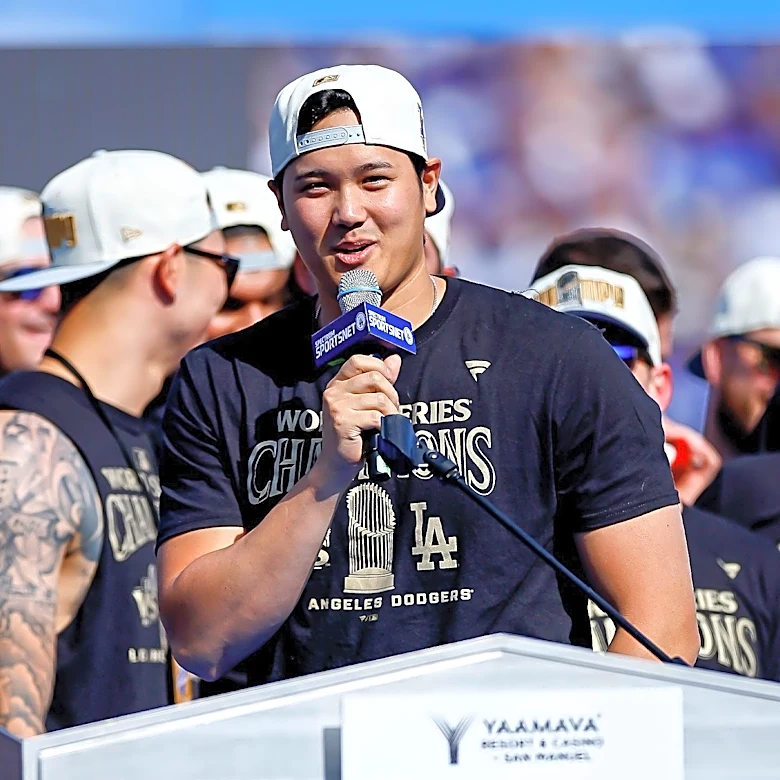

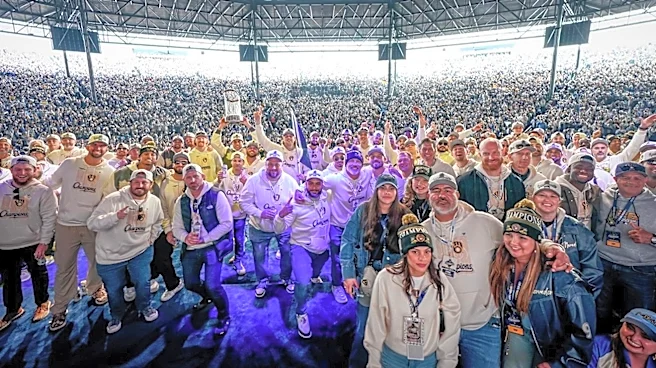

Theo Epstein, once considered the top baseball executive in the world for his work in breaking long-standing and cursed World Series droughts with the Red Sox and Cubs, once said: “The only thing I know for sure is that whatever team wins the World Series, their particular style of play will be completely en vogue and trumpeted from the rooftops by the media all offseason — and in front offices — as the way to win.”
The specifics there change as batters adjust to pitchers and pitchers adjust back,
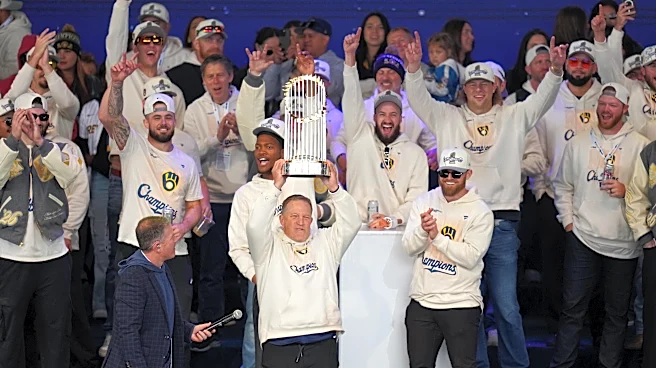
but it’s largely been true. How many articles have you seen already pontificating upon the merits of small ball and “getting back to the basics” after the Brewers won just a week ago? But the reality is both more and less complicated than you think.
Since emerging from their early 2010s tank, the Twins have finished with a winning percentage between 70 and 87 wins in every season from 2014 to now except for the 2019 Bomba Squad (.632), the 2020 COVID team (.600), and the 2016 “back to reality” team (.364) between postseason berths in 2015 and 2017. Basically, outside of 2019, they’ve been wildly mediocre.
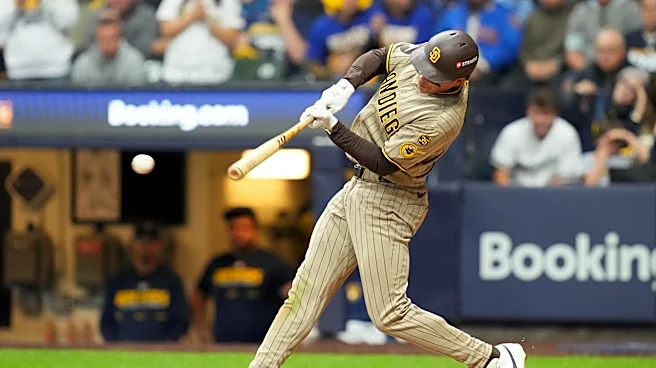
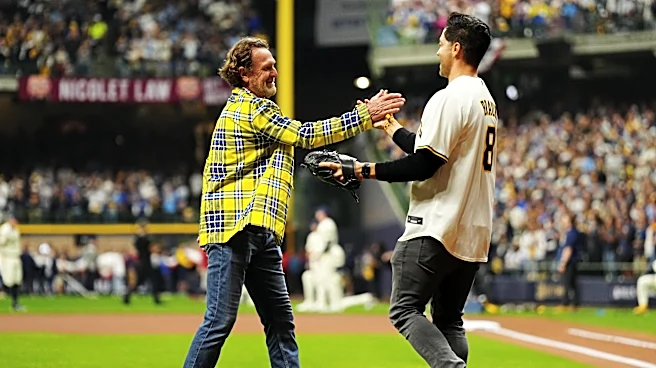
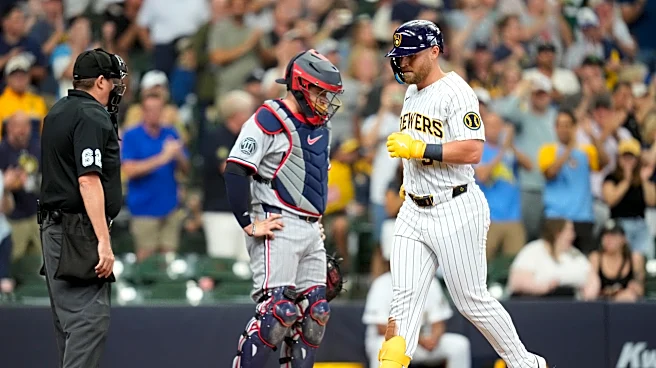
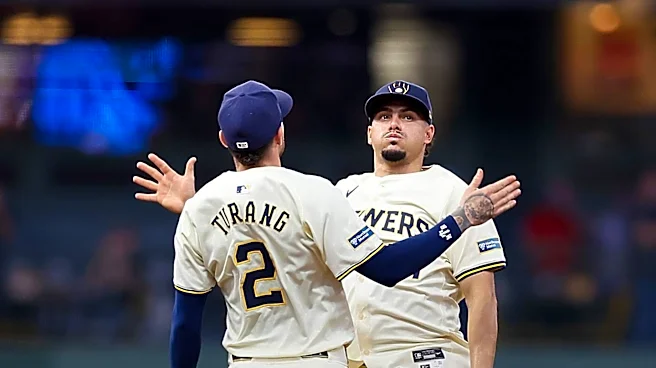
The Brewers won the World Series because they are the best team in baseball. The Brewers are the best team in baseball because they’ve maintained a high level of competitiveness throughout the past decade by sticking to their beliefs, as painful as they may be. That means trading superstars like Josh Hader for Robert Gasser, who went on to become a key rotation cog in their World Series run. They also picked up Esteury Ruiz in that trade, who was later flipped in the three team deal that got them William Contreras, their best player.
Milwaukee also traded aces Freddy Peralta and Corbin Burnes for players who were pivotal in their 2026 season (DL Hall, Joey Ortiz, Brandon Sproat). They traded All-Star closer Devin Williams for Caleb Durbin, who was then flipped to the Red Sox for Kyle Harrison, Shane Drohan, and postseason hero David Hamilton. They haven’t nailed every transaction, but they have nailed the most important ones. Even more important than that, they didn’t hang on to players too long.
Compare that to the Twins. While there have been very few disastrous transactions, the lack of roster movement at all is what has this team stuck in .500 purgatory. Inaction is still an active decision, one former POBO Derek Falvey chose far too often. The Twins have comparable young talent to the Brewers between Walker Jenkins, Kaelen Culpepper, Emmanuel Rodriguez, Luke Keaschall, Brooks Lee, Connor Prielipp, Kendry Rojas, Mick Abel, and more reinforcements on the way. The difference is they don’t have the complimentary pieces to supplement that core, something Milwaukee has excelled at.
Now, players who previously could have been used in Brewers-esque transactions like Trevor Larnach, Matt Wallner, Royce Lewis, and even Joe Ryan to a certain extent, are well past their peak values. The first three are potential non-tender candidates and Ryan has a single year of control remaining coming off of one of his worst seasons since establishing himself as a top-end starter. Former top prospects like Alex Kirilloff, Edouard Julien, Austin Martin, Jose Miranda, and Nick Gordon all flamed out before they really got started. Obviously, no one can perfectly tell who will excel and who won’t, but the Twins have made so few moves in the past half decade that they never even gave themselves a chance to improve.
The Brewers’ real superpower is self scouting and realism. Is Corbin Burnes better than DL Hall and Joey Ortiz? Unquestionably, but they knew they had the rotation depth to withstand trading away Burnes and they had little chance to re-sign him anyway. Not to mention the injury risk of a hard-throwing starter, which they were largely correct about. Burnes has appeared in just 45 games over three seasons since leaving Milwaukee. They were able to identify Jackson Chourio, having never played above Double-A, as a potential future superstar and signed him to an $80M extension before getting anywhere close to the majors. Now, those decisions they’ve had to make on Burnes, Hader, and Williams don’t apply since he’s under team control until 2033.
There is also something to be said for the Brewers’ small(ish) ball approach, but not for the reason you think. They have their big boppers in the middle with Contreras, Chourio, and Jake Bauers, but the rest of the team thrives on contact, speed, and defense.
Milwaukee’s front office didn’t build the roster this way so they could get back to the good ol’ days of fundamentals, they did it because there was a market inefficiency for those types of players. While the rest of the league was still caught up in the juiced ball power age of 2019-2023 (Twins included), the Brewers found that these types of players had become severely undervalued. That’s what let’s you swing a trade of Durbin + other pieces for one year of a reliever, or pick up Joey Ortiz as a throw in for Corbin Burnes, or select a shortstop like Cooper Pratt in the sixth round. While the rest of the league was fixated on an old model, the Brewers had already moved on to the next one. But the fact that I’m writing this right now means that this model is also already outdated.
You can’t trade every prospect and young player or else you end up like the Padres, an expensive, old team with very few reinforcements behind them. But the Twins have taken the exact opposite approach and hoarded players to their detriment. Jeremy Zoll has already demonstrated a better willingness to deal than his predecessor, which is a step in the right direction. Plus, with the young core already in place the Twins are 50% of the way to being the Brewers already. The problem is they’ve yet to shown any capability to fix what has plagued them this entire run and get over the hump.
And, as Twins fans know well after a decade+ of high hopes and mediocre performances, that final 50% is exponentially harder than the first.