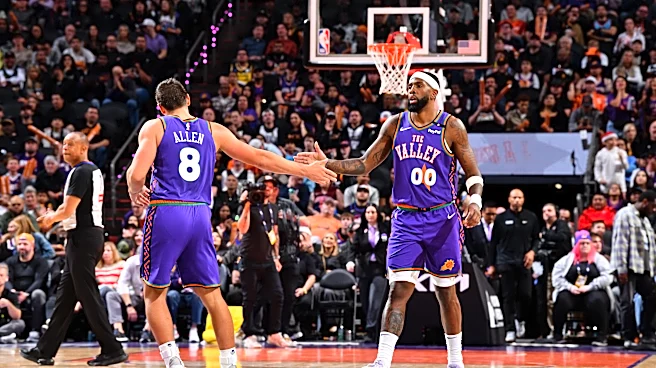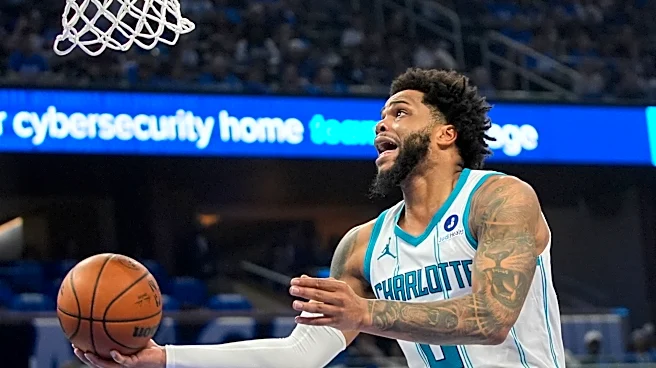





The Phoenix Suns entered free agency with one open roster spot and one glaring need, adding shooting to a team that had just traded away two of its best perimeter threats. With Grayson Allen and Royce O’Neale headed to Charlotte, Phoenix needed to replace some of the spacing and bench scoring it lost in that deal while restoring some balance to the roster.
They’ve now done exactly that. The Suns are signing veteran sharpshooter Luke Kennard to a two-year, $13 million contract. The second year is a player
option.
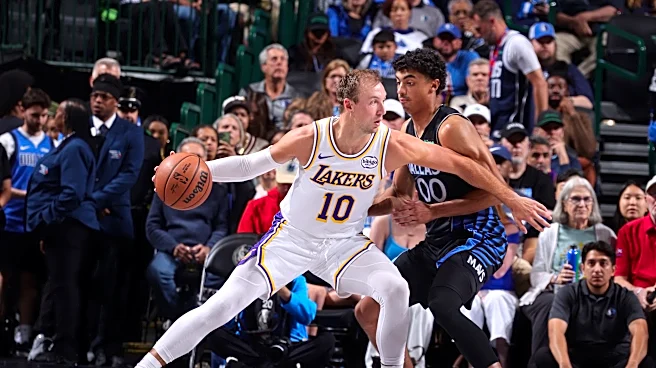
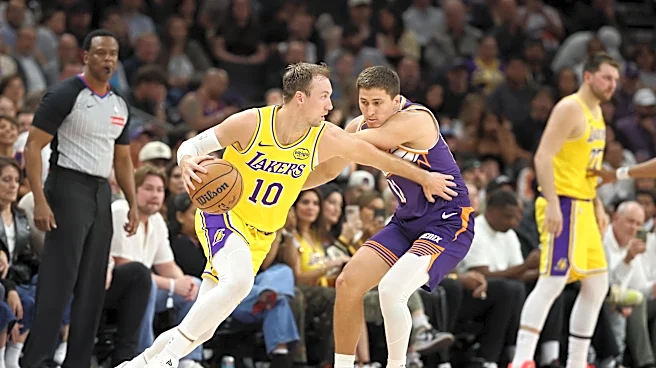
Kennard, who is 30 years old, essentially replaces a very similar player the Suns just sent out. Grayson Allen and Luke Kennard were teammates at Duke, although Allen stayed for all four seasons while Kennard declared for the 2017 NBA Draft after his sophomore year. He was ultimately selected 12th overall by the Detroit Pistons. Now he arrives in Phoenix to fill the role vacated by Allen.
While Kennard doesn’t possess the same level of physicality or the ability to get to the rim consistently, he is the better three-point shooter. Over a nine-year NBA career that has spanned five different teams, Kennard has shot 44.2% from beyond the arc. He’s led the NBA in three-point percentage three different times, with his best season coming in 2022-23, when he split time between the Clippers and Grizzlies and shot an absurd 49.4% from three on 4.6 attempts per game. He is a one-dimensional player. He’s a pure shooter.

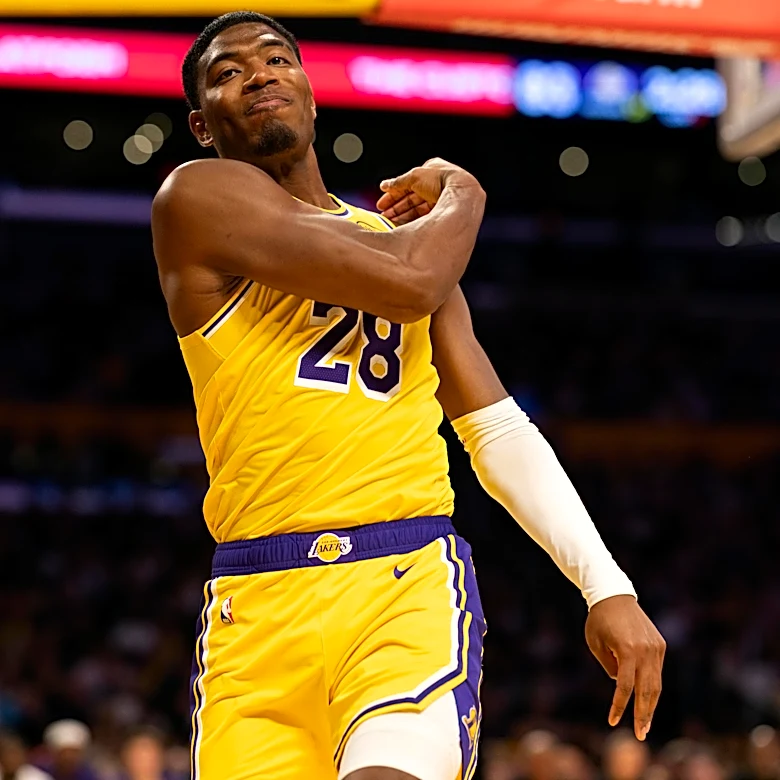
During the Lakers’ 10-game postseason run this past spring, Kennard averaged 11.5 points while shooting 47.4% from beyond the arc. He’s not going to wow you defensively or protect the rim, and he’s not an exceptional playmaker. His job is simple. Come off the bench and shoot. That’s exactly what the Suns are asking him to do.
What this does to the Suns’ cap sheet is push them back over the first apron, with their projected payroll now sitting at approximately $214.9 million. It also completes the standard roster, as Phoenix has now filled all 15 roster spots heading into next season. The only remaining opening is one two-way contract. That spot could ultimately go to Sam Hoiberg or Corey Camper Jr., both of whom the Suns have already signed to Exhibit 10 contracts.
But at this point, the roster is complete. From a contractual standpoint, they’ve put themselves in a good position. The roster now contains plenty of mid-tier, tradable contracts, giving the organization flexibility as it moves forward. In that regard, they’ve operated the right way. Still, you never know. A transaction could be lurking in the shadows.
The depth chart feels balanced, even if there are still legitimate questions about the team’s defensive viability, where the shot volume will ultimately come from, and what the Phoenix Suns will actually look like during the 2026-27 season.

Now comes the fun part. For the rest of the summer, we’ll do what we always do. We’ll theorize, speculate, and try to figure out what this team can become once the games finally begin.