



On my three-day rendezvous to Portugal, one thing I did learn is there was no back-of-the-bus culture. This is a culture purely fabricated by my own vernacular, but nevertheless entirely real, and very much a pillar of the British transportation system.
To be eligible all is required is an ASBO of some kind. It’s a place reserved for the undesirables who play their music from a portable speaker, or worse still, their phone. They sit, legs sprawled across the backseats, exhibiting a nondescript stain
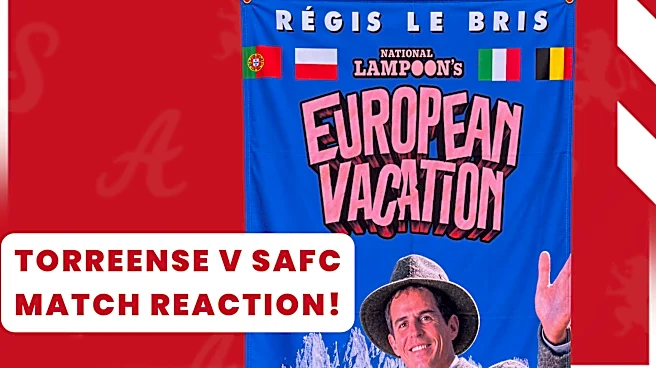
on the crotch of their grey trackies as they look to assert themselves. Well, there I was, sitting at the back of the bus on my way from Lisbon to Leiria, via Fàtima. Legs unfurled, Ready To Go reverberating from my JBL portable sound system, it’s a shame several elderly women were forced to stand up. This was my gift to you, Portugal, like Francisco Pizarro introducing the potato plant to Spain. Anyway, Sunderland’s first competitive game on the continent in 53 years. That figure has been drummed into us, hasn’t it? How old must that make those 53 and older feel? “It’s been 53 long, long years! Spain hadn’t even created patatas bravas the last time Sunderland were in Europe,” claimed one Opta stat. After our worst 45 minutes of football of the 2026/27 campaign thus far, a buoyant response was in order. A day-shy of a month since we kicked off our European campaign with a 1-0 victory over AZ Alkmaar, Sunderland were back in action on the continental stage, and despite an early scare, handed in a last-gasp 2-1 win. Régis Le Bris opted for a midweek reshuffle, as he named seven new faces to the side who fell feebly in the top flight last Saturday, including Europa League debuts for Luke O’Nien, Timur Tutierov, and Jules Ahoka – and in Tutierov’s case, his first start in any competition.

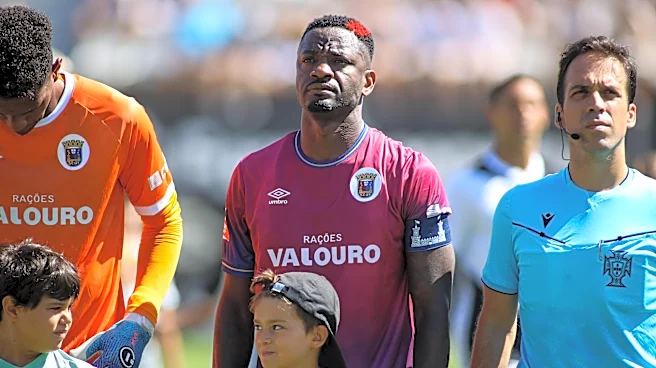
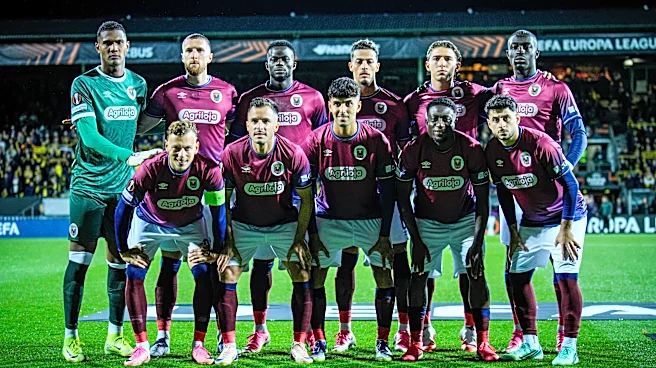
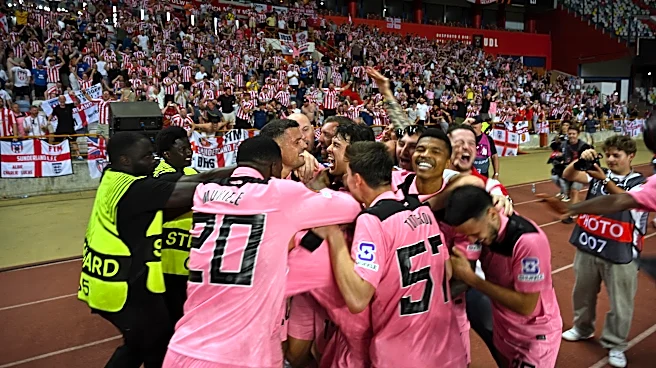
Under the glaring sun in this little pocket of Portugal, the 5,000-strong travelling faithful were in resplendent form as the game kicked off.
While we immediately imposed ourselves from a statistical standpoint by dominating the ball, we couldn’t bypass Torreense’s low block, as Nilson Angulo, Malick Fofana, and Tutierov’s efforts were thwarted.
Chris Rigg cut a frustrated figure as he tried to, at times, single-handedly unlock a side more than happy to sit deep and soak up our uninspiring offensive build-up.
After Tutierov saw his headed effort disallowed – Omar Alderete was adjudged to have fouled an opposition player in the lead up – our host’s struck emphatically.
A driving run from Torreense’s centre-half, Volnei Feltes, saw the defender glide from his own half to the edge of our area almost completely unimpeded, before unleashing a goal worthy of any highlight reel.
Stunned at the break, we had paid the ultimate penalty for our turgid tempo, inefficiency in the transition, and our creative inadequacy.
Reappearing after half time, there remained a nervousness to our play, with creative flair left wanting. So much so, Le Bris was forced to call on experience, as Granit Xhaka, Nordi Mukiele, Enzo Le Fée, and Reinildo Mandava were introduced into the fold.
Thankfully, there was a drastic transformation, with Mukiele and Reinildo’s overlapping runs offering both width and options in a game where few had presented themselves.
It was from this additional space that Ahoka would restore parity, as he leapt highest to meet a pinpoint Mukiele cross.
Following the leveller, there was only one team who were ever going to win it, even after the referee waved away penalty calls despite a trip to his monitor.
As we pressed for an elusive winner in the dying embers, another one of Reggie’s super subs paid dividends, as a Xhaka pass found Noah Sadiki, who lashed it past Lucas Paes in the Torreense goal to spare us the embarrassment of dropping points to the Portuguese minnows and seal a second successive victory in the Europa League.

While this was by no means a game for the football purists, Sunderland dug deep, and demonstrated resilience when questions had begun to be raised about intensity, heart, and offensive inventiveness.
Having earned our first competitive win on foreign soil in, you guessed it, 53 years, it is apt that we did what the icons of ‘73 couldn’t — win in Portugal. Now, we must use this result, and the manner in which it was achieved, as a springboard going into this busy period.