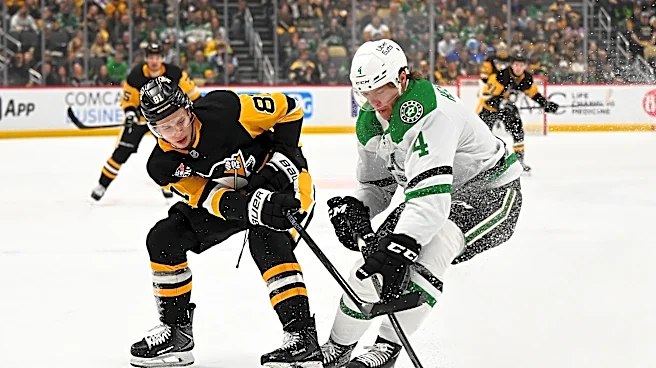




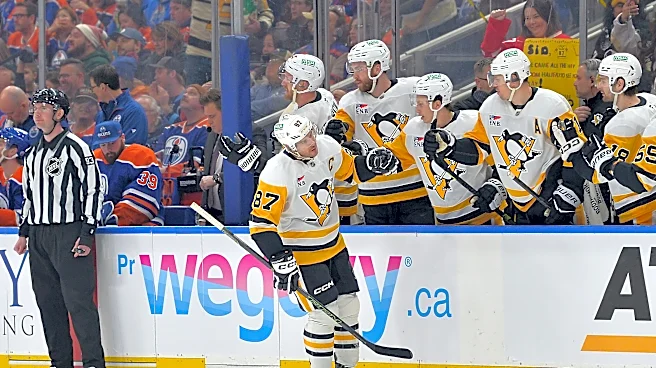


The 2025-26 season was the first time the Penguins outscored their opposition at 5v5 when both Sidney Crosby and Evgeni Malkin were off the ice since 2021-22. Not coincidentally, 2026 was also the first time the Pens qualified for the playoffs since 2022.
A recent split of the 5v5 net goals while Crosby was on the ice, Malkin on the ice, Crosby and Malkin together and then with neither star out there looks like this, per Natural Stat Trick. This is a nice breakout to see how the third and fourth lines
perform since historically Crosby and Malkin have been played largely on separate lines over the years.

In the last four seasons, Crosby averaged a +6.25 goal differential per season, Malkin averaged +4.25. There have been the outlier year (ouch, 2024-25) but overall these players are usually going to do as designed to tilt the scoreboard in their team’s favor at even strength and then really go for over-kill when power plays roll around.
Hockey being the ultimate team sport means there are two other lines that have to come through too. The circumstances are tougher with added defensive responsibility and starts to free the scorers up for what they do best. There are plenty of other variables in play for team performance, but there looks to be a good bit of correlation that the three times the bottom-six players out-scored their opponents in recent seasons (2021, 2022, 2026), Pittsburgh made the playoffs. The three years that the Pens got out-scored without 87 or 71 on the ice (2023-25) they missed the postseason every year.
That sets a premium for support players, perhaps more than ever since Crosby just turned 39 and Malkin just celebrated a 40th birthday. Aspects of the exact details have changed – Malkin might not be a center or even the main focal point of his line anymore, but the overall message is the same: the Pens can’t succeed if they get caved in on the scoreboard when the role players are on the ice.
Last year’s big change can be chalked up to a variety of clutch performances. The team went from averaging -18.3 goals without Crosby+Malkin all the way back above water to a +3. A positive three might sound relatively small, but considering where it was coming from it’s the turnaround that makes the difference. Add in the above-mentioned fact these lines are usually tasked with preventing goals more than scoring, and it makes a difference. In 2024-25 the rate of goals allowed per 60 was 2.67, cut to 2.55 in 2025-26.
The fourth line rotated due to injury but was exceptional all season long no matter who stocked it between Blake Lizotte, Noel Acciari, Connor Dewar and Elmer Soderblom. The other non-87/71 line was often composed of elements like Ben Kindel, Anthony Mantha, Justin Brazeau and Tommy Novak and those players all turned in career-best quality performances (besides Novak, who was only three points away).
That will put a paramount on this year’s ‘other lines’. Acciari will need to be replaced, which shouldn’t be a major hurdle given his own up and down seasons and limited skill. Watching Mantha’s 33 goals walk hurts more, though surely the team will hope that between newcomers Andrey Kuzmenko and Nick Robertson that they have enough finishing and skill joining up to help mitigate the loss. Kindel’s potential gains in being better in his second season than as a rookie (assuming he’s not centering Malkin) will be another favorable factor that is worth optimism.
If you couldn’t know the record and wanted to know what kind of season the Pens had, getting this data for 2026-27 on the 5v5 goal splits above would likely tell one everything they needed to know about how the season went. Recently there’s been all sorts of data, all confirming that the team has to function well in all areas in order to get a good result.