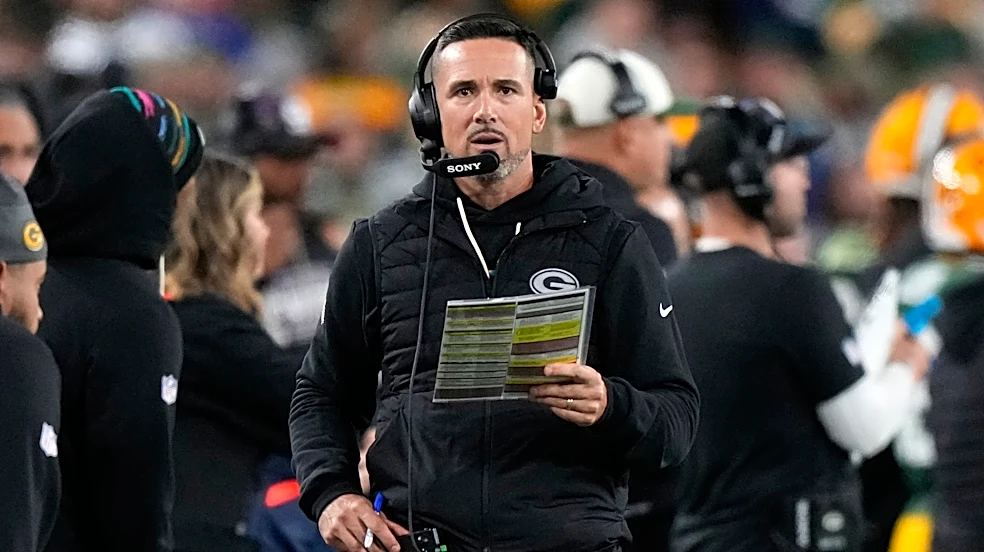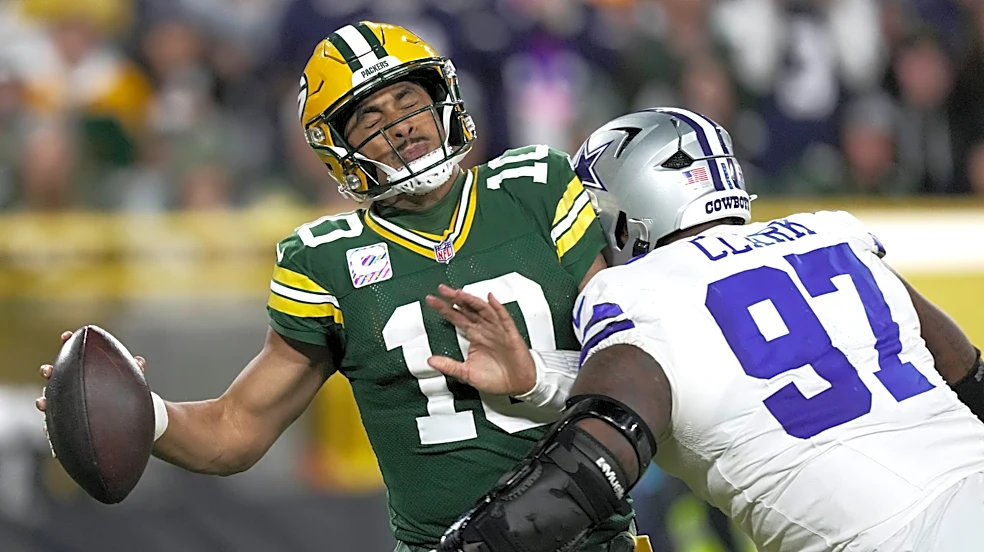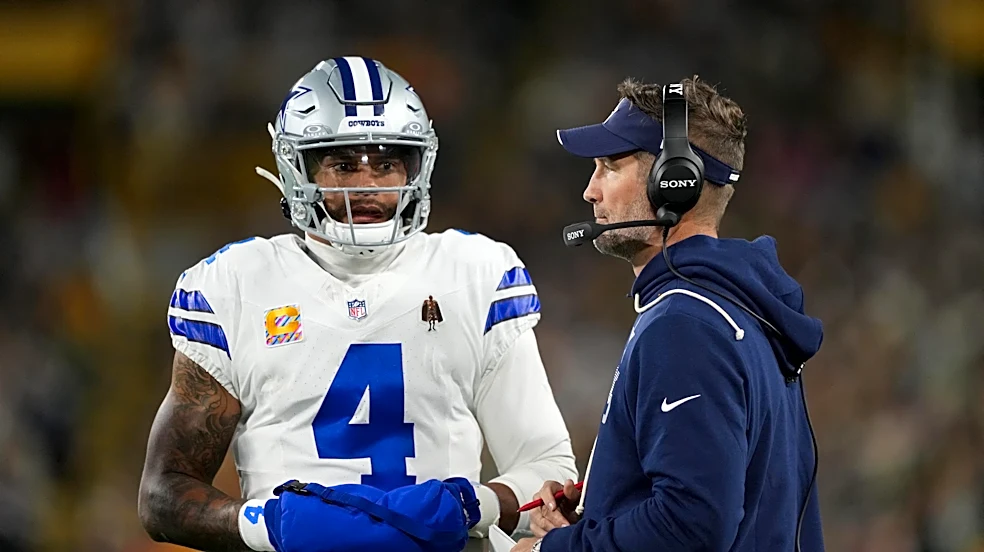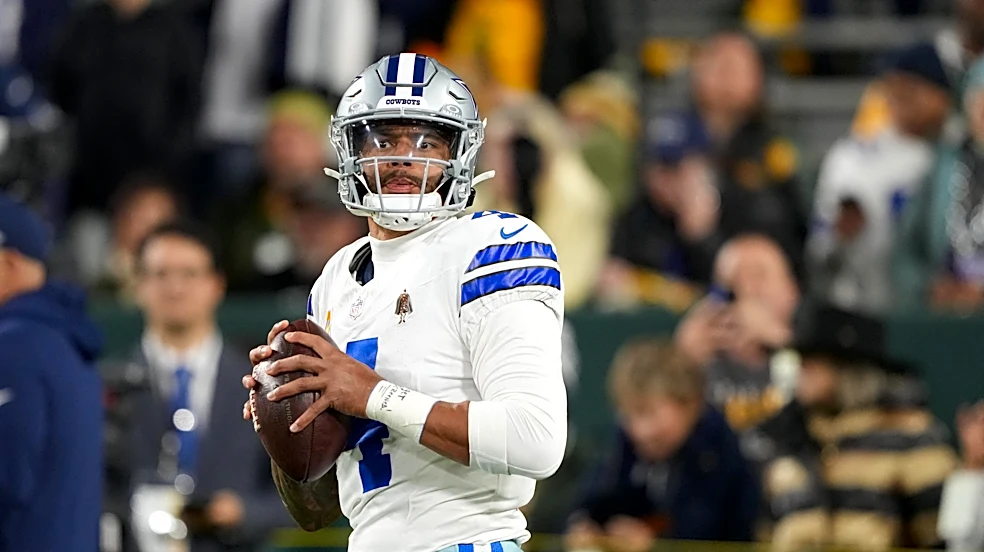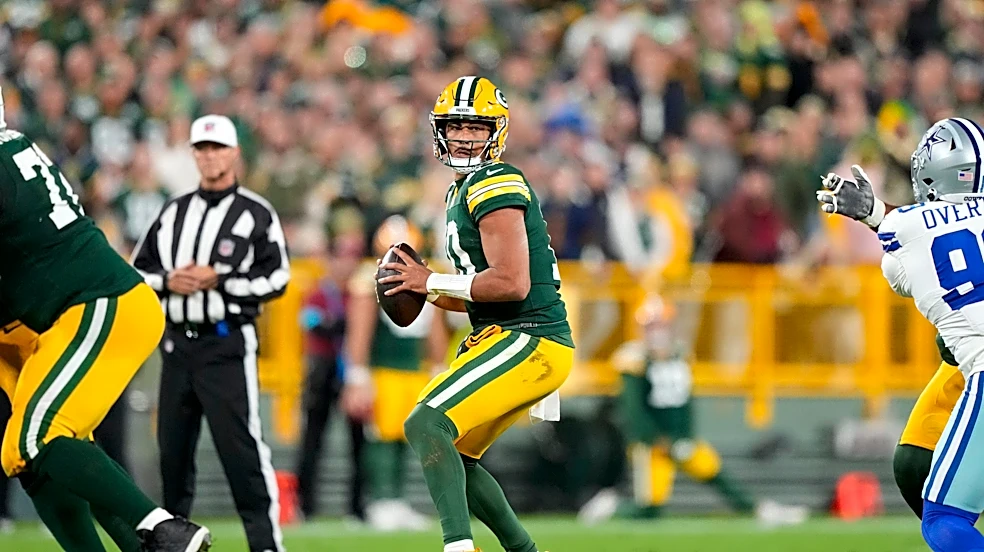


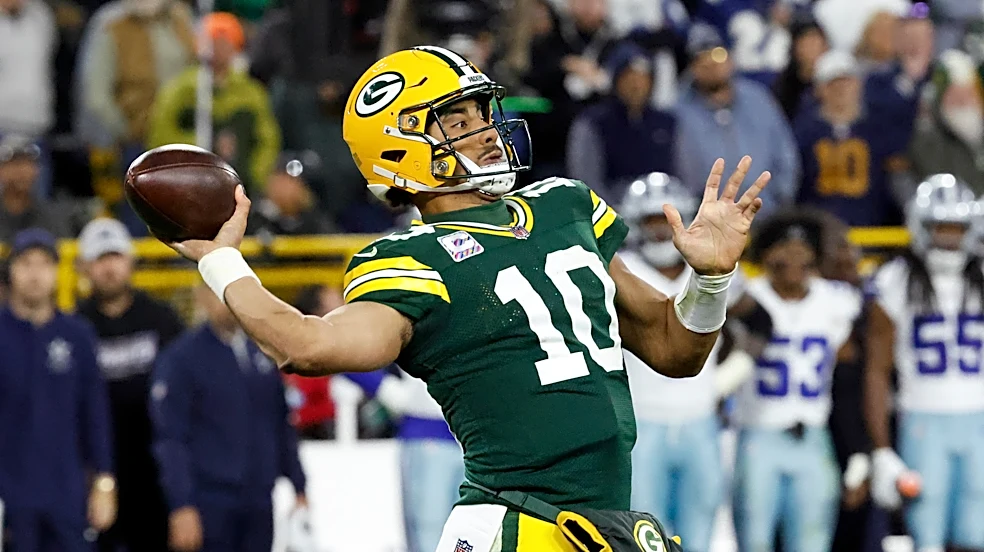

The Detroit Lions face off against the Green Bay Packers this week, and the timing could be tough for them. The Packers have shrugged off an ugly start to the season and are now riding a three-game winning streak. Their last two wins in particular—blowout wins over the Bears and Cowboys—have been impressive.
I watched the Packers’ last game against the Cowboys, both live and again on replay, and took some notes as it may pertain to this week’s game against the Lions.
Packers have no run game
Green Bay let the Cowboys hang
around for much longer than they should have, and a lot of that has to do with their lack of a running game. The Packers scored just six second-half points against a terrible Cowboys defense. Removing two Jordan Love kneel-downs, the Packers rushed for just 42 yards on 17 carries in the second half (2.57 YPC). Mind you, this is a Cowboys defense that, even after this performance, ranks dead last in rushing yards allowed (149.8 per game) and 25th in DVOA.
For the season, Green Bay is dead last in:
- Rushing yards per game (59.8)
- Yards per carry (2.9)
- Rush EPA (-0.299)
- 31st in rushing success rate (32.5%)
Green Bay will likely get Josh Jacobs back this week, which should help. But there are systemic issues with their running game, including a busted offensive line. If recently added guard Kevin Zeitler makes his first appearance this week, it could have a bigger impact than Jacobs’ return.
Green Bay’s safeties are awesome and versatile
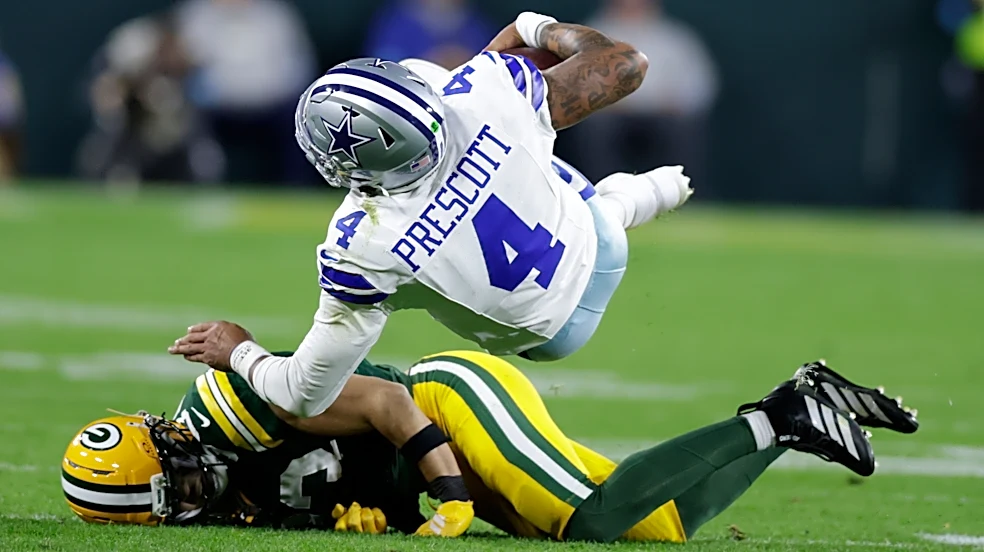
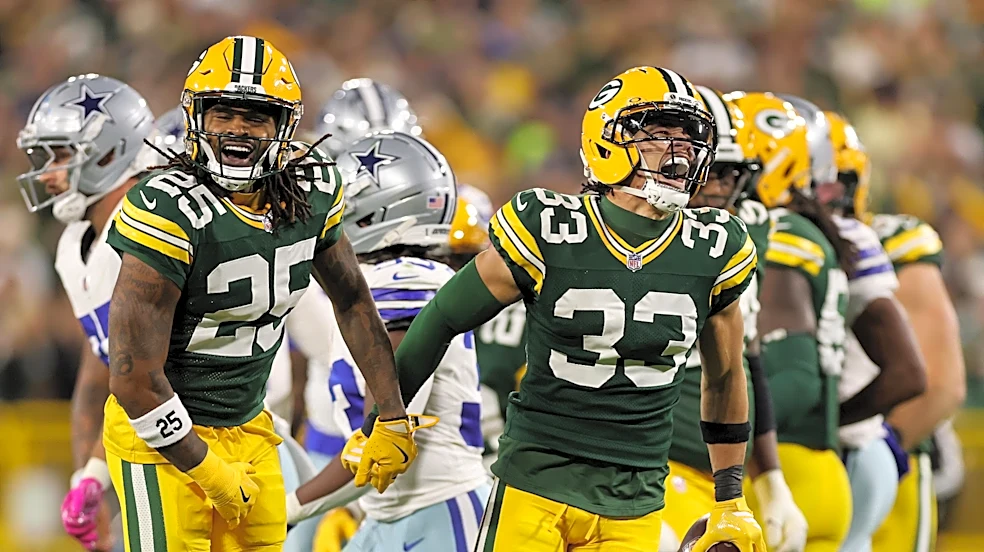
Watching the Packers deploy Xavier McKinney and Evan Williams in creative and exciting ways made me yearn for the days of a healthy Brian Branch and Kerby Joseph. Both players are so versatile, and defensive coordinator Jonathan Gannon has done an awesome job putting them in positions to make plays. Just watch him hide Williams close to the line, only to have him back out, scream to the opposite side of the field, and pick off a completely unsuspecting Dak Prescott.
For the season, the duo has a combined five interceptions, 2.0 sacks, six quarterback hits, and 73 tackles.
They will stress both Jared Goff and the Lions’ receivers, making it hard to both attack the deep portion of the field (GB is 11th in EPA per pass on deep balls) and the middle of the field (first in EPA per pass against slot targets). This will put more pressure on Detroit’s boundary receivers to win against what is a pretty mediocre cornerback group in Green Bay.
Deep ball merchants
While Anthony Balaj put together a nice piece on why the Packers’ deep-ball game may not be as threatening as it seems, it’s still a huge part of what the Packers do on offense. Though Love didn’t connect on a deep shot against the Cowboys, they did benefit from a 37-yard pass interference penalty on a deep shot to Bo Melton. In fact, no one in the NFL has benefited more from defensive pass interference penalties than the Packers through six games, with a league-leading 135 yards gained.
No team has more passing attempts of 20+ air yards than the Packers (5.3 per game), although their +0.32 EPA per deep shot only ranks them 19th in the NFL.
Meanwhile, the Lions have been horrible against deep shots this year. They’re dead last in EPA/pass (+1.41) and are giving up the second-most yards per game (80.6) on deep shots. Detroit is hoping the return of Brian Branch this week may help stabilize the back end, but this may be their biggest test of the season.
Careful blitzing Jordan Love
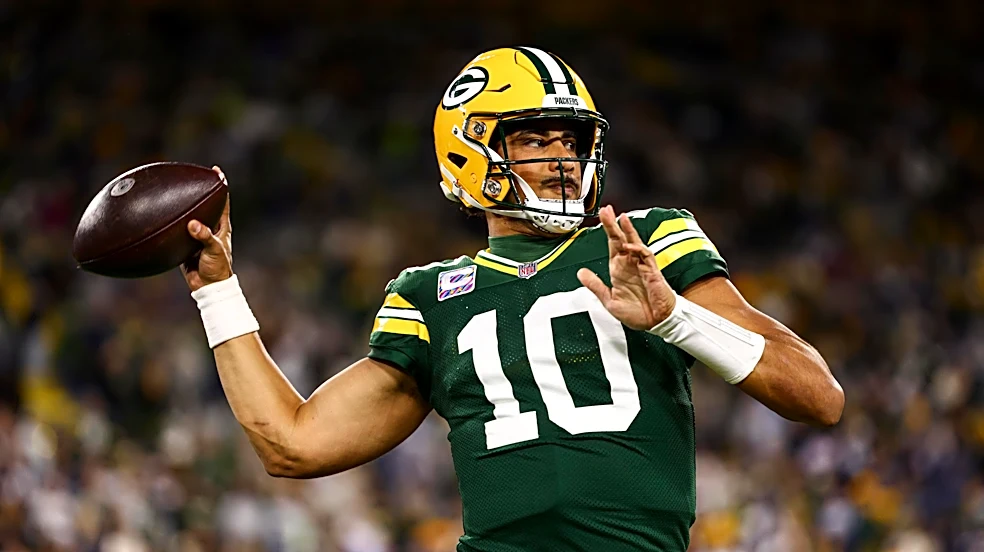
Dallas tried to bring some extra pressure to test a poor Packers offensive line, but Jordan Love had all of the answers before the Cowboys could get home. While Dallas was able to produce a 53.8% pressure rate on those blitzes (eighth-highest of Week 8), Love still torched them on those plays. He went 8-for-12 for 100 yards and one sack against the blitz. He produced the sixth-highest yards per attempt (8.4) and second-highest EPA/dropback (+0.43) against the blitz in Week 6.
His season-long stats are a little more tame, ranking 13th in EPA/dropback (+0.03), 12th in yards per attempt (8.1), and 11th in passer rating (104.2) against the blitz.
Still, if I were the Lions, I would test my luck trying to create pressure without deploying extra defenders. Love’s statistics are actually much worse with no blitz, ranking:
- 23rd in passer rating (84.4)
- 17th in yards per attempt (7.1)
- 17th in EPA/dropback (+0.05)
Given that the Lions are producing the seventh-highest pressure rate without blitzing (35.5%) and the Packers are allowing the sixth-highest pressure rate on non-blitz plays (36.2%), the game plan seems obvious.
Well-coached blitzing
The Packers dialed up some well-timed and well-disguised blitzes against Dallas that ensured a comeback attempt from the Cowboys never came close to materializing. In total, they had a 35.7% blitz rate (11th-highest of the week). More importantly, it was effective. On blitzes, they were able to produce a 45.0% pressure rate (13th), and it completely disrupted Dak Prescott and what was one of the best passing offenses in the league. Against the blitz, Dak Prescott was just 12-of-20 passing for 79 yards (4.0 yards per attempt — ranking 28 out of 29 qualifying QBs in Week 6).
Detroit’s offensive line has been better than expected this year, but the reshuffled unit is still figuring things out when it comes to handling the blitz, allowing the third-highest time to pressure in the NFL against the blitz (2.21 seconds). Thankfully, Jared Goff tends to make things right by getting the ball out quickly and avoiding the negative plays. Despite the quick pressure, Detroit still has the second-highest EPA per pass against the blitz (+0.33).