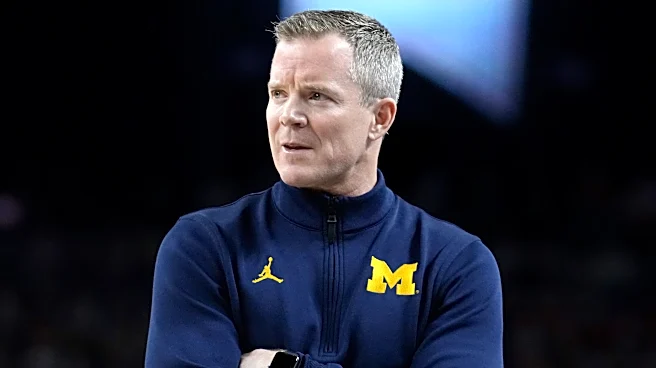


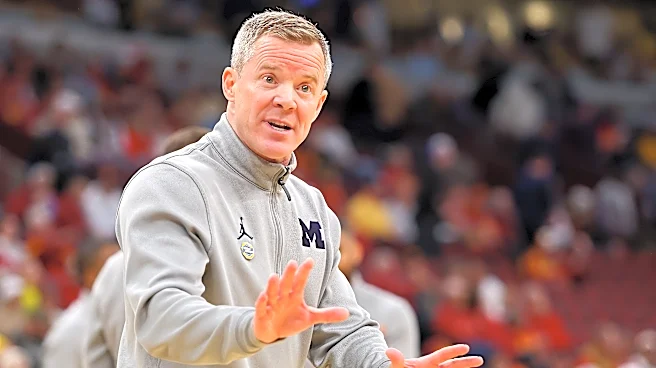
When Dusty May was introduced as Michigan’s new head coach two years ago, he was asked what the Wolverines would look like under his watch. “Our goal is to be enjoyable to watch,” May said. “We want to win championships, but we also want to put fans in the seats and be easy on the eyes.”
“When you watch us play,” May continued, “you should see teamwork. You should see efficiency on both sides of the basketball.”
Since arriving in Ann Arbor, May and the Wolverines have won two Big Ten championships
in two years (the tournament championship last year and the regular season championship this year). They have done so with a roster brimming with top-flight talent and depth – but one that has also delivered on May’s promise of playing “beautiful basketball.”
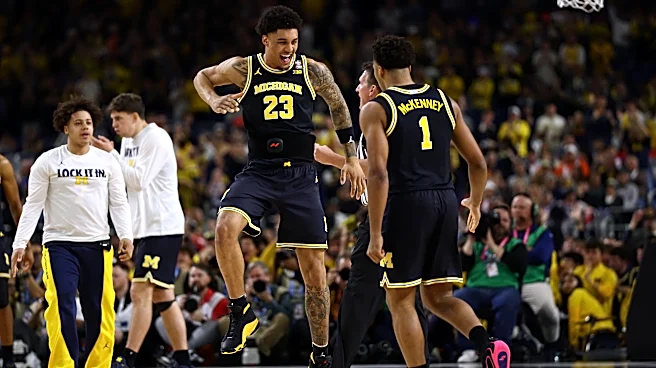
With a multifaceted offense in which the ball moves freely and easily, Michigan has been among the most efficient teams in the country over the past two seasons. A major reason for that efficiency – and part of what makes the Wolverines so enjoyable to watch – is their unselfish play.
“We’re an unselfish group of guys,” Big Ten Player of the Year Yaxel Lendeborg told reporters. “Nobody cares about their stats on this team. We’re going to go out and do whatever we need to do to win.”
“The biggest focus is playing team basketball,” Lendeborg added. “We thrive off of that. And if it’s making that extra pass, everybody on this team will make it for each other.”
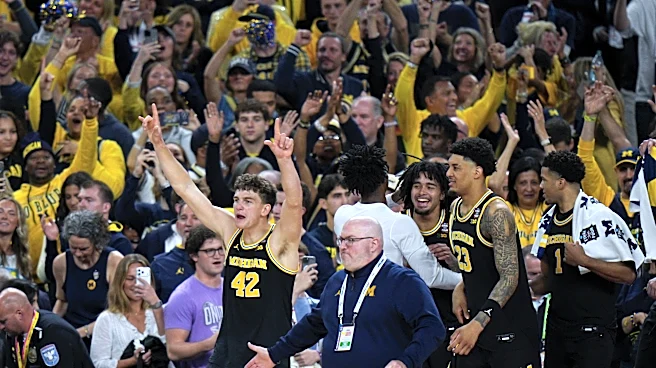
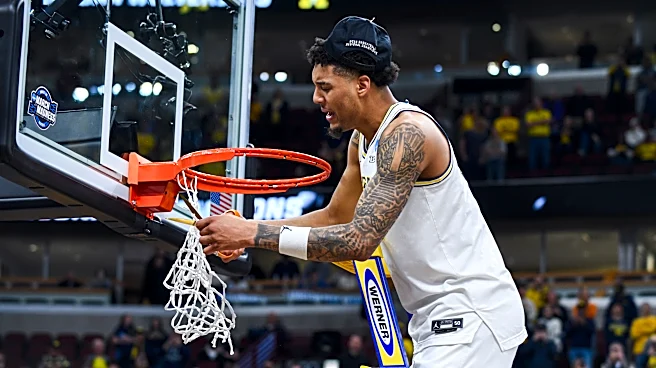
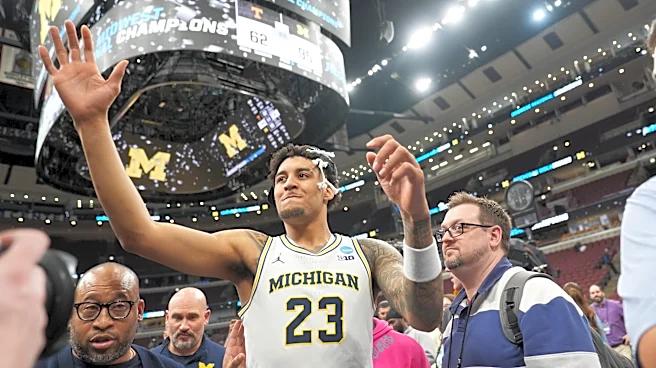
That unselfishness was on full display in Chicago last weekend, where Michigan didn’t just make the extra pass, but often made multiple extra passes in a pair of dominant performances. With Lendeborg leading the way, the Wolverines rolled over Alabama and Tennessee and roll into the Final Four.
Michigan comes to Indianapolis playing as well as it has all season – which is saying something, considering how it started the season. During a five-game stretch from late November through early December, the Wolverines defeated San Diego State by 40 points, Auburn by 30, Gonzaga by 40, Rutgers by 41 and Villanova by 28.
Michigan is back to playing at that level – and just at the right time.
“There’s a reason they’re a number one seed,” Alabama coach Nate Oats said after losing to Michigan in the round of 16. “They’re big, strong, athletic, physical. They just seemed like they imposed their will on us. They’re as good as anyone we’ve seen all year.”
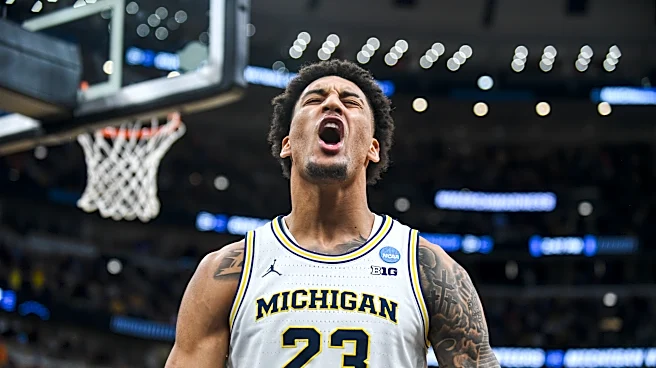
“When this group got together, we all wanted to make it to the national championship – and win it,” Lendeborg said. “Being able to make it this far means a lot, but we want more.”
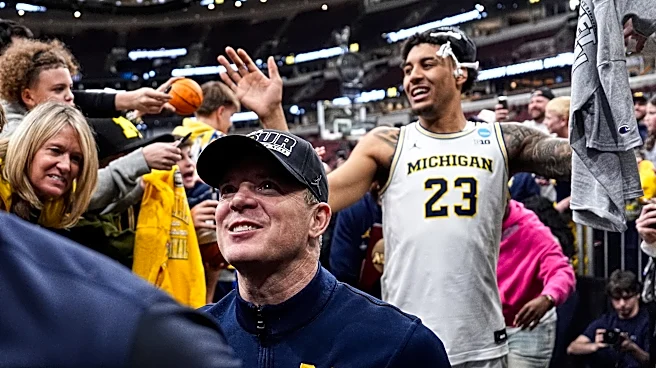
“It’s a slippery slope,” May said, “of being happy and content that we’re here, but also knowing we have work to do if we’re to accomplish our ultimate goal.”
There have been a lot of great Michigan teams over the years. The Cazzie Russell-led 1965 Final Four team, the Ricky Green-led 1976 Final Four team, Bill Frieder’s back-to-back Big Ten championship teams in the mid-1980s, the Fab Five and their back-to-back Final Four appearances in the early 1990s, John Beilein’s Final Four teams in 2013 and 2018, and of course, the gold standard in Ann Arbor: The 1989 national champions.
This Michigan team has already earned a place in the pantheon of Michigan’s all-time great teams. If it can tack on two more wins this weekend, it will join an even more elite group.