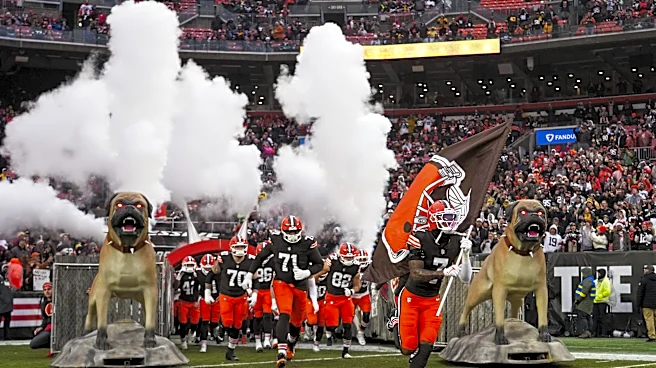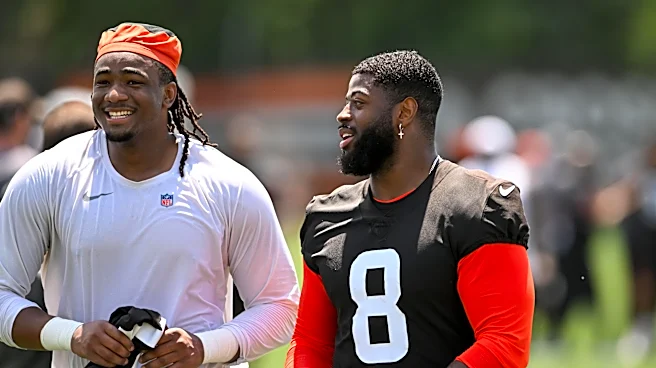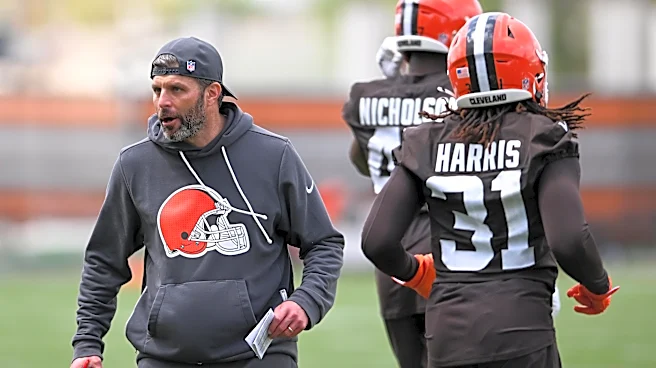




The Cleveland Browns will enter the 2026 NFL with some major changes on a defense that was statistically one of the league’s best for the past three seasons.
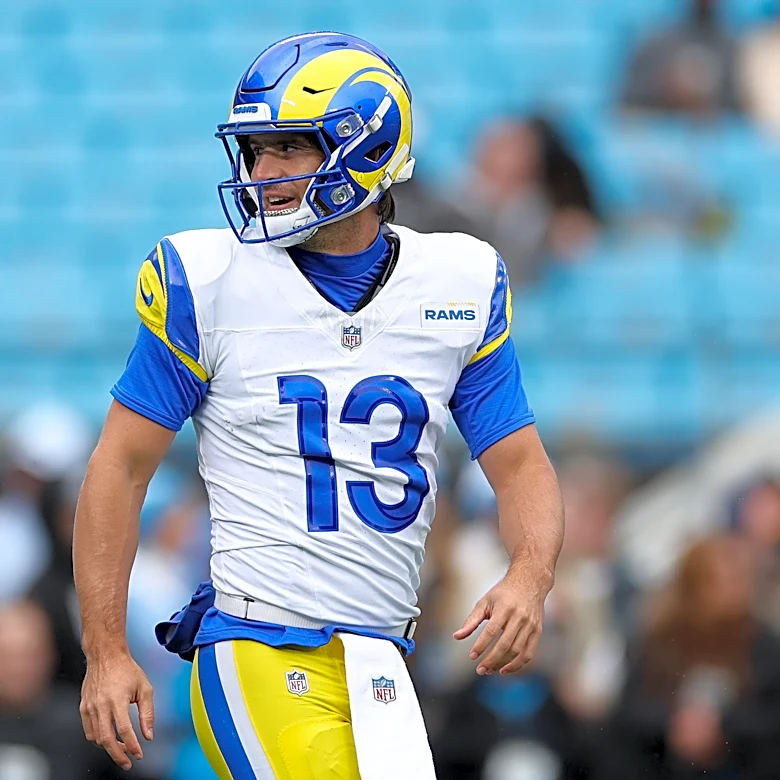
Myles Garrett, the reigning Defensive Player of the Year and arguably the best defensive player in franchise history, is gone to the Los Angeles Rams, with Jared Verse looking to fill the void.
Quincy Williams joins the linebacker room to replace the departed Devin Bush and work alongside Carson Schwesinger, the reigning Defensive Rookie of the Year
and No. 93 player on the current NFL Top 100 list.
In the secondary, second-round draft pick Emmanuel McNeil-Warren is expected to be an active participant in some three safety alignments with incumbents Grant Delpit and Ronnie Hickman.
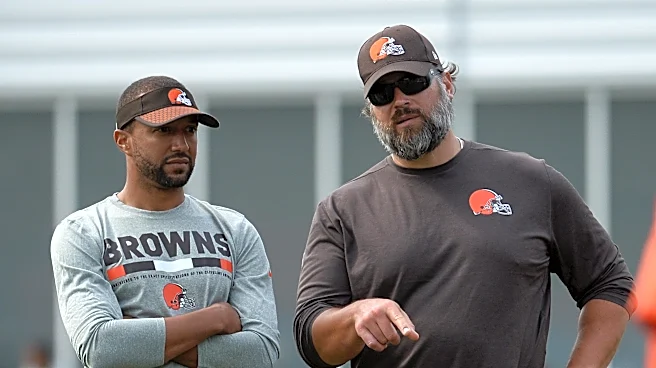
The biggest change, at least after trading Garrett, will be on the sidelines as Mike Rutenberg takes over for Jim Schwartz as defensive coordinator.
This will be Rutenberg’s first crack at running a defense, but he has been coaching that side of the ball since joining the Jacksonville Jaguars as an assistant defensive backs coach in 2003. That was when he first started working with Robert Saleh, whom Rutenberg followed to the San Francisco 49ers and then the New York Jets, where he was exposed to the idea of relying on a four-man pass rush, which is something that Schwartz also favors in his defenses.
Having a fresh voice in the room, while adapting to Garrett no longer being on the team, is a reason that Rutenberg could be successful with the Browns, as ESPN’s Ben Solak highlighted in an article looking at 10 new coordinators who have a lot riding on them:
While defenses are often built from the front back, it’s Rutenberg’s coverage background that might make him the ideal successor to Schwartz. Rutenberg spent last season with the Falcons as defensive passing game coordinator under Jeff Ulbrich (another Saleh connection). With a great post safety in Jessie Bates III on the roster, the Falcons played a ton of single high: 61% of their snaps, to be exact. Third in the league to only the Saints …and the Browns.
The Browns’ secondary is built to play single high, as Schwartz (often to his detriment) committed to playing with an extra body in the box while the rest of the league permitted light boxes, as is the modern style. The Browns’ secondary of cornerback Denzel Ward and safeties Ronnie Hickman and Grant Delpit was talented enough that Cleveland could just line up and play with great success.
But disguise does not need to be the opposite of aggression. Schwartz’s coverage approach has long been predictable, and predictable is exploitable even when Garrett is breathing down your neck. Last season, nobody ran less quarters or fewer zone blitzes in the league. The Falcons were top five in both under Rutenberg in 2025 by Next Gen Stats’ coverage model.
Rutenberg will breathe schematic freshness into Cleveland without sacrificing the identity of what has been a phenomenal unit in the past few years. And with the Garrett trade, that schematic freshness might suddenly become more necessary. The Browns cannot rely on a four-down rush nearly as much as they used to because they don’t have the generation’s best pass rusher on the roster any longer. Schwartz would have had to change even his near-permanent stripes — with Rutenberg, the Browns have a better chance to make that change quickly and effectively.
Things were also going to be different and difficult without Garrett as a force multiplier on defense, no matter how much people try to paint his time in Cleveland as less than favorable.
But if Rutenberg can lean into the team’s strengths with some fresh ideas, the Browns may still have a defense capable of putting fear into opposing offenses.