






It’s nice to be the trendsetter rather than the one trying to catch up to an existing trend. Proactive versus reactive, as I like to say. Being proactive means accepting risk. You’re trying something that might not work, but if it does, you’re already ahead of everyone else.
I think back to the Phoenix Suns of the Seven Seconds or Less Era. They stood on the precipice of changing the way basketball was played, creating the blueprint for much of the game we watch today. Unfortunately, they missed one
key ingredient. They never fully embraced depth, and by the time they reached the Western Conference Finals, they were simply worn down. But I’ll save those feelings for another day.
Mat Ishbia has taken a similarly proactive approach, although in a very different way. He’s become a trendsetter in how he provides access to the team. By putting Suns and Mercury games on free over-the-air television, he’s made them available to anyone with an antenna. At a time when television rights fees continue to climb, Ishbia zigged while everyone else zagged, choosing accessibility over exclusivity.
“This has always been about the fans. We were the first to make games available free over-the-air, bringing Suns and Mercury games to more fans in Arizona than ever before,” said Ishbia when the team extended its partnership with Gray Media. “We’re excited to keep our games free and accessible – growing our fanbase and the game of basketball by ensuring everyone in Arizona has access to watch the Suns and Mercury.”
Did it cost him money? Absolutely. But I believe he saw the long-term value of making the product readily available to the fan base. Accessibility creates fandom. Fandom creates loyalty. And loyalty eventually drives the financial returns. Loyal fans buy jerseys. Loyal fans buy tickets. Loyal fans care about the product, care about the organization, and invest emotionally in its future.
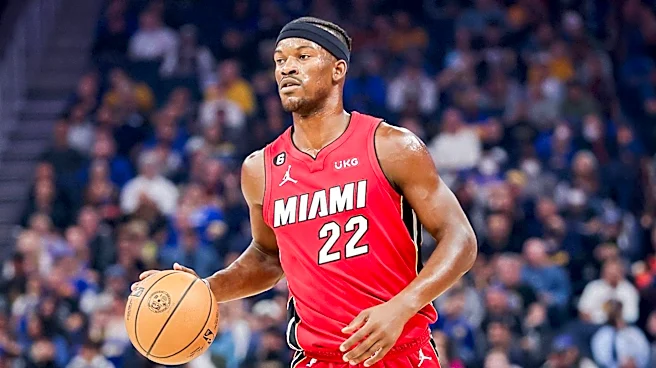
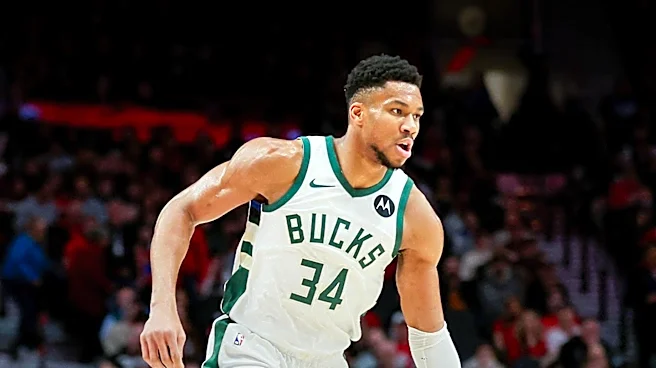
Why do I bring all of this up? Because we saw another organization follow that blueprint as the Atlanta Hawks became the fifth NBA team to make its games available on local over-the-air television. Phoenix, Detroit, Miami, and Milwaukee have done the same, although the article releasing this information doesn’t give the pioneer their due credit.
Again, it’s good to be innovative. It’s good to be ahead of the curve. The Hawks don’t make this decision unless Mat Ishbia chose three summers ago to move in that direction. Phoenix proved there was another way to connect with the fan base, and now other organizations are beginning to follow that lead.
Not every innovation changes an industry overnight. Sometimes its impact is measured by how many others eventually decide it’s worth copying. That’s what appears to be happening here. Whether the Suns receive widespread credit or not is almost beside the point. They identified an opportunity, accepted the risk, and demonstrated that expanding access could strengthen a franchise’s connection with its community. Now the rest of the league is beginning to catch up.