

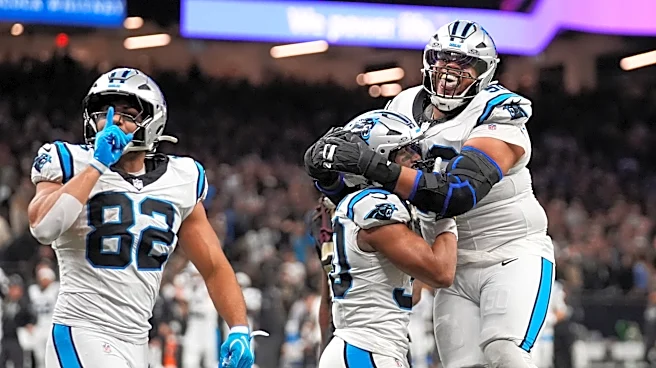
If there is only one thing in this world that can be said with certainty, it is that following and watching the Carolina Panthers is not for the faint of heart. One must be resolute in their fandom in order to withstand the trauma inflicted on those who tune in to see what Dave Canales and boys in process blue have in store that week.
I say this because had Sunday’s nail biter of match-up gone to overtime, I may not have survived. Not to say this would have been entirely the Panthers fault, as many
of the aspects of the game that threatened my mortality were beyond their control. The main threat to my well being coming in the form of the little yellow flags that we all learned clash harshly with process blue.
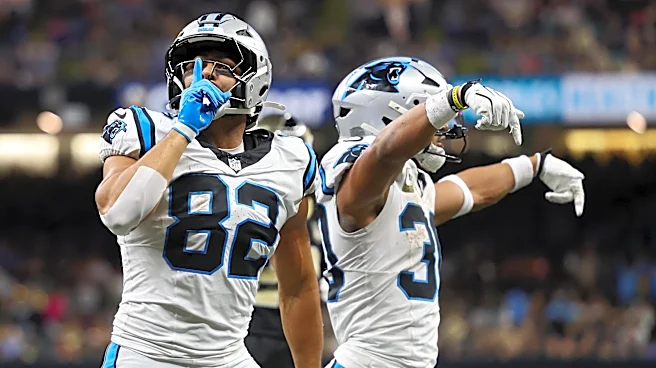
Yet, despite the fever dream of a broadcast that seemingly consisted of 80% penalty announcements and 20% turducken propaganda, the Panthers emerged victorious and gained sole control of the NFC South. Sure, you would like the win to be a little prettier and inspirational, but after losing three straight contests beggars cannot be choosers – and the Panthers were certainly begging for a win.
Thankfully, the Panthers did more than just beg for the win. In fact, there’s been a few changes, both subtle and not subtle, that have been made in recent weeks that may have contributed to Sunday’s victory. For this game review, instead of rehashing the officiating debacle that we covered earlier this week let us instead focus on the details that allowed the Panthers to overcome it.
Aggressiveness
When Todd Wash took over as defensive coordinator, he did so with the promise that the Panthers would play more aggressively on defense. That the Panthers were going to play fast and if mistakes were going to be made, they were going to be made going 100 miles per hour. So far, I’d call that mission accomplished.
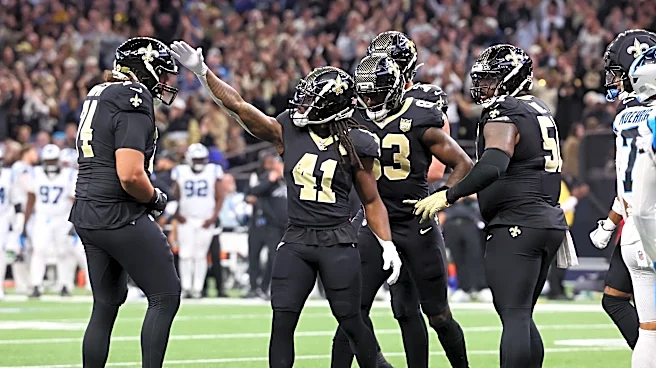
Starting from the Saints first drive of the game, the differences in approach were obvious and so were the dividends they paid. Instead of lining up 7 yards off the line of srimmage, the defensive backs stood right across from their receivers and challenged them every step of the way. Instead of the free slant being available that became the signature of Ejiro Evero’s defense, Marco Wilson was in position to contest the route and popped the ball in the air and into the waiting arms of Devin Lloyd.
It’s more than just how the secondary is playing, as the lineman seem to have much less to think about and are given the green light to rush the passer without having to be as mindful of their gaps. I would even hypothesize that their aggressiveness to attack immediately off the snap instead of reading and reacting to the offense is a likely cause of the offsides, encroachment, and neutral zone infraction penalties that have popped up the last two games. Reel in the pre-snap penalties while maintaining the level of pressure on the opposing offense and we might be on to something.
Personnel changes and deployment
With the adjustments to scheme and philosophy there are also a few notable changes in personnel. Rookie safety Zakee Wheatley has seemingly usurped Nick Scott as the starting safety after playing 100% of the defensive snaps. With that, Scott still sees plenty of action after moving over to being more the team’s nickel defender. Chau Smith-Wade, who was once penciled in as the Panthers starting nickel has taken over as the full-time starter at one of the outside corner spots.
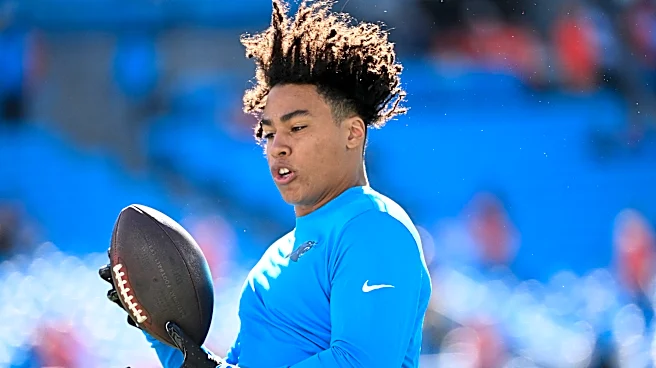
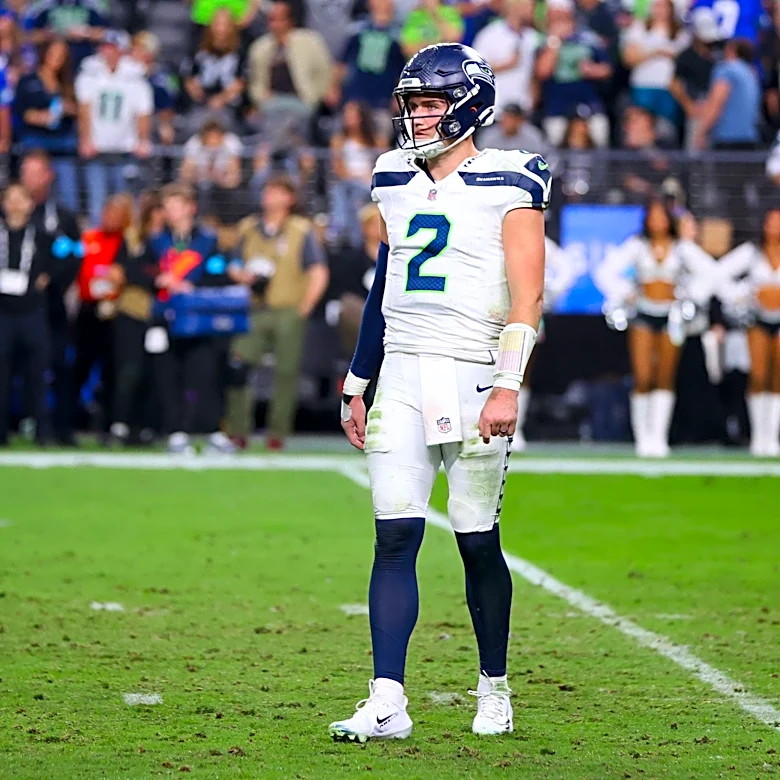
Notably, Wheatley’s rookie classmate saw a minor tick up in snaps on Sunday with 15 compared to 13 versus the Denver Broncos. It may not seem like many, but 15 was the third most amongst defensive lineman behind Derrick Brown and Tershawn Wharton. Hunter should see more than 15 snaps a game going forward if he remains the teams 3rd defensive lineman especially if the sub-package featuring Patrick Jones lining up against an offensive guard is used any less going forward. This package got plenty of use and led to many of the Tyler Shough’s many struggles against the pressure, but I don’t expect it to be a constant in each game.
Production
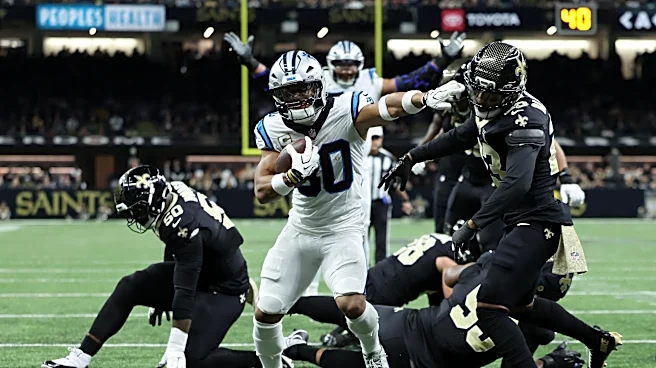
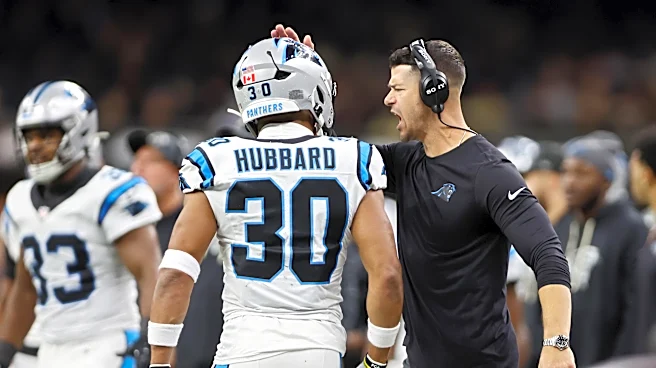
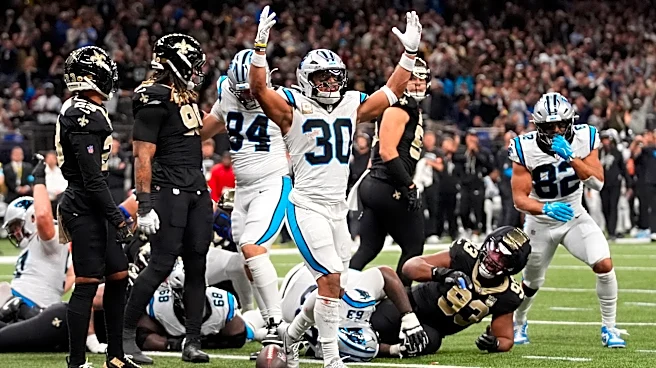
It’s not complicated, the players that are supposed to be good have to play like it. On Sunday, many of the players the Panthers rely upon rose to the occasion. Two players in particular looked like the two best on the field on either team. That was Chuba Hubbard and Jaelen Phillips. Hubbard channeled 2019 Christian McCaffrey on Sunday by playing 85% of snaps, piling up 170 yards on 32 touches with 2 scores. The comparison to McCaffrey goes beyond the statistics, as Hubbard’s moves on the field had me double checking what year it was. I’m not kidding, when was the last time you saw a Panthers running back make a man miss in the open field like this and take it another 30 yards up field?
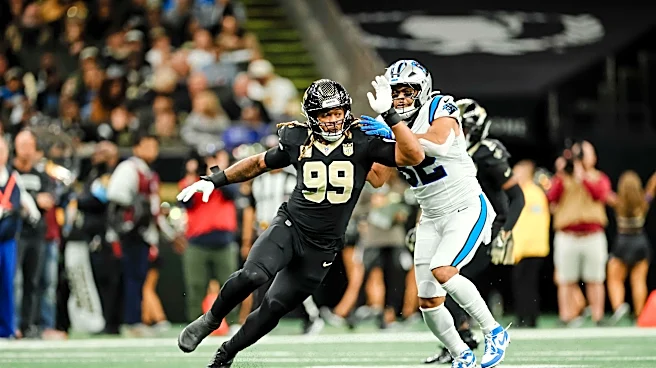
While Hubbard willed the team to victory on offense, Phillips was determined to make the Saints right tackle want to retire. Phillip’s was dominant racking up one sack that counted, and another that should have counted if not for a questionable decision by the officials to call a horse caller for a tackle that occurred within the pocket. Alas, we’ll just have to settle for a few tackles for a loss and 8 pressures going by NFL’s NextGenStats and Sumer Sports. Not bad.
Shout outs to Derrick Brown who finally notched his first sack of the season and Monroe Freeling, the Panthers first round pick this year and frequent starter at right tackle, who played his best games a pro. Only allowing 1 pressure and having a few dominant reps in the running game is what you want to see from a first year player looking to earn their stripes.
Now, time will have to tell how ‘real’ the Panthers are going forward. To be blunt, the Saints are not a good team and the Panthers looked at moments like they should have won by 2 or even 3 scores despite very nearly losing. Against a better opponent, the Panthers will not have the same margin for error. Let’s see how they hold up next week when they take on the Baltimore Ravens. Until then, keep pounding.