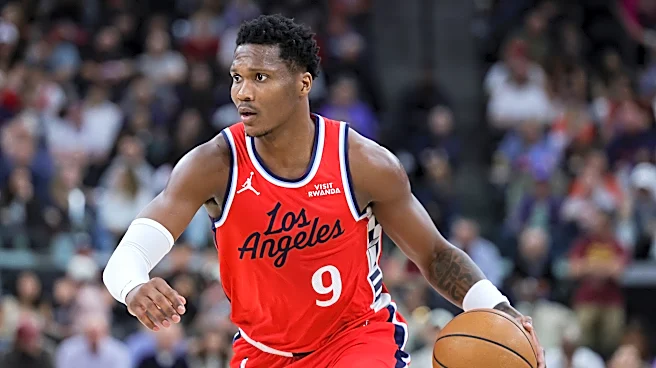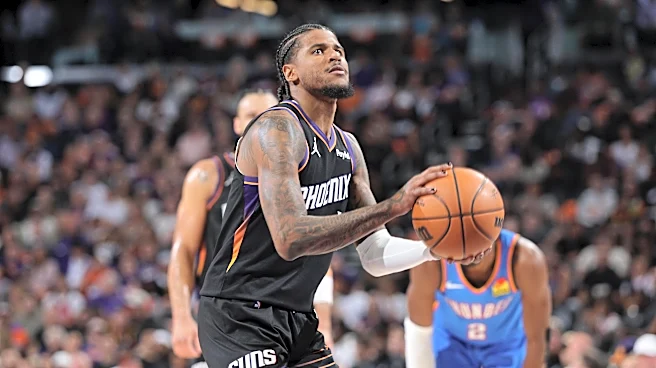



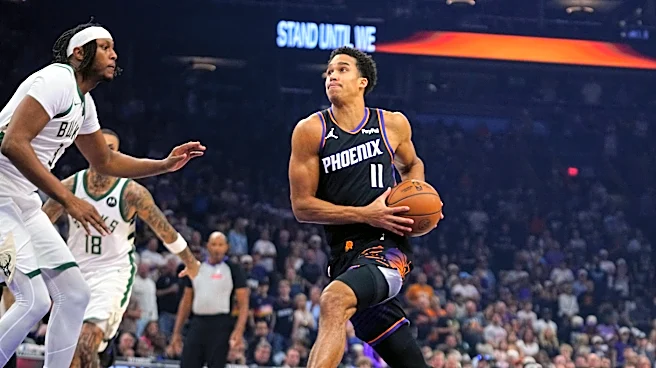

When you look at the Phoenix Suns, their current roster construction, and how it impacts both the short term and the long term, one thing is clear. This upcoming season is going to be a make-or-break year for 24-year-old Jalen Green.
Green came to Phoenix as part of the Kevin Durant trade, bringing the youth and athleticism the Suns desperately needed. Unfortunately, he played only 32 games last season. That’s right, his superpower of health instantly evaporated once he experienced the Phoenix sun.
Last season was supposed to be the dating period, the time when we learned about his fit and skill set within the confines of who the Suns are and what they are. Alas, injuries pushed that timeline back. Now, 2026–27 becomes the dating period. That being said, the Phoenix Suns are facing an interesting dilemma when it comes to Green.
He’s owed $36.3 million this upcoming season, the second-highest salary on the team, and holds a $36 million player option for the following year. With extensions beginning to kick in for players like Dillon Brooks and potentially Miles Bridges, committing additional long-term money to Green could become financially irresponsible. So he enters this season with something to prove. If Green doesn’t show that he’s worth being part of the long-term plan, then the clock starts ticking on when and how Phoenix moves off his contract.
That leads to the real question. How long do you give Jalen Green? Do you let the entire season play out and make a decision next summer, knowing there’s a strong possibility he opts into that $36 million player option? Or, if he struggles, do you start shopping him early and potentially move him before or at the trade deadline?
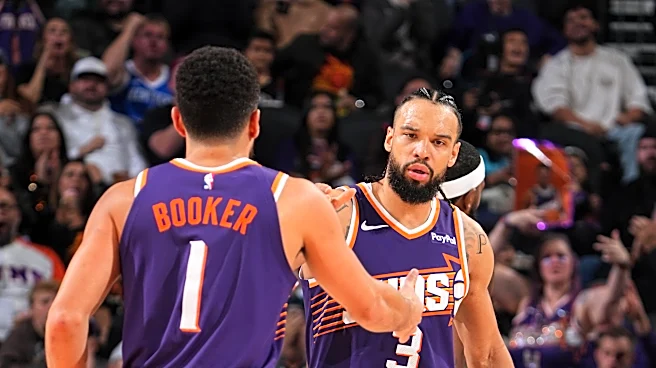
That’s the dilemma Phoenix will have to navigate. The front office has to weigh all these factors while also trying to understand exactly how Green fits within this team’s ecosystem. Is he someone you use as a primary playmaker, allowing Devin Booker to thrive more in an off-ball role? Or is Green the off-ball guard, the player who benefits from the gravity Booker naturally creates?
The early indications suggest the Suns may want Green to handle more point guard responsibilities, much like they experimented with Bradley Beal two summers ago.
Is that the right strategy? I’m not sure the guy with a 1.4:1 assist-to-turnover ratio is the ideal choice to be your primary ball handler. Booker, by comparison, has a career assist-to-turnover ratio of 1.8:1. Yikes, right? My guess is that we’re going to see an infusion of both philosophies. That would make sense considering the Suns are clearly leaning into a more modern, positionless approach with the way they’ve constructed this roster.
In a perfect world, Green progresses as both a player and a playmaker. He uses his athleticism to become elite at getting to the rim while also improving his overall decision-making. If that happens, the Suns will then have to figure out how to make everything work financially in the years ahead. But if Green reaches that level, that’s a good problem to have.
You’d much rather have a talented player and be trying to figure out how to make everything fit within the system, the organization, and the cap sheet than be stuck with someone who is overpriced, overpaid, and underperforming. So ultimately, this is a prove-it year for Jalen Green.
And proving it means more than scoring points. Green has to show that his athleticism can translate into winning basketball, that his decision-making can improve, and that he complements Booker rather than complicates the offense around him. Phoenix never received the evaluation period it expected last season. Now it gets another chance. By next summer, the Suns need to know whether Jalen Green is part of what they’re building or simply another contract they have to navigate around.