


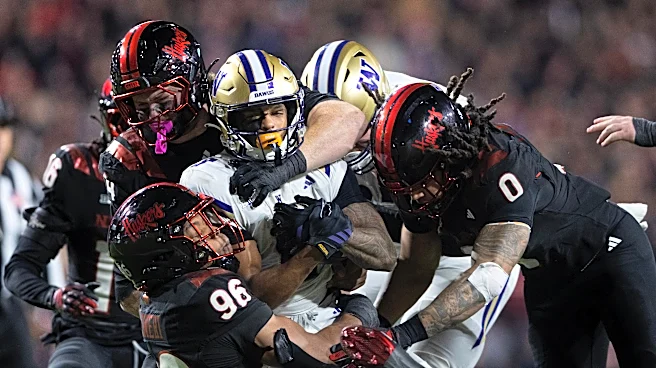
With coaching decisions looming, a talented recruiting class to protect and experienced players to retain, Nebraska has far more than bowl eligibility riding on its final three games.
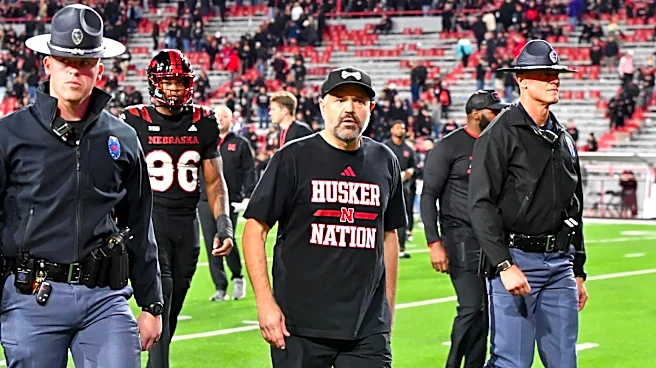
Nebraska’s 2026 season has taken a frustrating turn. After racing to a 5-0 start and putting itself in the conversation as a potential College Football Playoff contender, four consecutive defeats have left the Huskers searching for answers and, perhaps more importantly, a clear sense of direction.
The disappointment is understandable.
Nebraska has shown it can compete with some of the Big Ten’s better programs, but competing and winning remain two very different things. Close losses and encouraging performances only carry so much weight when they continue to produce the same result.
Yet, despite the frustration surrounding the program, there are reasons to believe Nebraska is closer to taking the next step than its recent results suggest.
The defense has made significant strides, the 2027 recruiting class has the potential to be Matt Rhule’s best, and a considerable number of experienced players could return next season.
The challenge now is keeping those pieces together.
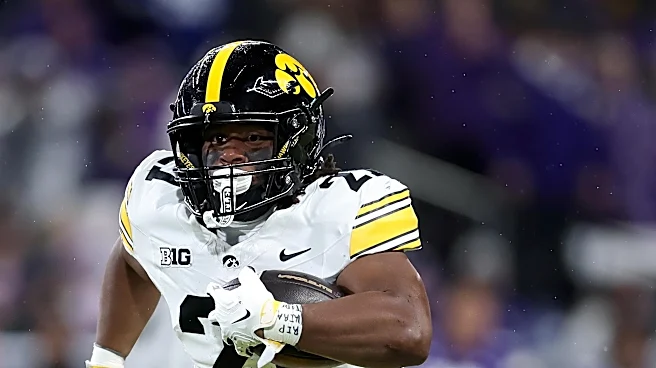
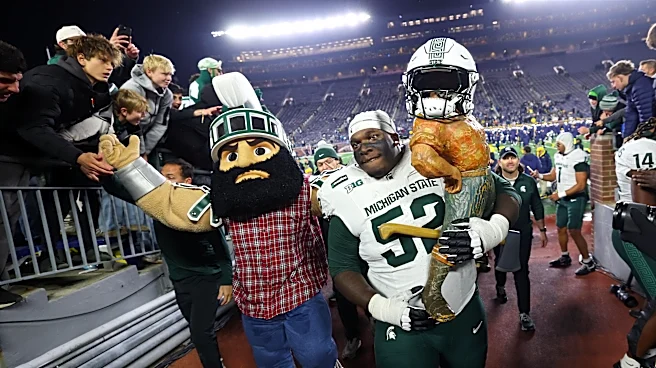
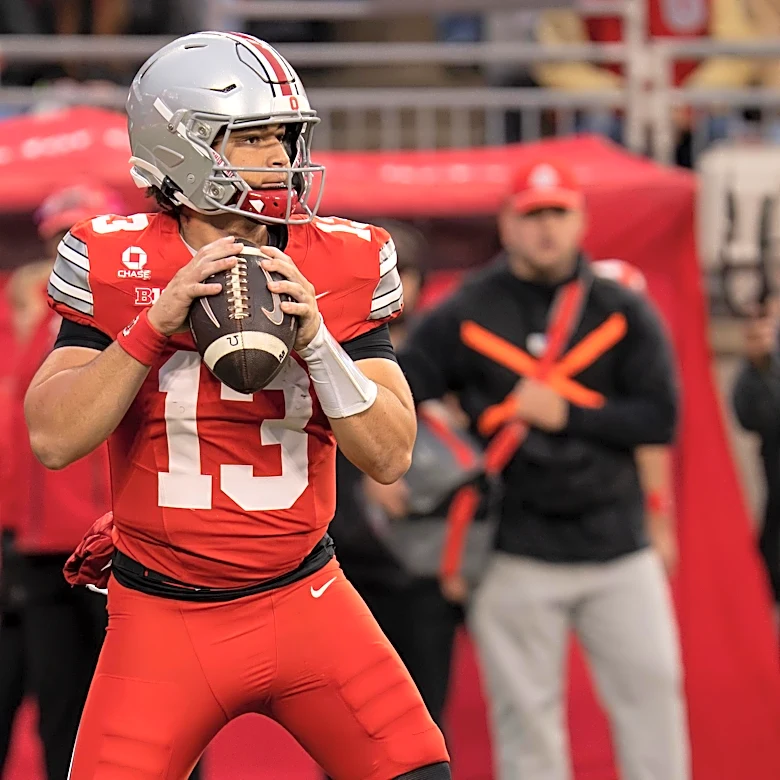
With Rutgers, Ohio State and Iowa remaining on the schedule, Nebraska has an opportunity to restore some confidence in the direction of the program. Beating Rutgers should be non-negotiable. Finding a way to knock off Ohio State or Iowa would provide a much-needed boost heading into what promises to be a hugely important offseason.
And the implications go well beyond the win-loss column.
Coaching Stability: One Major Piece Secured, Another Still Missing
Nebraska took an important step toward establishing some continuity this week by securing defensive coordinator Rob Aurich on an extended contract through the 2029 season.
It is a significant statement from the university and a deserved reward for a coach who has transformed the defense into one of the more reliable units in the Big Ten.
Through nine games, the Huskers are allowing just 282.4 yards and 16.6 points per contest. More importantly, the defense has consistently given Nebraska opportunities to win games, even when the offense has struggled to hold up its end of the bargain.
Retaining Aurich provides a foundation on which Rhule can continue building.
It also sends an important message to current players and recruits that Nebraska is prepared to invest in the people responsible for moving the program forward.
The other side of the ball is a different story.
The dismissal of Dana Holgorsen has left Nebraska searching for another offensive coordinator, with Glenn Thomas taking over play-calling duties for the remainder of the season.
Thomas deserves the opportunity to demonstrate what he can accomplish over the final three games. However, Nebraska cannot afford another prolonged period of uncertainty surrounding its offensive direction.
Rhule must identify a credible coordinator capable of developing quarterbacks, establishing a physical running game and getting the most out of the increasingly talented skill-position players coming through the program.
That does not necessarily mean rushing into an appointment. Getting the right person matters far more than winning the race to announce a hire.
But there is a difference between a thorough search and allowing uncertainty to linger.
Nebraska needs to demonstrate that it has a clear offensive identity and a long-term plan to implement it. With recruiting decisions approaching and the transfer portal becoming an increasingly important part of roster construction, the sooner that direction becomes clear, the better.
Aurich’s extension has brought some welcome stability to the defensive side of the program. Finding the right offensive coordinator would go a long way toward completing the picture.
Protecting a Recruiting Class That Could Change Nebraska’s Trajectory
Perhaps the most important reason for Nebraska to finish strongly is the collection of talent Rhule and his staff have assembled in the 2027 recruiting class.
Headlined by elite quarterback Trae Taylor, the class features the sort of high-end prospects Nebraska has struggled to attract consistently over the past decade.
Four-star wide receiver Khalil Taylor is another major addition, while players such as Bryce Williams, Nehemiah Ombati, Errol Demontagnac, Ma’atoe Moe and Barrett Kitrell represent significant investments in the future of the roster.
It is not simply the quality of the individual players that makes this class exciting. It is the potential to develop a group of talented young athletes together, creating the depth and internal competition needed to compete with the Big Ten’s established powers.
Nebraska has spent years attempting to close the talent gap with programs such as Ohio State, Oregon and Michigan. The 2027 class represents tangible progress toward achieving that goal.
But recruiting commitments are not binding until players sign, and Nebraska cannot assume its work is complete.
The Huskers have already experienced how quickly the landscape can change, with wide receiver Tay Ellis backing away from his commitment earlier this season.
The uncertainty surrounding the offensive coordinator position is particularly relevant to players such as Trae Taylor and Khalil Taylor, who need confidence in the offensive system they will be joining.
These recruits have bought into Rhule’s vision for Nebraska. They have seen the passionate fan base, experienced the atmosphere at Memorial Stadium and developed relationships with the coaching staff.
Now they need evidence that the program is continuing to move in the right direction.
That is where the final three games become so important.
A convincing victory over Rutgers would steady the ship, but a win over Ohio State or Iowa would provide something far more powerful: proof that Nebraska can turn competitive performances into victories against established Big Ten opponents.
There is no shortage of programs willing to pursue Nebraska’s most talented commitments. The Huskers need to ensure those players remain convinced that Lincoln is the right place to develop and compete for championships.
Keeping this class together could be one of the defining achievements of Rhule’s tenure.
CLICK BELOW TO VOTE IN THIS WEEK’S CORN NATION REACTS POLL
Retaining Experienced Players Could Be Just as Important as Recruiting New Ones
While much of the attention will naturally fall on the incoming recruiting class, Nebraska has another significant opportunity to strengthen its 2027 roster without looking outside the program.
A number of experienced players currently listed as seniors still have the option to return next season under the NCAA’s revised eligibility rules.
For a team that has invested heavily in building an older, more physically mature roster, retaining those players could prove enormously valuable.
The offensive line is perhaps the clearest example.
Gunnar Gottula, Brendan Black and Paul Mubenga are three current starters who could return in 2027. Tree Babalade also has the option to return, providing another experienced offensive tackle with significant playing time under his belt.
With Elijah Pritchett and Justin Evans expected to exhaust their eligibility, keeping the remaining experienced linemen would give offensive line coach Geep Wade a far stronger foundation heading into next season.
Instead of facing another substantial rebuilding project up front, Nebraska could retain much of the continuity it has worked so hard to establish.
That would be particularly important with Anthony Colandrea already committed to returning for another season.
Having an experienced quarterback operating behind a familiar offensive line would give Nebraska an excellent starting point, regardless of who eventually takes charge of the offense.
There are also important decisions to be made elsewhere on the roster.
Wide receivers Jacory Barney Jr., Kwazi Gilmer and Nyziah Hunter have opportunities to return, potentially giving the Huskers an experienced group of playmakers to complement their incoming recruits.
Defensive lineman Cameron Lenhardt is another player whose return would be hugely valuable, particularly given the importance of retaining experienced contributors in the trenches.
The challenge for Nebraska is convincing these players that returning to Lincoln offers the best opportunity to develop, win football games and improve their professional prospects.
That conversation becomes considerably easier when the program is demonstrating progress on the field.
In the modern transfer portal and NIL environment, roster retention is effectively another form of recruiting. Relationships, financial opportunities and player development all matter, but so does the belief that the program is heading somewhere worthwhile.
Nebraska cannot afford to spend another offseason replacing experienced contributors simply to get back to where it started.
Keeping a strong core of veterans, while adding the talent from its 2027 recruiting class, could allow the Huskers to take a meaningful step forward rather than begin another cycle of rebuilding.
Rutgers Is Non-Negotiable, but Nebraska Needs More
At 5-4, Nebraska needs one more victory to secure bowl eligibility. Given the expectations surrounding the program earlier in the season, simply reaching six wins would represent a disappointing outcome.
Nevertheless, failing to beat Rutgers would be considerably worse.
The Scarlet Knights represent Nebraska’s most realistic opportunity to end its losing streak and restore some confidence before the final two games.
A victory would not erase the frustration of the past month, but it would provide a starting point.
The real opportunity, however, lies in the games against Ohio State and Iowa.
Nebraska has demonstrated that it possesses the defensive quality to compete with strong opponents. What it has repeatedly failed to do is produce the offensive execution necessary to finish those games.
Finding a way to beat either Ohio State or Iowa would change the tone of the offseason considerably.
Suddenly, the conversation would shift away from another disappointing finish and toward a program that responded to adversity, secured a significant victory and demonstrated the ability to compete at a higher level.
For the coaching staff, it would provide credibility. For recruits, it would reinforce their decision to join Nebraska. For experienced players considering their futures, it would offer another reason to remain in Lincoln.
Those three areas are closely connected, and success in one can have a positive influence on the others.
The Next Three Games Are About More Than 2026
Rhule has spent much of his tenure attempting to build a program capable of competing consistently in the Big Ten.
There have been improvements in recruiting, roster depth, physical development and, most recently, defensive performance.
But Nebraska is approaching the point where those improvements must translate into victories.
The Huskers do not need to tear everything down and start again. There are too many encouraging pieces already in place for that to make sense.
What they need is stability, continuity and a clear direction.
Securing Aurich was an important first step. Finding the right offensive coordinator, keeping the 2027 recruiting class together and convincing experienced players to return are the next priorities.
All three will be influenced by what happens on the field over the coming weeks.
Beat Rutgers, find a way to upset Ohio State or Iowa, and Nebraska enters the offseason with renewed momentum and a credible case that better days are ahead.
Lose all three, and the questions surrounding the program become considerably more difficult to answer.
For Nebraska, the final three games are no longer simply about salvaging the 2026 season.
They are about protecting the progress already made and giving the 2027 team the strongest possible opportunity to finally take the next step.
GBR