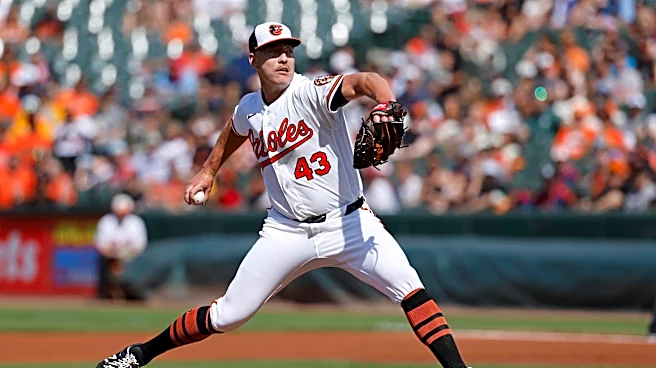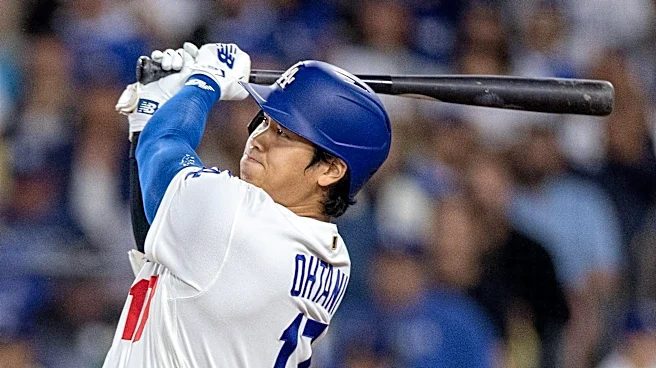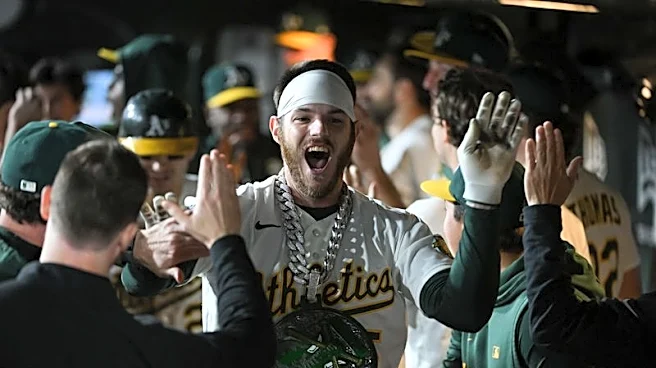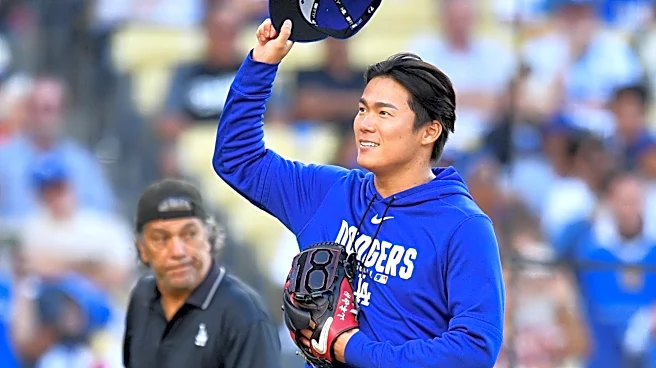








The Orioles were on their way to what might have been a feel-good win in their series opener against the two-time defending champion Los Angeles Dodgers. They carried a two-run lead into the bottom of the ninth on Friday night. Even against these guys, that should have been enough. Closer Ryan Helsley, fresh off the injured list, absolutely blew it instead, with a little help from his friends. Instead of a win, the Orioles get yet another feel-bad loss, one that tips them closer to the point where
there’s no coming back from this.
Before this west coast trip began, I decided that I was not going to stay up late watching these jokers. They aren’t worth it. I apologize for the belated recap that has stemmed from this decision. It will happen twice more before this road trip is over. I’m not actually that sorry, though, because waking up to this validates the decision. Imagine if I had stayed up and then had to write about this at 1 o’clock in the morning:
Let’s rewind this series of events a little bit. Helsley took the mound for the ninth with a two-run lead. This was his second outing since returning from the injured list. He was bad in the first outing two days ago, which was a non-save situation. After retiring the leadoff batter, Helsley turned it into a one-run cushion by giving up a home run to Mookie Betts. Although Betts has enjoyed a decades-long run as one of the game’s elite players, he entered Friday’s game with a .203/.266/.367 batting line. Don’t get beat by that guy! Helsley did, though.
Right after giving up that home run, Helsley walked the next batter, putting the tying run on base and bringing the winning run up to the plate. This is the strike zone plot of Max Muncy drawing this walk:

Look at those four green dots! Those are nowhere close to the strike zone. This guy had no idea where the ball was going. This was the time for the experienced closer to buckle down and make some good pitches and he did this. Helsley, come on, man! Once on base as the tying run, Muncy was replaced by a pinch runner.
The closer then got your hopes up by getting the second out on an easy popout. Just get the next guy and you’re good. That’s all. Helsley did not get the next guy. He walked Ryan Ward on four pitches. The four balls were not as egregiously out of the strike zone as the previous walk, so I’m not going to post that screenshot also, but still. This was bad and it sucks, and also, after this disaster, Helsley has a 5.11 ERA. If it’s late June and your closer has a 5+ ERA, you don’t have a closer. You have a tragedy.
Two on, two out, the tying run on second base, the winning run on first. What happened next is not, in its entirety, Helsley’s fault. I refer you to the above video. The tying run was always going to score on this batted ball. The winning run did not have to. It did anyway, thanks to the poor decision by Tyler O’Neill (who was, if you can believe it, a defensive replacement) to airmail the ball home instead of going for the cutoff man.
Maybe Samuel Basallo should have been more prepared for that possibility and ready to react to a bounce. I don’t know. He’s got his manager prepared to remark on his every fault, and this was apparently Craig Albernaz’s lead comment about the play in his post-game presser. Basallo doesn’t need me piling on. Anyway, Helsley wasn’t backing up the play properly so the errant bounce led to the winning run scoring. What a stupid way to lose. What a 2026 Orioles way to lose.
This could have been a feel-good win! The Orioles erased a 3-0 deficit by scoring three runs in the sixth inning. Gunnar Henderson and Pete Alonso each homered as part of that rally. The O’s took a 5-3 lead in the seventh when the bottom of the lineup loaded the bases and Jeremiah Jackson delivered a two-run single to put the team on top for the first time all game. The people who say that this team has no fight are regularly proven wrong. That’s not their problem. Their problem is just the roster isn’t good enough, no matter how much it feels like it should be.
The Orioles were in that 3-0 deficit as a result of early struggles by the starting pitcher, Trey Gibson. His final line looks pretty bad: Seven hits and four walks in five innings, allowing three runs, all earned. When your WHIP for the game is over 2, it’s tough to say it was a good day. And indeed, it wasn’t.
Still, Gibson can probably feel okay about the outing. He did a fine job of limiting the damage. After giving up a pair of first inning runs and one more in the second, the Dodgers loaded the bases against Gibson with no one out in the third. He was on the ropes and on the way to a complete disaster. Gibson pulled out his best pitch, the so-called death ball, and struck out the next three Dodgers batters in order to hold the line.
As it turned out, stopping the bleeding was crucial. The Orioles, much later in the game, did mount a comeback that would have been a lot tougher, if not impossible, if Gibson had totally fallen apart in the third. That’s a plus for Gibson and something that will hopefully serve him well in future starts, when he’s facing teams that aren’t the Dodgers.
The Orioles, however, are beyond a point where we can take comfort in little moral victories. They need actual victories. They are 35-42. They are an awful 13-23 on the road. They have earned these records. They are not a good team and they do not play well for more than a few games at a time. Most often, they play badly and lose. Sometimes, as in Friday night, they still manage to surprise you with how dumb it is when they lose. By now, we should all know better, but it’s still hard to accept about this team.
The other downside about blowing this one is that looming here later on Saturday night is Yoshinobu Yamamoto. Starting for the Orioles in the 10:10 game is Trevor Rogers. As you know, this is not a good thing in the 2026 season. I also won’t be staying up late for this one. I suggest you don’t do it either. They’re not worth it.