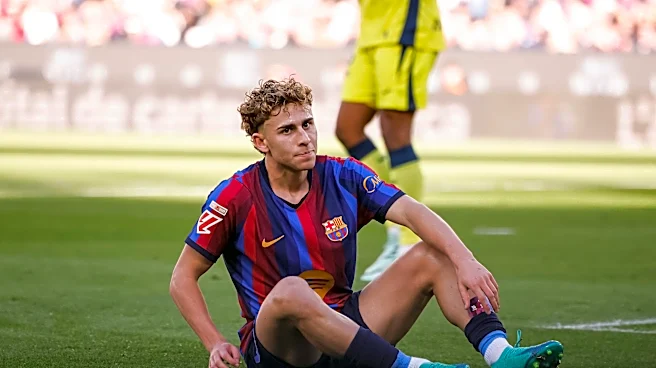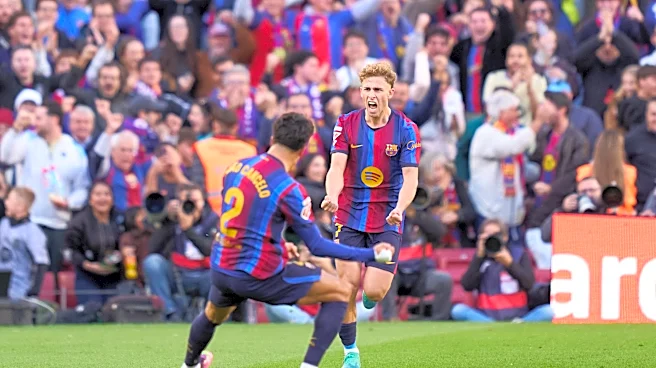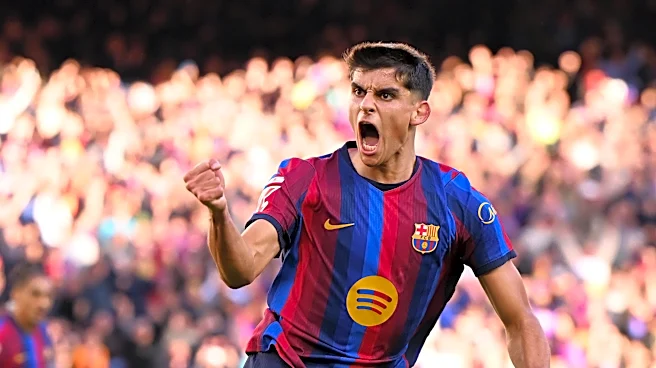



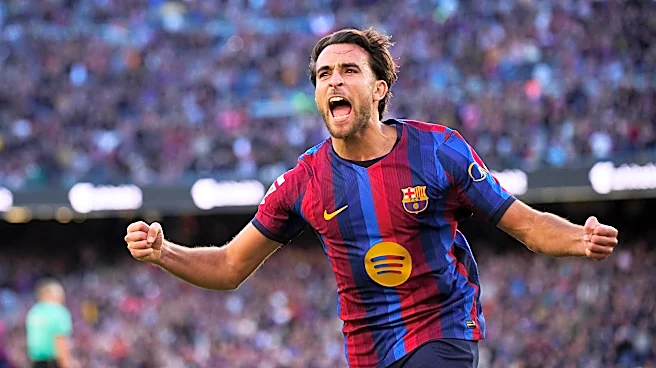
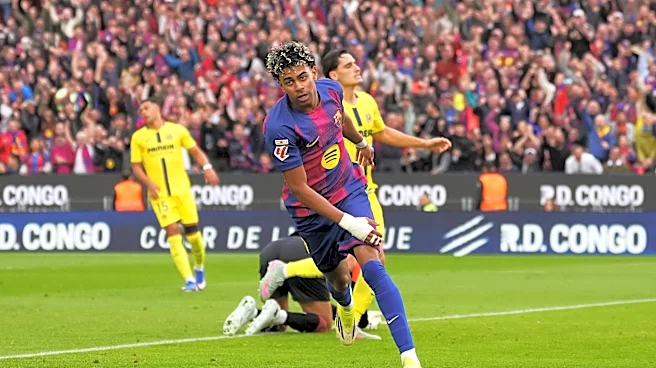
With FC Barcelona trailing Villarreal 0-2, the Catalans received a lifeline from a corner that ended up in a Gerard Martín header into the net to make it 1-2. The match ended 3-2, with a goal from Fermín López and an own goal from Pau Navarro burying Villarreal.
The genesis of the goal was a shot from João Cancelo, which rocked off the post. The referee gave a corner, but there was legitimate doubt whether a defender or goalkeeper Péter Gulácsi deflected it beforehand. The corner was quickly taken
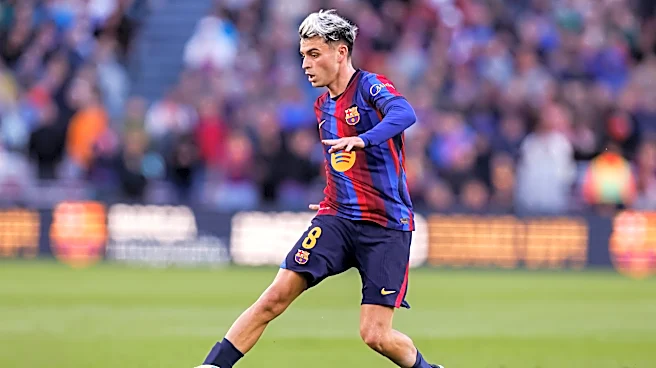
by Cancelo, who played it short to Pedri, who crossed it in for Martín and the goal.
Villarreal protested that the corner was incorrectly given, and thus the goal should be disallowed by VAR. According to a new protocol from IFAB, which leagues can take on optionally, wrongly given corners can be overturned.
Here’s why it was not overturned, even as replays did seem to suggest the ball did not touch a Villarreal player before going out. Under the current laws, VAR can go back during a long sequence and overturn a goal if something was missed during what is called the Attacking Possession Phase, or APP. The APP begins from the time the play is blown dead (for example, a corner), when the attacking team recovers possession, or if the attacking team allows the defending team to reset and slows down their attack, even while retaining possession.
The APP can stretch for a long time, as it is not based on time or number of passes. But crucially, it cannot extend beyond the play being blown dead. Once you take a corner, you are in a new APP.
What VAR can do instead is overturn a wrongly given corner, but only if it is done quickly enough, before the attacking team restarts play by taking the corner. Once the corner is taken, VAR cannot intervene, including after a goal is scored.
Barcelona took the corner quickly enough that VAR did not intervene and overrule the corner to award a goal kick instead. Because of that, the goal could not be overturned as soon as it was taken by Cancelo with a short pass to Pedri.