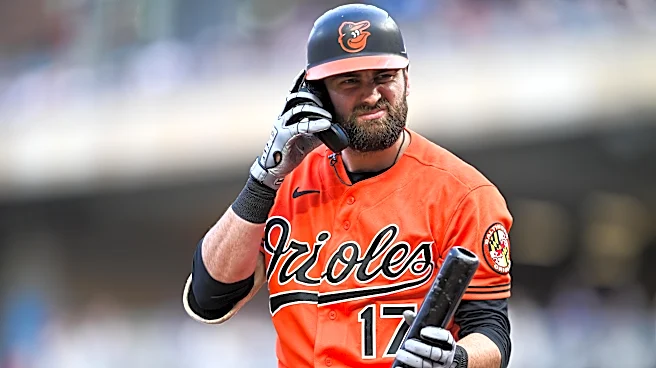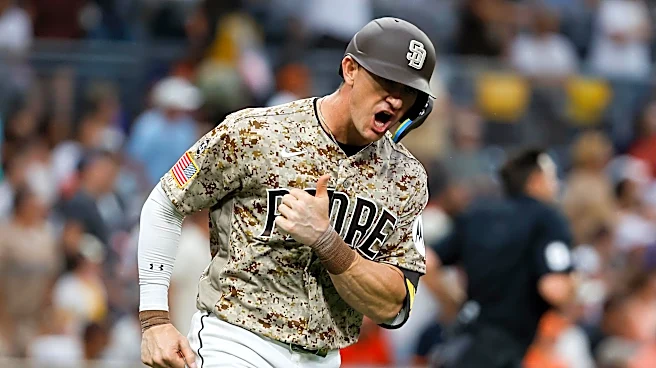

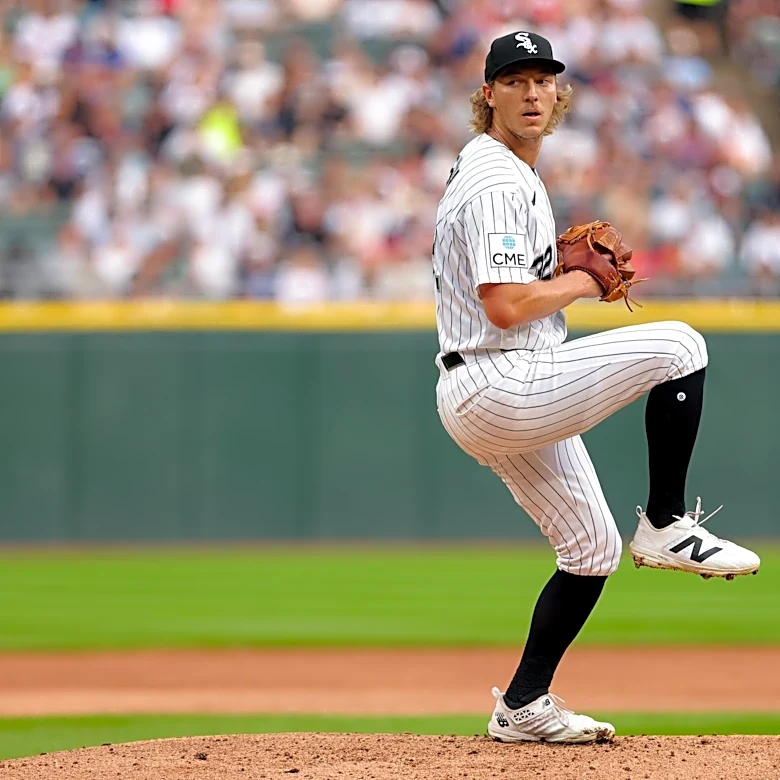
It’s been over a week since the most disheartening trade deadline sales job in Orioles history, and not much has changed for these Orioles. After last night’s loss in Minnesota, the O’s still find themselves just below .500, tantalizingly close to a Wild Card spot but with the foreboding sense that Baltimore will never actually reach that playoff berth. So not much has changed, if you can ignore the gaping hole left in the heart of Birdland by Adley Rutschman and others.
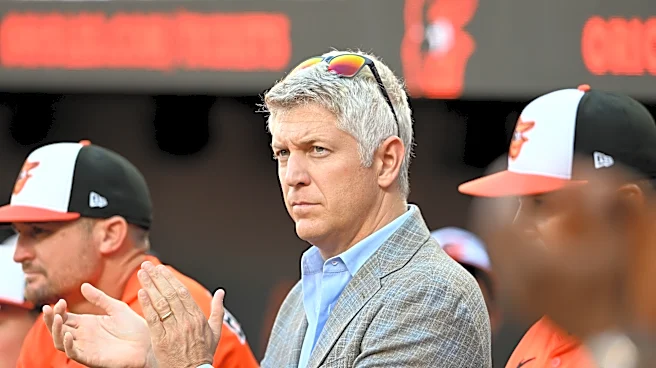
The most recent sell-off by
Mike Elias and the front office was the sixth time in eight seasons that the Orioles have conceded being sellers at the trade deadline. In terms of overall talent leaving the organization, the 2026 sale probably ranks just behind the great purge of 2018.
The idea behind being sellers is clear; non-contending teams trade win-now assets at inflated prices in order to acquire younger, more controllable players who might better fit a future timeline for contention. Some of the rhetoric coming out of Elias’ office after this trade deadline threw around phrases like “improving overall organizational health” and “setting us our team up for the future.” And in a sport as fickle as baseball, there’s some sense in the idea that you can’t always play to win right now.
However, just because we can explain why a team like the 2026 would be sellers doesn’t mean that it actually works. Seriously think about all the times that the franchise trading away the established star actually got a player back who ended up being as good or better than the one they traded away. It’s not a long list. It’s an even shorter list for an Orioles franchise that has not typically come out a winner in their fire sales.
So with the recent disappointment of the 2026 trade deadline fresh in our minds, let’s look back at the recent sell-offs to see if any ended up benefitting the O’s in the long run.
The Great 2018 Fire Sale
Players traded away: 3B Manny Machado (LAD), RHP Brad Brach (CHC), RHP Darren O’Day (ATL), RHP Kevin Gausman (ATL), LHP Zach Britton (NYY), 2B Jonathan Schoop (MIL)
Notable players received: RHP Dean Kremer, RHP Dillon Tate, LHP Bruce Zimmermann, INF Jonathan Villar, RHP Evan Phillips.
After not selling in any of his first seven seasons with the franchise, previous GM Dan Duquette executed the biggest fire sale in franchise history, trading away the vast majority of the core players that led the O’s playoff appearances in 2012, 2014 and 2016.
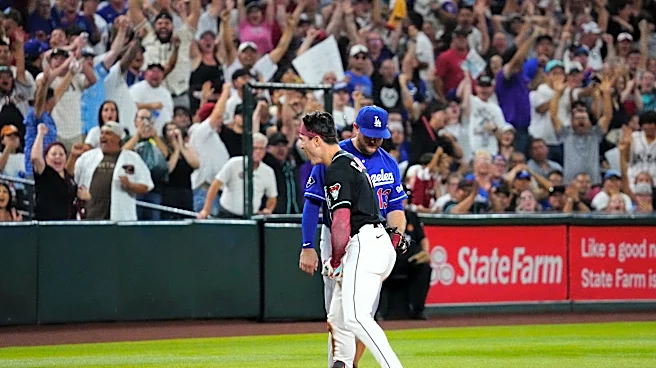
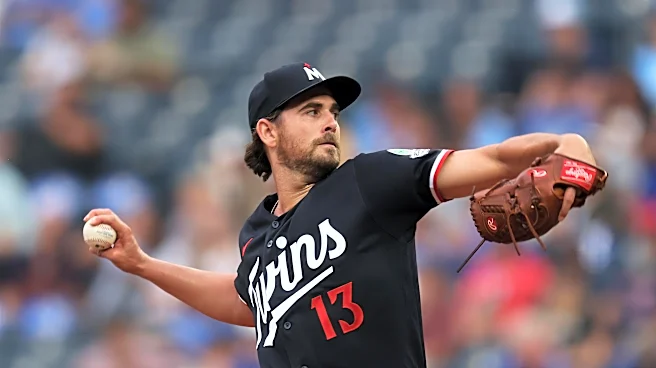
The Machado trade was the biggest in terms of outgoing star power, but is also the most confusing to grade. The presumptive future Hall of Famer only stayed with the Dodgers for half a season, ultimately being most remembered for striking out for the final out of the World Series in a losing effort for the Red Sox. Of all these trades, Kremer was the player who featured the most for the Orioles. The right-hander made 130 starts and posted a 4.37 ERA and 6.1 bWAR across seven seasons for the O’s before being shipped to Minnesota last week. The fact that the presumptive centerpiece of the Machado trade, OF Yusniel Díaz, only ever had one AB for the Orioles is a useful illustration of how the prospects in these trades can often become nothing more than losing lottery tickets.
Tate (acquired in the Britton trade) and Villar (acquired in the Schoop trade) both made decent impacts in black and orange. The former served as a reliable member of the bullpen in the 2021 and 2022 seasons, while the latter had a career year for the Orioles in 2019 before being flipped to the Marlins in the 202o offseason.
The biggest L the Orioles took at the 2018 trade deadline was the move that saw Gausman (and O’Day) head to the Braves. Injuries prevented O’Day from being a real contributor after leaving Baltimore, but Gausman has since developed into a two-time All-Star and multi-time Cy Young vote-getter. The fact that the only future major leaguers the O’s got back for the eventual All-Star were replacement-level players in Zimmermann and Phillips is certainly disappointing in retrospect.
Trading away López and Mancini in 2022
Players traded away: RHP Jorge López (MIN) and 1B Trey Mancini (HOU)
Notable players received: RHP Yennier Cano, LHP Cade Povich
The Jorge López trade is perhaps the only definitive trade deadline win for the Mike Elias-led front office. After an All-Star first half in 2022, López was a dud in Minnesota and ended up being traded away less than a year later. Cano, on the other hand, went from trade filler to 2023 All-Star to bullpen staple that recently earned a two-year extension. Povich has given the Orioles 41 starts of replacement-level play, but with the potential to either develop into a reliable back-end rotation piece or the next Keegan Akin as a multi-inning lefty reliever.
It once looked like the Mancini trade would also land in the win column for Elias, but former top pitching prospect Chayce McDermott never established himself at the big league level. The other pitcher acquired in the trade—Seth Johnson—was later used to acquire reliever Gregory Soto.
The 2025 season fire sale
Players traded away: OF Ramón Laureano (SD), IF/OF Ryan O’Hearn (SD), RHP Bryan Baker (TB), LHP Gregory Soto (NYM), RHP Seranthony Domínguez (TOR), OF Cedric Mullins (NYM), RHP Andrew Kittredge (CHC), RHP Charlie Morton (DET), IF Ramón Urías (HOU)
Notable players acquired: LHP Boston Bateman, SS Wilfri De La Cruz, IF Brandon Butterworth, IF/OF Victor Figueroa
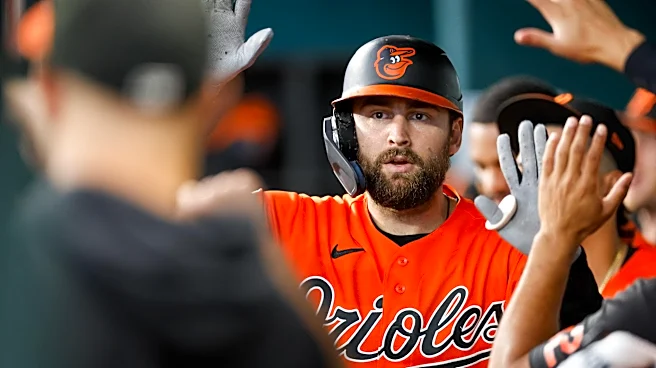
Only a year after last year’s sell-off that saw nine players from the major league traded elsewhere, it’s too early to really know what the Orioles got in return for fan favorites like Ryan O’Hearn and Cedric Mullins and a litany of pitchers. However, only Bateman and De La Cruz currently rank in the Orioles Top 30 prospects. The towering 20-year-old left-hander (acquired in the Laureano/O’Hearn trade) has a 4.09 ERA with 95 Ks in 70.1 IP for Frederick and is currently the O’s No. 10 prospect.
De La Cruz is 18 and in Rookie ball, so, despite his ranking, it’s nearly impossible to put a value on him. However, both Butterworth and Figueroa (also acquired from the Padres) have put up good numbers between Frederick and Chesapeake this season and feel like players who could one day make the majors.
The deal the O’s probably wish they could take back was the one that sent Baker to Tampa for a competitive balance pick. Baker has since blossomed into an All-Star closer for the Rays, while the O’s used that pick on high school OF Slater de Brun, who was in turn traded back to Tampa for Shane Baz.
There’s also a certain measure of disappointment in the fact that Elias hasn’t used more of these prospects to make improvements at the big league level. Of the glut of prospects acquired last year, only de Brun and Wellington Aracena (acquired from the Mets for Soto) have since been traded as part of deals for Baz and Blaze Alexander. The actual impact of the other minor leaguers acquired by the Orioles likely won’t be felt for years if ever.
The verdict
The Orioles’ history of selling players at the deadline is largely one that sees them trade stars for players who (at best) become mediocre major leaguers. In the last decade, every decision to sell has seemingly perpetuated a mindset of playing for the future that has kept the Orioles from sustaining success. The level of prospect the Orioles received in this most recent sale is higher than those of years past. However, history says that won’t matter because those prospects will arrive at a team always looking for their next opportunity to sell.