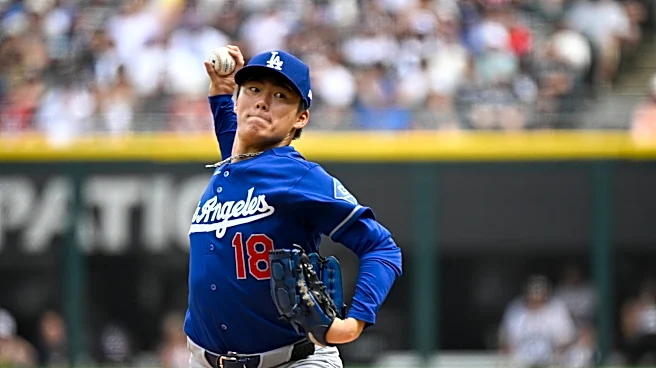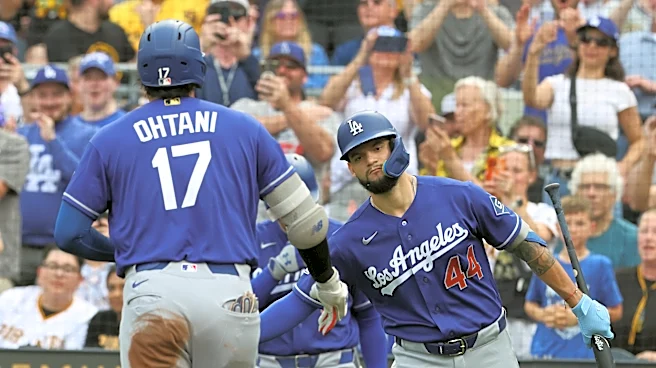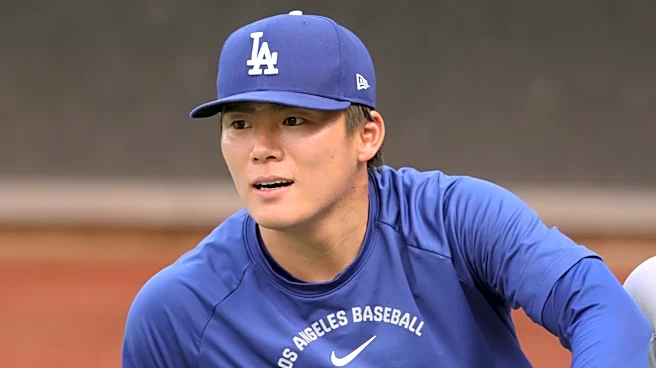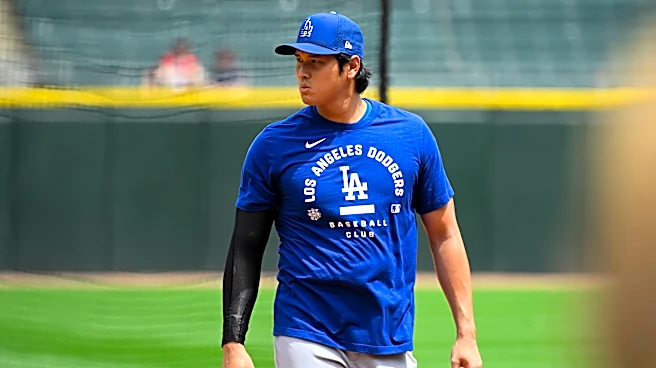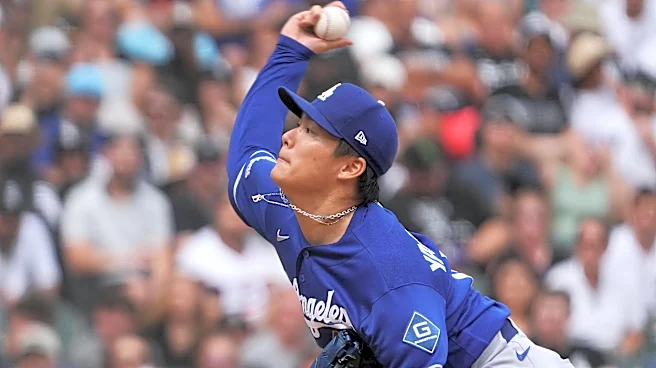





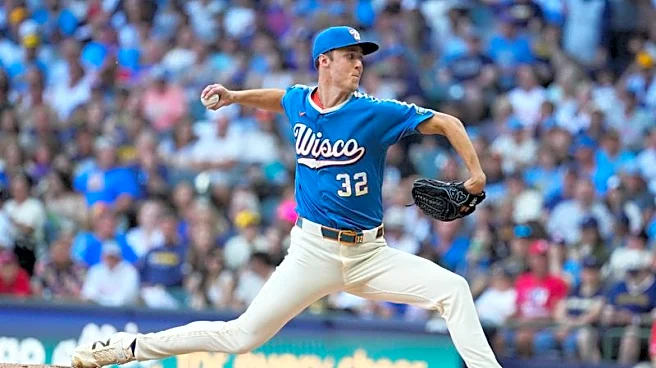
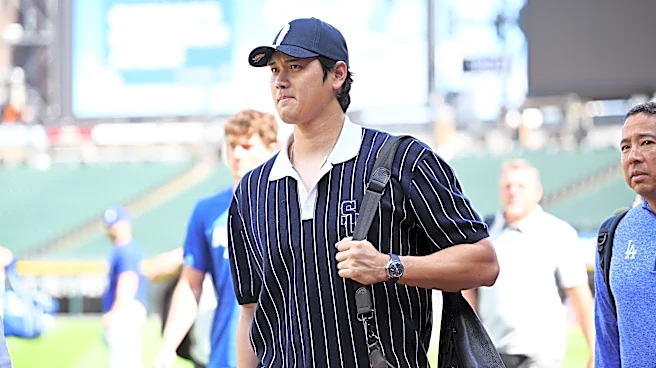


Shohei Ohtani is back; he homered to open the scoring in what turned out to be a 7-1 Dodgers win, and yet he takes a backseat in the storyline of this game as Yoshinobu Yamamoto toyed with perfection—not allowing a single baserunner through the first 7.2 innings—carrying a no-hit bid into the ninth inning before Tristan Peters took care of it with a solo shot. Dating back to his previous performance against the Angels, Yamamoto went as far as retiring an absurd 45 straight batters, and for the second
straight appearance, tossed eight innings of one-run ball, allowing a combined three hits.
Forget recording a hit; even lifting the ball in the air was a massive challenge for the White Sox, who, through the first seven innings, recorded only a pair of flyouts. Specifically for this game, Yamamoto found himself with a little extra zip on the fastball with an average velocity 1.2 MPH higher than his season average, and he took advantage of it. The Dodgers’ starter defaulted to his four-seamer far more regularly than he has in 2026, and the success behind his performance evidently justified that choice. Although it should be noted that Peters’ home run in the ninth came on a poorly located fastball with not enough zip to miss his bat, as the Dodgers starter was already over 100 pitches at that point.
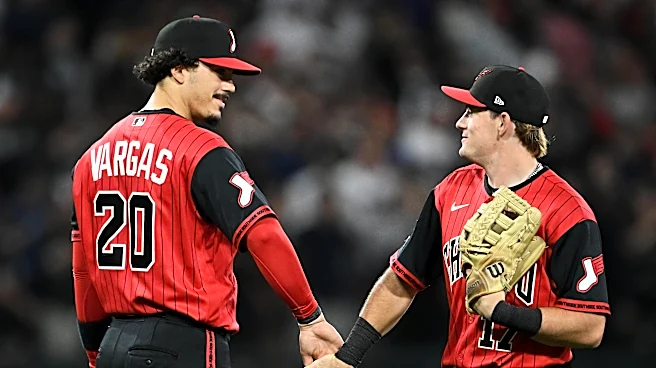
Shortly before that home run, though, the perfect game bid ended in brutal fashion—there were two outs at the bottom of the eighth when the White Sox would put their first man on via an error. Chase Meldroth hit what was by all accounts a routine grounder to short, and Mookie Betts couldn’t collect it cleanly, allowing the White Sox’ second baseman to reach base. Going back to the events in Baltimore a year ago, Yamamoto is establishing similarities with Dave Stieb as a bit of a no-no specialist, well before eventually recording one.
For the Dodgers offense, much like it was the case against the Angels, once again they rewarded Yamamoto’s outstanding performance with a slugfest that left no doubts about the winner of this game. As stated at the top, the scoring began early when Ohtani knocked one out of the yard to lead off the game.
Lacking in the power department on what are the inhuman standards he has set for himself, Ohtani briefly tied Max Muncy for second place in homers on the team with 14. However, it was Muncy’s day to shine, hitting not one but two long balls, one in the first and one in the eighth. In doing so, Muncy overtook Andy Pages for the team lead in homers, with 16, and became the main driving force behind this seven-run effort on the road.
What’s even more impressive is that had the Dodgers supplemented their power output with a bit more quality with runners in scoring position—finishing the game 1 for 11 in such instances—they could’ve easily gotten into the double digits. In the end, they didn’t need much with Yamamoto dismantling the White Sox lineup, leaving the game to a standing ovation after recording the first out in the ninth.
Game particulars
- Home runs— Shohei Ohtani (14), 2 Max Muncy (16)
- WP— Yoshinobu Yamamoto (7-4): 8.1 IP, 1 hit, 1 run, 7 strikeouts
- LP— Sean Burke (3-4): 4 IP, 6 hits, 4 runs, 5 walks, 6 strikeouts
Up next
Emmett Sheehan and the veteran Erick Feede will be the protagonists in an early Sunday matchup for West Coast viewers as the Dodgers and White Sox will meet for the final time in Chicago this season, first pitch at 11:10 a.m. PT.