

Manchester United have endured their worst start to a season in four decades, dating back to November 1986, when Sir Alex Ferguson replaced Ron Atkinson in the Old Trafford dugout. It would prove to be one of the greatest midseason managerial appointments in football history, with Ferguson going on to deliver 13 league titles and two Champions League crowns before retiring in 2013.
Since then, however, United have suffered a staggering decline, cycling through managers, squandering hundreds of millions
in the transfer market and gradually slipping from perennial title contenders to relegation strugglers. Their downfall has reached a new low in November 2026, with the Red Devils languishing in the bottom three of the Premier League.
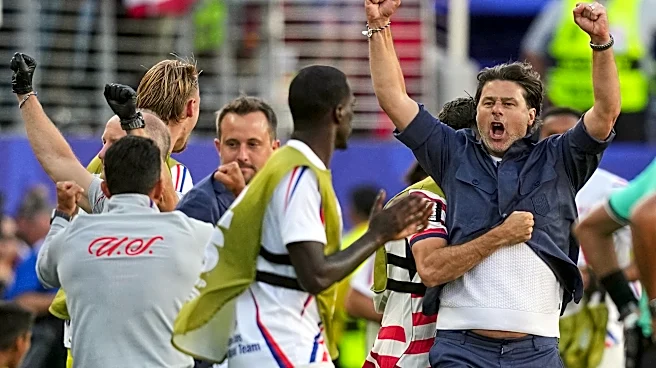
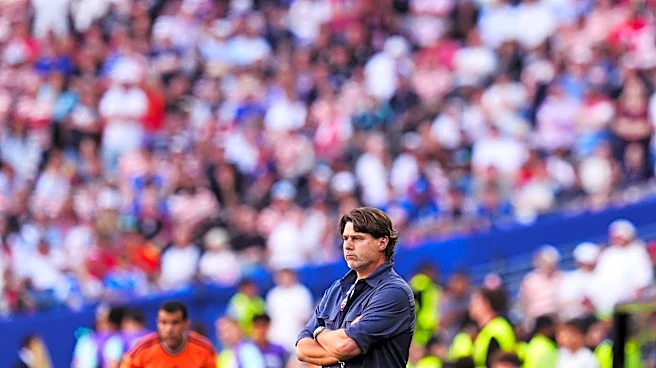
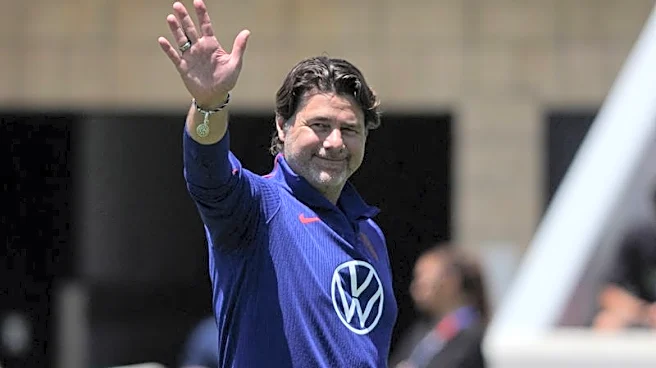
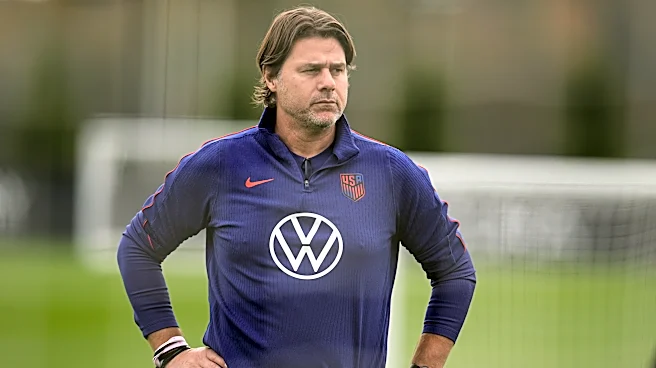
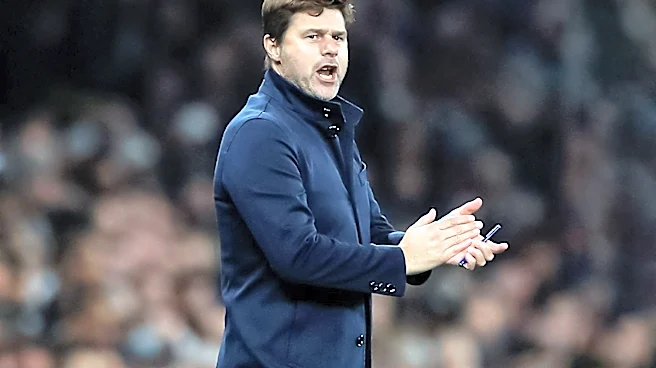
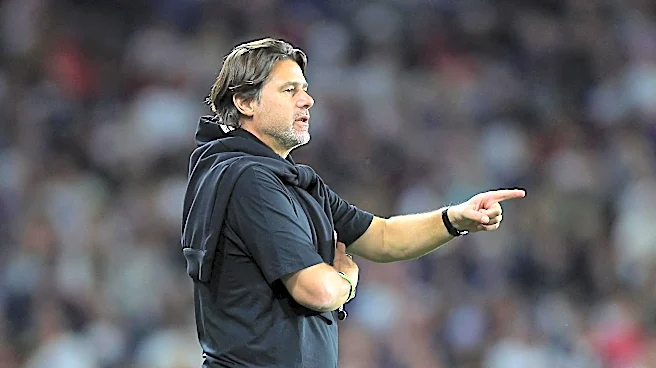
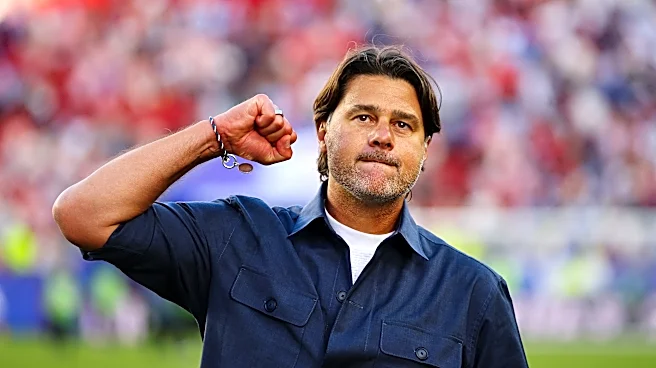
Now, United are turning to Mauricio Pochettino in the hope that the Argentine can steady the ship and steer them away from the relegation zone. But if the post-Ferguson era has taught us anything, it’s that changing managers midway through a season is no guarantee of a turnaround. With that in mind, we’re ranking Manchester United’s eight midseason managerial appointments since Ferguson’s retirement, from worst to best.
8. Darren Fletcher
Darren Fletcher was tasked with restoring some semblance of stability following the collapse of Ruben Amorim’s tenure, but his brief spell in the dugout did little to stop United’s downward spiral. The former Scotland international oversaw a draw at Burnley and an FA Cup defeat to Brighton before handing over the reins to Michael Carrick.
Fletcher’s tenure was too short to make a lasting impact, but it nevertheless epitomized the chaos engulfing Old Trafford, with United desperately searching for answers to problems that extended far beyond the touchline.
7. Ruben Amorim
Two years ago, Manchester United splashed out €11 million to prise Ruben Amorim away from Sporting CP, hoping the Portuguese tactician could replicate the success that had transformed him into one of Europe’s most coveted young managers.
After ending Sporting’s 19-year league title drought and guiding them to another Portuguese championship in 2024, Amorim arrived in England with a reputation for tactical innovation and an unwavering commitment to his 3-4-3 system. However, his methods failed to translate to the Premier League, with United slumping to a 15th-place finish in 2024/25 and losing the UEFA Europa League Final.
Amorim departed with a record of 24 wins, 18 draws and 21 defeats in 63 matches across all competitions, giving him a win percentage of just 38%. It was the lowest of any permanent Manchester United manager since Ferguson’s retirement, with only interim boss Ralf Rangnick (37%) faring worse.
Rather than ushering in a new era of success, Amorim’s appointment plunged United deeper into the wilderness.
6. Ralf Rangnick
Few figures have left a greater imprint on modern German and Austrian football than Ralf Rangnick. From transforming Hoffenheim into a Bundesliga force to laying the foundations for RB Leipzig’s meteoric rise and reshaping Red Bull Salzburg’s recruitment strategy, Rangnick built his reputation as one of European football’s foremost tactical innovators.
Unfortunately for United, the man dubbed the “Godfather of Gegenpressing” proved incapable of implementing his philosophy at Old Trafford.
Appointed interim manager in November 2021 following Ole Gunnar Solskjaer’s dismissal, Rangnick struggled to instill his high-intensity pressing approach in an underperforming squad. United eventually limped to a sixth-place finish, recording their lowest Premier League points tally at the time.
Rangnick had initially agreed to remain at United in a consultancy role for another two years, potentially giving him the opportunity to reshape the club’s recruitment and sporting structure. Instead, he departed in the summer of 2022 to focus on managing Austria, leaving behind another failed experiment at Old Trafford.
5. Ryan Giggs
Less than a year after celebrating their 13th Premier League title under Ferguson, Manchester United found themselves stumbling through one of the most disastrous title defenses in their history.
David Moyes had been handpicked to succeed his fellow Scotsman, but his reign unraveled spectacularly, prompting United to dismiss him in April 2014 and hand the reins to club legend Ryan Giggs.
The Welshman stepped into the unfamiliar role of interim player-manager, overseeing two wins, one draw and one defeat in United’s final four matches. Although he briefly lifted the mood at Old Trafford, Giggs was unable to salvage a season that ended with United finishing seventh and missing out on European qualification.
His appointment was ultimately little more than a temporary solution, with Louis van Gaal arriving that summer to spearhead the club’s next rebuild.
4. Michael Carrick
After spending 12 trophy-laden years at Old Trafford, Michael Carrick hung up his boots in 2018 and transitioned into coaching, working under Jose Mourinho and Ole Gunnar Solskjaer before being thrust into the managerial hot seat following the latter’s dismissal in November 2021.
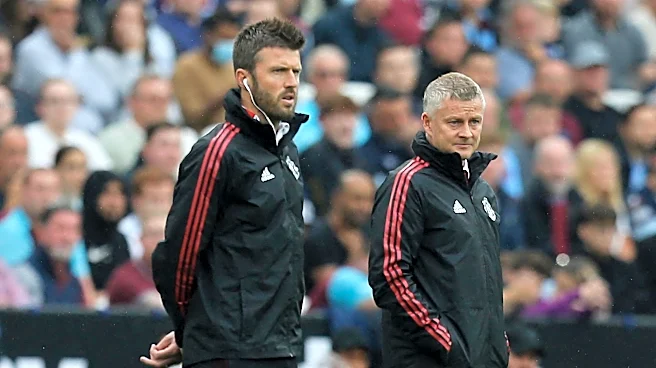
Despite his lack of senior managerial experience, Carrick made an immediate impression. He guided United to a Champions League victory at Villarreal, secured a hard-fought draw at Chelsea and oversaw a thrilling 3-2 win against Arsenal, ending his three-match tenure unbeaten.
Nevertheless, Carrick stepped aside to make way for Ralf Rangnick, whose subsequent struggles only strengthened the argument that United should have allowed their former midfielder to see out the campaign.
It would take another four years for Carrick to receive a second opportunity in the Old Trafford dugout.
3. Ruud van Nistelrooy
Eighteen years after departing Manchester United as one of the most prolific strikers in the club’s history, Ruud van Nistelrooy returned to Old Trafford in the summer of 2024, joining Erik ten Hag’s coaching staff.
However, with United enduring another miserable start to the season, Ten Hag was dismissed in October, paving the way for Van Nistelrooy to take charge on an interim basis. The Dutchman wasted no time making his mark, overseeing two victories against Leicester City, a Europa League triumph over PAOK and a draw against Chelsea. United scored 11 goals in his four matches, offering a glimpse of the attacking fluency that had been sorely lacking under Ten Hag.
Van Nistelrooy departed unbeaten after Amorim’s arrival, having done enough to convince Leicester City to appoint him as their next manager. His brief return to Old Trafford also served as a reminder of how former players can return to their clubs in new roles, a journey that the next generation of footballers will be hoping to emulate. Among those looking to forge their own legacy isLAFC youngster Jude Terry, who has already made the leap from the academy to the first team while helping LAFC2 reach the MLS NEXT Pro Cup Final.
2. Michael Carrick (again)
When Michael Carrick returned to the Old Trafford dugout in January 2026, Manchester United were languishing in seventh place, with their hopes of Champions League qualification hanging in the balance. What followed was one of the most remarkable midseason revivals of the post-Ferguson era.
Carrick revitalized a struggling squad, restored confidence to a disillusioned dressing room and transformed United into one of the Premier League’s most formidable teams. The Red Devils surged up the standings, eventually finishing third and securing their return to Europe’s elite competition.
His achievements earned widespread praise and convinced United’s hierarchy to hand him the permanent position. However, the honeymoon period proved painfully short-lived. Carrick struggled to build on his initial success, with United suffering a disastrous start to the 2026/27 campaign before his dismissal.
Nevertheless, his first six months in charge remain one of the most successful short-term managerial spells United have enjoyed since Ferguson’s retirement.
1. Ole Gunnar Solskjaer
Few managerial appointments have captured the imagination of Manchester United supporters quite like Ole Gunnar Solskjaer’s return in December 2018.
Having scored the dramatic winning goal in the 1999 Champions League Final, Solskjaer was already immortalized in Old Trafford folklore. Nearly two decades later, he returned as interim manager following Jose Mourinho’s dismissal, inheriting a fractured dressing room and a team that had lost its identity.
The Norwegian’s impact was immediate. United won his first eight matches across all competitions and went unbeaten in his first 12 Premier League fixtures, with Solskjaer restoring the attacking freedom and confidence that had been missing during Mourinho’s final months.
His crowning achievement came in March 2019, when an injury-ravaged United side overturned a 2-0 first-leg deficit against Paris Saint-Germain to reach the Champions League quarterfinals. Marcus Rashford’s stoppage-time penalty completed one of the most extraordinary European comebacks in the club’s history and helped convince United to appoint Solskjaer permanently.
However, the fairytale eventually lost its magic. United’s form deteriorated toward the end of the season, and they finished sixth, missing out on Champions League qualification.
Solskjaer would subsequently guide United to consecutive top-three finishes before being dismissed in November 2021, but his initial resurgence remains arguably the most electrifying managerial bounce United have experienced in the post-Ferguson era.
More than anything, his appointment offered a reminder of what Manchester United had once been: a club defined by attacking football, dramatic comebacks and an unshakable belief that anything was possible.