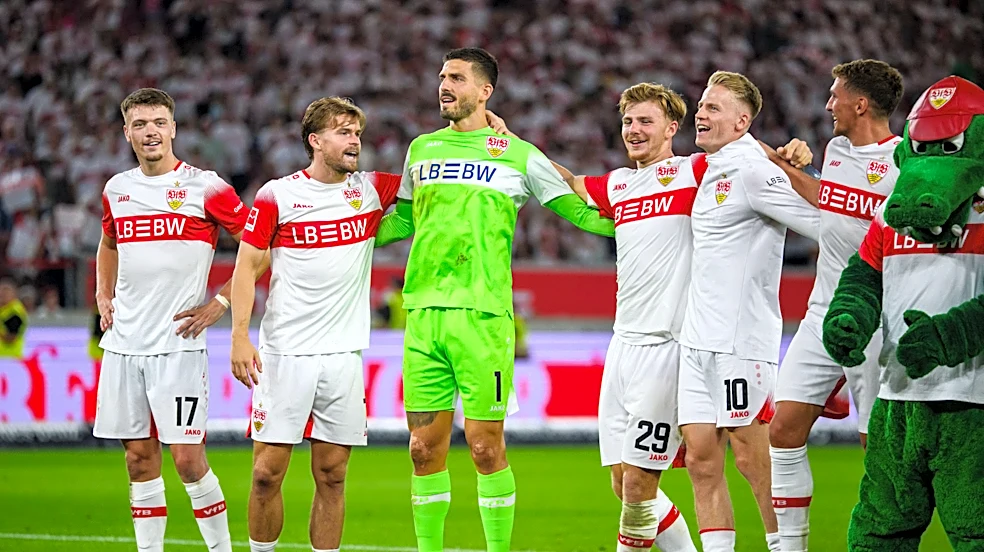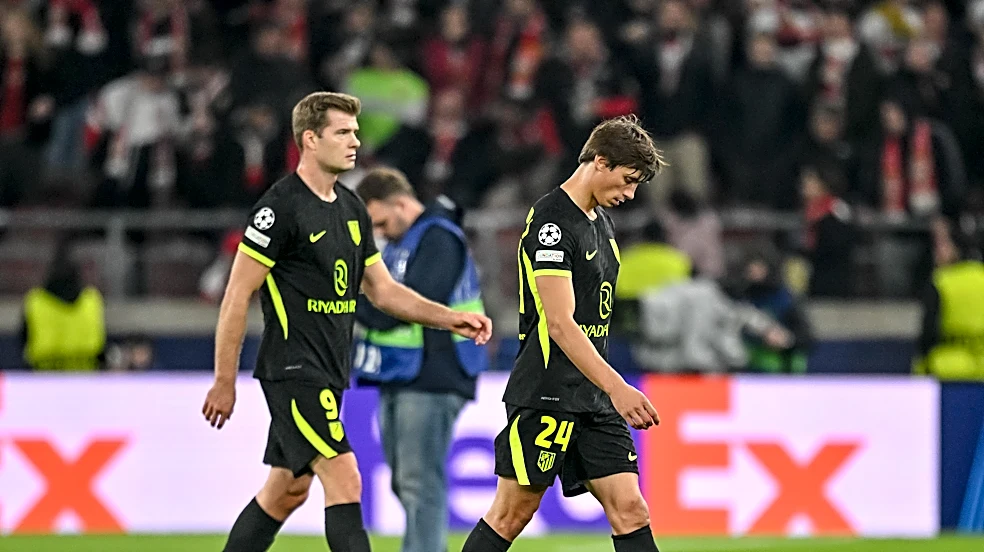


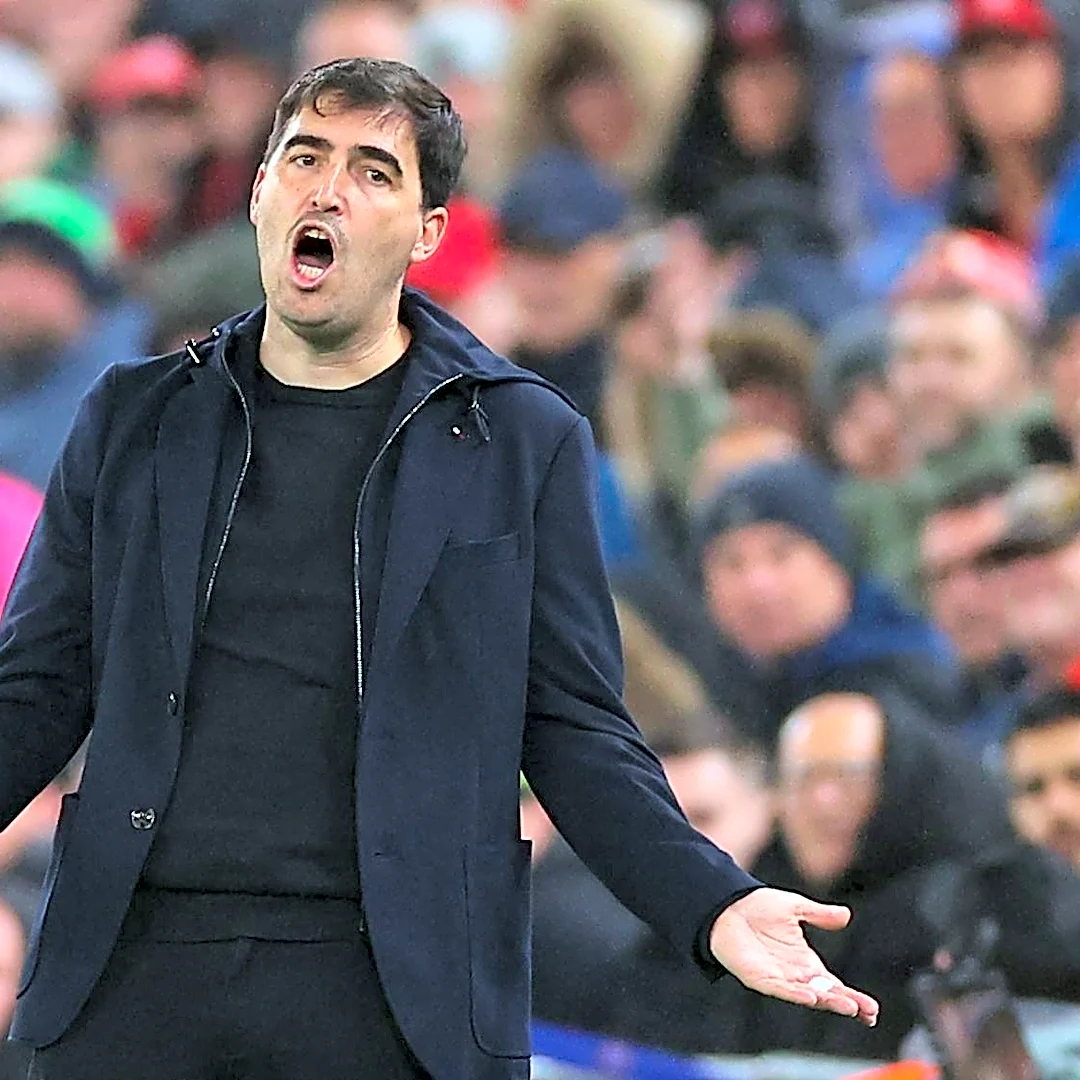
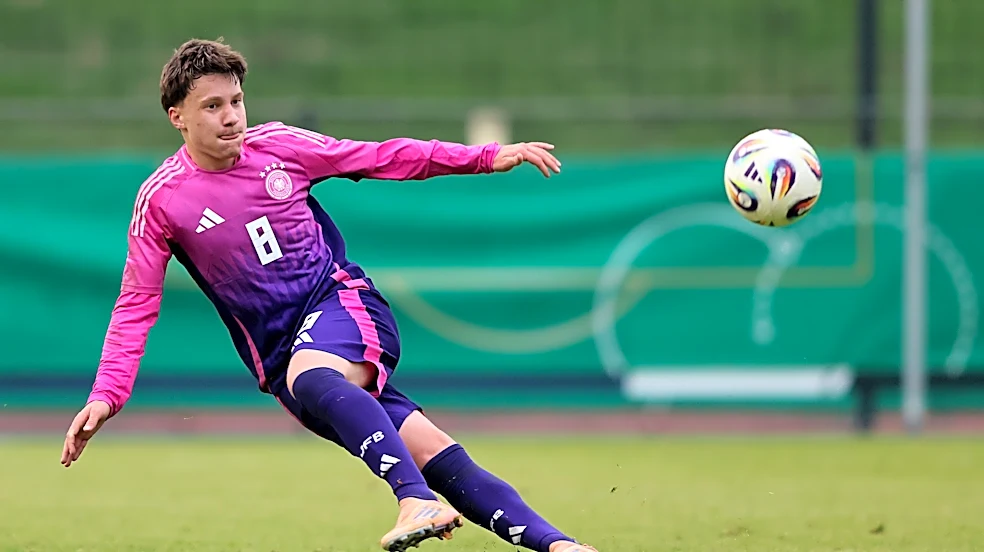
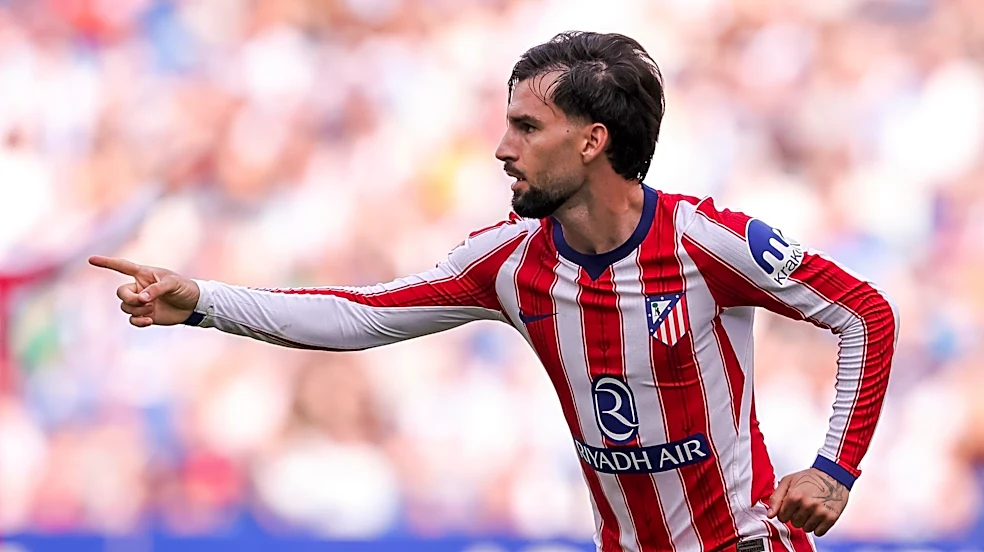
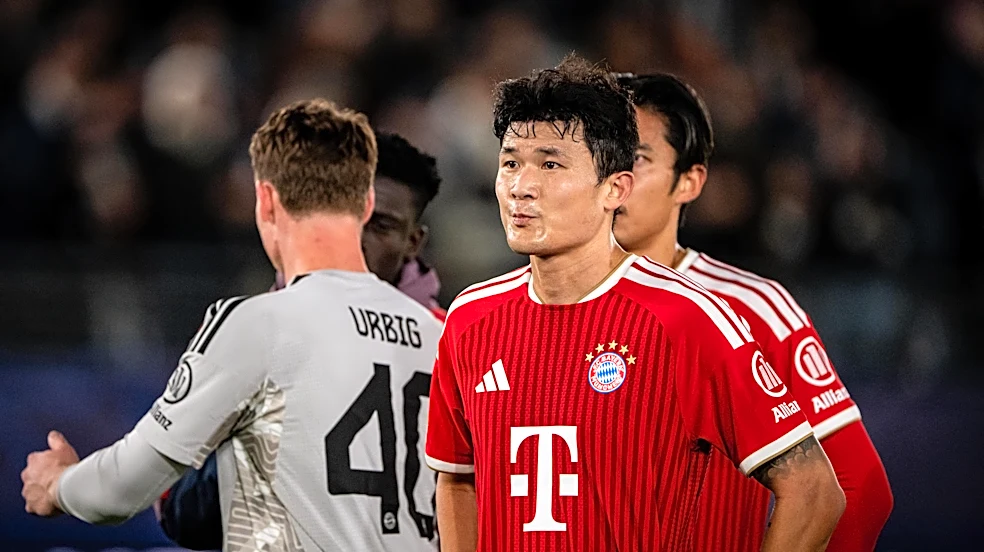

Diego Simeone and Atlético de Madrid should consider themselves fortunate to have left Germany with a point, particularly given how the final half-hour unfolded, following a 1-1 draw with VfB Stuttgart in the sides’ first-ever competitive meeting on Tuesday.
Stuttgart looked dangerous from the opening seconds of the match. Thankfully for Atlético, Jan Oblak was there to prevent an early disaster, producing two marvelous saves within the opening minute to keep the hosts off the scoresheet.
Stuttgart
dominated the opening 20 minutes, enjoying the majority of possession and looking far and away the better side. Just before the halftime whistle, Jamie Leweling broke the deadlock with a strike from outside the box to give Stuttgart a 1-0 lead, and it was difficult to argue that the hosts didn’t deserve it.
Ademola Lookman was brought on at halftime and wasted little time making his presence felt. Lookman delivered a beautiful ball across the Stuttgart box to set up Julián Alvarez for his first goal of the season, drawing Atleti level at 1-1 with virtually the entire second half still to play. The goal snapped Julián’s 174-day goalless drought and was his 50th goal with the club.

Just as the Rojiblancos were beginning to find their rhythm, and as momentum appeared to be firmly on their side, Morten Hjulmand brought it all to a screeching halt. A reckless challenge in midfield resulted in a straight red card, leaving Atlético down to 10 men with approximately 25 minutes remaining.
From that point forward, Atlético were forced to dig in and defend the 1-1 score line for the remainder of the match. Frankly, the result was somewhat harsh on Stuttgart, who were arguably the better side for much of the evening.
Here are Into the Calderón’s takeaways from Tuesday’s draw in Stuttgart.
No Romero? Big problem
In six matches where Cuti Romero has not started, Atlético de Madrid have conceded seven goals across two wins, one draw and two losses.
In six matches where Cuti Romero has started, Atlético de Madrid have six wins, have only conceded two goals and have four clean sheets.
Without question, Romero is Atlético Madrid’s leader in defense, and it doesn’t appear that Marc Pubill is anywhere close to filling that role.
Atlético were without Romero on Tuesday, and his absence was particularly noticeable throughout the opening half. Pubill, who was tasked with filling in for the injured Argentine, endured one of his more difficult performances in an Atlético shirt. The defender struggled against Stuttgart’s relentless pressure, and his costly loss of possession near Atlético’s penalty area contributed directly to Leweling’s opening goal.
Romero’s importance to this Atlético defense goes far beyond his individual defensive contributions. His physicality, aggressiveness and ability to organize the back line provide a level of stability that was sorely missed Tuesday evening. Pubill has shown plenty of promise, but this performance served as a reminder that Atlético’s defensive depth will continue to be tested whenever Romero is unavailable.
While there is never an ideal time for an injury, many, myself included, believed that if Romero were to miss time, this upcoming two-match stretch would be the most favorable opportunity for Atlético to cope with his absence.
However, it is apparent just how dependent Atleti have become on Romero’s presence in defense. His absence has exposed some concerning vulnerabilities in the back line, and if Atlético cannot find a way to maintain their defensive stability without the Argentine, they could be in serious trouble moving forward.
The duality of Morten Hjulmand
One of my biggest takeaways from Saturday’s match against Espanyol was just how impressed I was with Morten Hjulmand’s performance. In fact, I was so impressed that I named him my man of the match and even went out of my way to post a video on Instagram and YouTube highlighting just how exceptional his performance was.
Just when Atlético appeared to be taking control of Tuesday’s match, Hjulmand made an incredibly costly decision. The Danish midfielder’s reckless challenge on Angelo Stiller in the 64th minute resulted in a deserved straight red card, leaving Atlético with 10 men and completely derailing their second-half momentum.
With Hjulmand, it increasingly feels like a case of taking two steps forward and three steps back. The Danish midfielder will deliver a brilliant performance, as he did in the first half against Villarreal and more recently against Espanyol, only to follow it up with a costly mistake. Against Villarreal, it was conceding a penalty in the second half, and against Stuttgart on Tuesday, it was his reckless, studs-up challenge on Stiller.

These moments of brilliance are becoming overshadowed by costly lapses in judgment, making it difficult for Hjulmand to build any real consistency. If these mistakes continue, it may only be a matter of time before Hjulmand begins losing even more minutes to Johnny Cardoso, who will undoubtedly be looking to capitalize on any opportunity to establish himself in Simeone’s midfield.
What makes the dismissal particularly frustrating is the timing. Atlético had finally begun to establish themselves offensively, and Pablo Barrios had nearly given the visitors the lead just minutes earlier. Instead of pushing for a winner, Simeone was forced to make defensive adjustments and spend the remaining half-hour protecting a draw.
Hjulmand was brought in last summer not only for his abilities on the pitch, but also for the veteran leadership and experience he demonstrated as Sporting Clube de Portugal’s captain last season, along with his impressive performances in the Champions League. He has shown flashes of brilliance and demonstrated exactly why Atlético were so eager to bring him to Madrid, but those performances have too often been followed by costly mistakes.
And if there’s one thing we’ve learned about Cholo Simeone over the years, it’s that players who struggle to deliver consistent performances rarely remain in his good graces for long.
Atlético’s intensity problem
One of my biggest concerns coming away from Tuesday’s match is that the blueprint for how to trouble Atlético de Madrid is becoming increasingly obvious. We saw it against Athletic Club, against Liverpool and now against Stuttgart.
When opponents match or exceed Atlético’s physicality and intensity, the Rojiblancos struggle to respond and fold like a lawn chair. For a team managed by Diego Simeone, whose identity has historically been built around physicality, intensity and outworking the opposition, that is wildly worrying.
The opening 25 minutes were a brutal watch for Atlético supporters. The Rojiblancos struggled to maintain any meaningful possession, failed to generate any sort of attacking threat and could barely advance the ball beyond their own defensive third. Stuttgart’s relentless pressure left Atlético scrambling from the opening whistle, with Oblak called into action almost immediately.
Stuttgart were faster, more aggressive and considerably more organized throughout the opening half. Atlético struggled to maintain possession, frequently lost the ball in dangerous areas and failed to establish any meaningful attacking rhythm. The struggles were particularly evident in the midfield, where Barrios and Hjulmand were given very little time on the ball.
While Stuttgart deserve credit for an impressive performance, Atlético’s inability to play through the German side’s pressure raises questions about how Simeone’s team will fare against Europe’s elite opposition. This is especially concerning with Bayern Munich awaiting Atlético in their next Champions League match.
Based on Atlético’s recent LaLiga results, there have been encouraging signs that Simeone’s side is finally beginning to turn a corner with respect to its struggles away from home. However, Tuesday’s performance against Stuttgart was undoubtedly a step backward. And with difficult Champions League trips to the Netherlands to face PSV Eindhoven and Norway in January to face Bodø/Glimt still on the schedule, there is plenty of reason to be anxious.
Hopefully, Simeone and the players can learn from Tuesday’s mistakes and be better prepared to match the intensity of their opposition when those challenges arrive.