


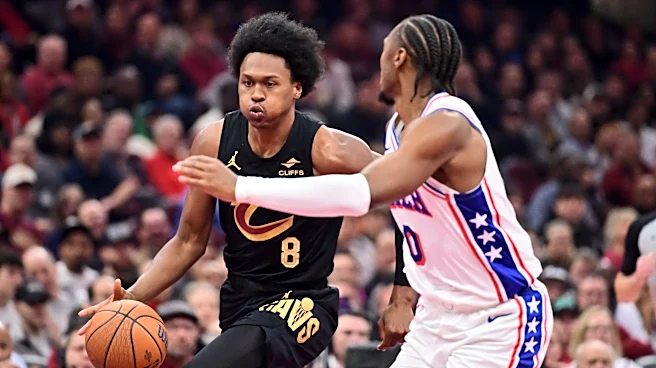
If there’s one thing we love to do in Big Media, it’s re-grading trades prematurely. It takes years before we have enough perspective to know which teams actually won or lost any transaction, but who’s got the time or patience for that these days?
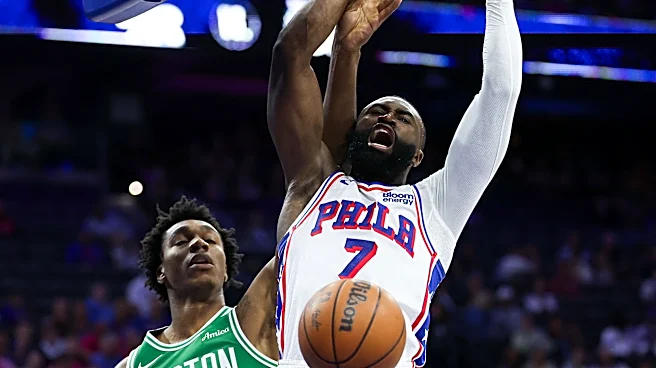
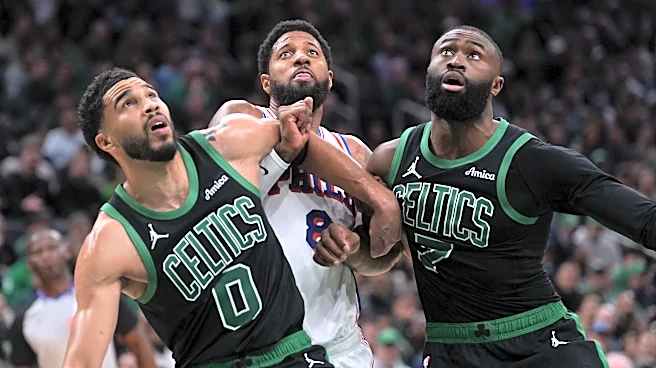
Fortunately, the Boston Celtics are coming to Philadelphia on Tuesday, which gives us a golden opportunity to relitigate their decision to trade Jaylen Brown to the Sixers this past offseason.
First, let’s recap the terms of the trade itself:
Philadelphia
76ers receive: Jaylen Brown
Boston Celtics receive: Paul George, 2028 1st (likely a swap involving the LAC pick), 2031 PHI 1st, 2028 2nd (best of GSW/MIL/OKC), 2030 2nd (best of PHX/POR/WAS)
Before we go any further, we must emphasize: The final judgment on this deal won’t be rendered for years to come. We’ll have to see if the Celtics eventually use George’s contract in another trade and whether the Sixers extend Brown (and for how much if so).
But again, what’s the fun in waiting? Let’s examine whether either team should already be having buyer’s remorse.
Sixers grade: A
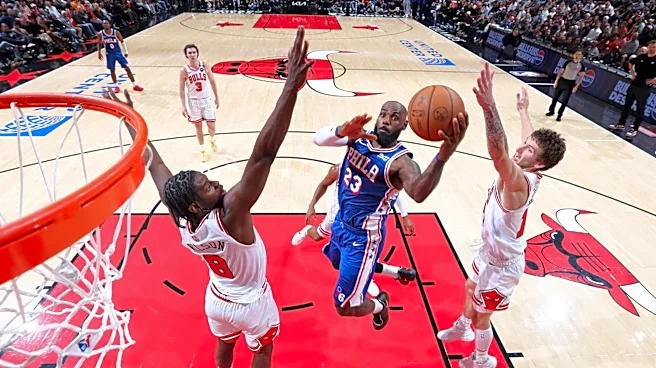
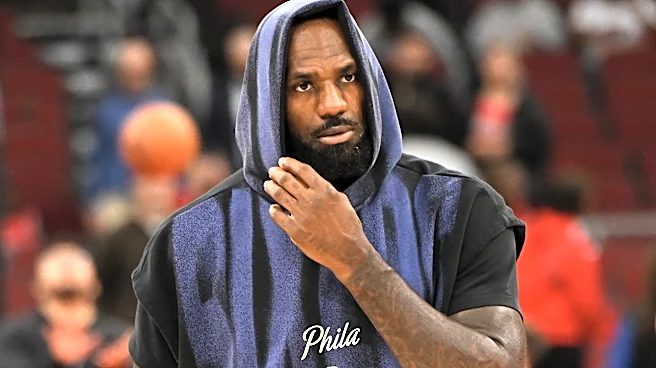
If the Sixers didn’t trade for Brown, LeBron James likely would not have signed a veteran-minimum contract with them in free agency. He admitted as much this offseason. That alone makes this deal a clear A for now.
That isn’t the only reason why it deserves an A, though.
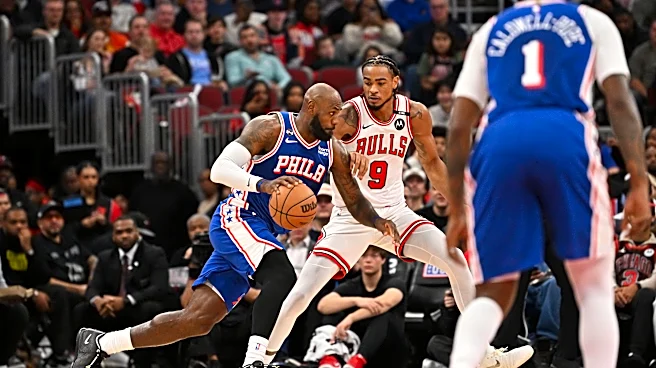
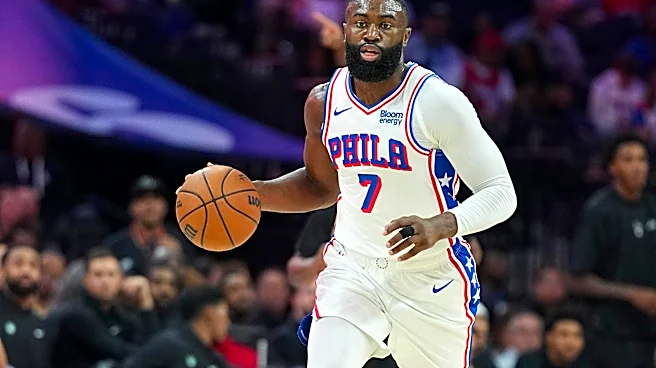
With Jayson Tatum on the mend from an Achilles tear for most of last season, Brown averaged nearly 29 points per game and finished sixth in the MVP race. Unsurprisingly, his scoring output has dipped in Philadelphia, as he’s now sharing touches with LeBron, Tyrese Maxey, VJ Edgecombe and Joel Embiid. Still, he’s averaging 22.3 points per game, which ranks second on the team behind only Maxey, and is doing so on an efficient 47.7 percent shooting overall and 39.2 percent shooting from deep.
A bunch of analytics dorks justified the trade for the Celtics by pointing to Brown’s mediocre on/off splits, which drew Brown’s ire.
Ironically, Brown’s on/off splits have been great in Philadelphia thus far. They’ve outscored opponents by 4.8 points per 100 possessions with him on the floor and have gotten outscored by 1.9 per 100 with him off. That plus-6.7 on/off split is the second-best mark of his career, trailing only his sophomore NBA campaign in 2017-18.
That’s largely been fueled by defense, which Brown has repeatedly described as a “non-negotiable” for the star-studded Sixers this year. Brown is taking advantage of his reduced workload on offense by devoting more energy to the other end of the floor, where he’s often tasked with guarding the opponent’s toughest wing or forward. It was only fitting that he punctuated his 30-point outing against the Detroit Pistons—his highest-scoring game with the Sixers yet—with a game-saving block of Cade Cunningham as the Pistons were trying to mount a furious late rally.
Brown and the Sixers are still trying to get their footing on offense, particularly in half-court settings. But his ability to carry the team at times has been invaluable, especially with Embiid off to a slow start offensively.
Does Brown still take some ill-advised shots at times? Of course! Good luck finding an NBA star who doesn’t. But he has otherwise acquitted himself well to the Philly faithful in the early going. And even if he hadn’t… again, LeBron James would not be a Sixer if they hadn’t traded George for Brown. ‘Nuff said.
Down the road, we’ll have to see where the two first-round picks involved in this deal land and whether the Sixers eventually sign Brown to an extension. Any of those could impact the long-term perception of this trade. But the Sixers were staring down a third straight season where Embiid and George’s availability (or lack thereof) could have submarined their ceiling. Now, they’re one of the clear title favorites in the East.
Celtics grade: A-
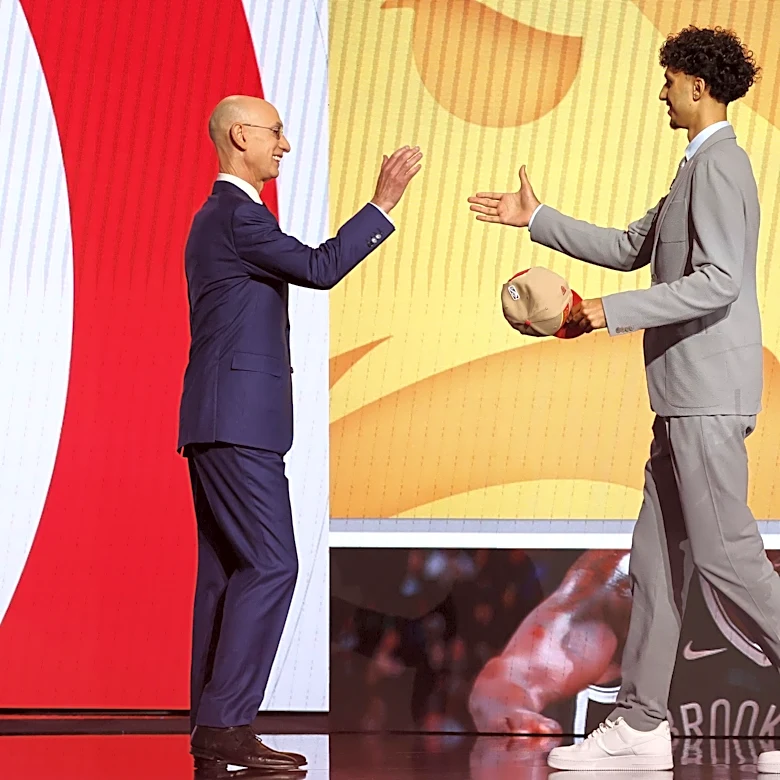
When ESPN’s Shams Charania broke news of the trade on July 1, most Celtics fans spent the next 24-72 hours having a nuclear-grade meltdown.
That’s all you got for Jaylen Brown? Finals MVP Jaylen Brown?!?
In a league without a salary cap, the Celtics assuredly would have gotten more for him. But teams have gotten increasingly wary about big-money, long-term contracts, and Brown’s deal is worth roughly 35 percent of the salary cap through 2028-29. The Sixers could afford taking it on since they already had George signed to a roughly equivalent contract, but other teams didn’t have that same luxury.
Celtics president of basketball operations Brad Stevens later admitted that finances were part of the motivation to move Brown. “The path looked a little bit more challenging with 70 percent of our [salary] cap and such a high percentage of our usage tied into two players,” he added. What was left unsaid: The Celtics wanted to trade Brown before they had to confront whether to extend his contract.
George will be under no illusion that he’s still a max-worthy player once his deal expires after the 2027-28 campaign. The Celtics might look to trade him before that, but if not, they should be able to re-sign him to far below a max deal. Brown, meanwhile, will likely want a max or near-max extension.
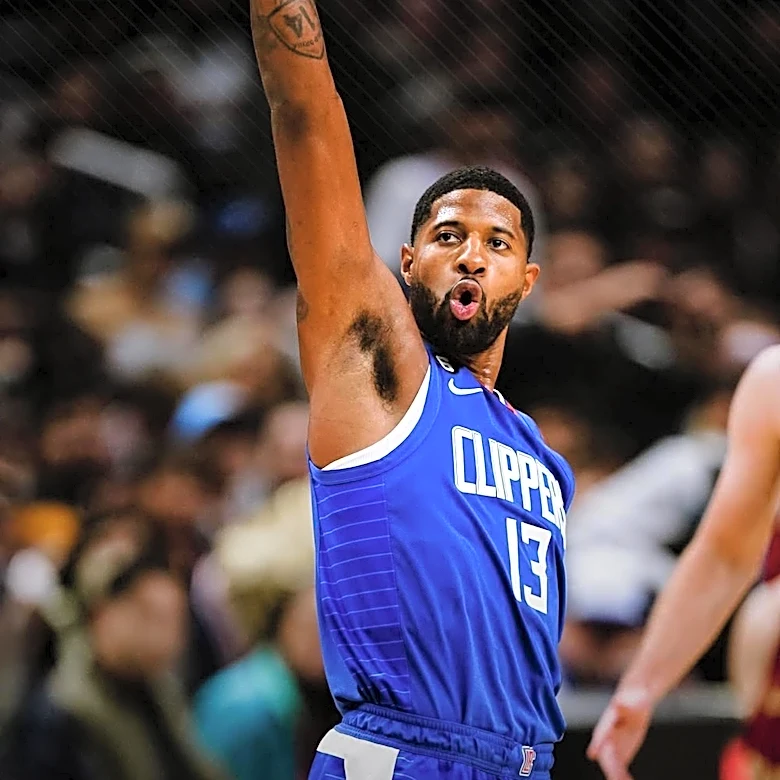
George doesn’t boast Brown’s explosiveness, which limits his ability to drive downhill. But he has long been an elite three-point shooter, which makes him a perfect fit for head coach Joe Mazzulla’s system. In the early going, George is shooting a career-high 42.5 percent from deep on 8.1 attempts per game.
George has also been solid on defense thus far. In fact, he’s currently averaging a career-best 2.3 steals per game. We’ll see how long that lasts or whether he’ll be able to sustain that level of production over a full 82-game season, but so far, so good.
Both teams are still in their honeymoon phase with Brown and George, but at this point, neither should have major regrets about the deal. If anything, the Celtics’ biggest pang of remorse might be paving the way for the Sixers to land LeBron as well.
Aside from, you know, blowing a 3-1 series lead to the Sixers in last year’s playoffs, which set the stage for the Brown trade in the first place.