



It finally happened.
The Mets selling before the trade deadline was a worst case scenario going into the season, with a roster full of promise and hope for a return to the postseason. Once they lost 12 in a row, it became a more defined hypothetical, that if the Mets were unable to turn the tides like they did in 2024, they may actually have to trade away their impending free agents instead of adding to the roster with an eye on October. And after weeks and months of struggling to play at even a .500
clip, the first move was made, signaling the likelihood of a selloff in just over a month’s time.
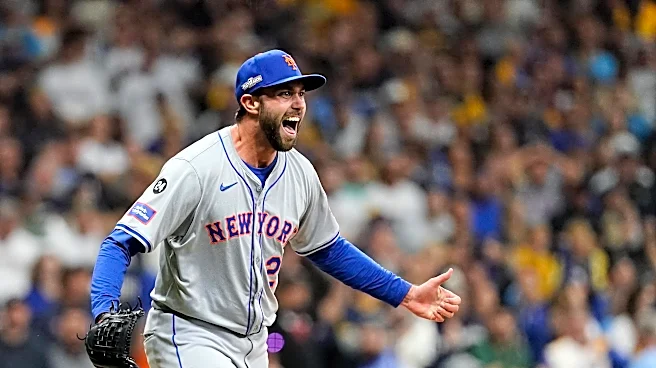
That first shot across the bow came in the form of the franchise’s longest tenured player, David Peterson. A career marked by many highs and many, many lows, he was looking at free agency after the 2026 season. And his season was not going according to anyone’s desire, with a 6.09 ERA, 1.647 WHIP, -1.0 bWAR and being moved back and forth from the rotation to the bullpen in hopes of finding any place where he could find a groove.
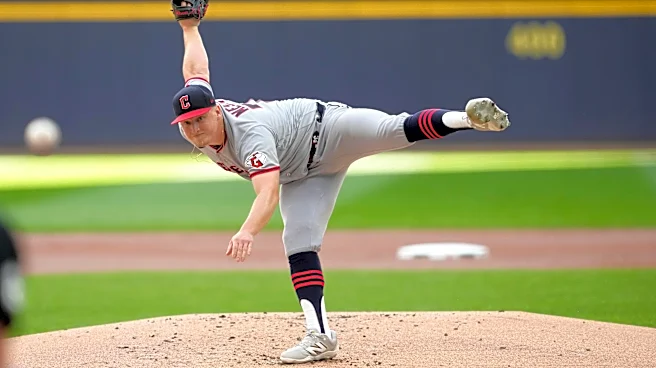
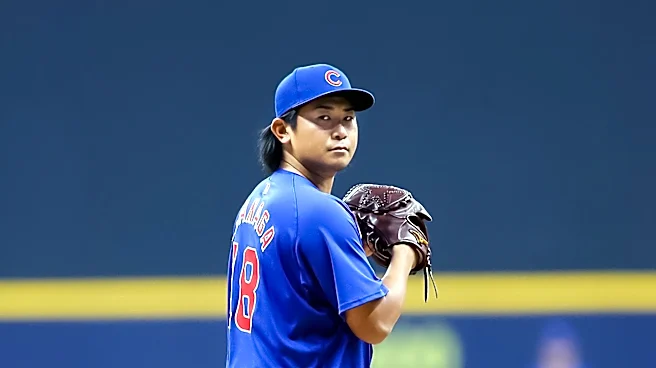
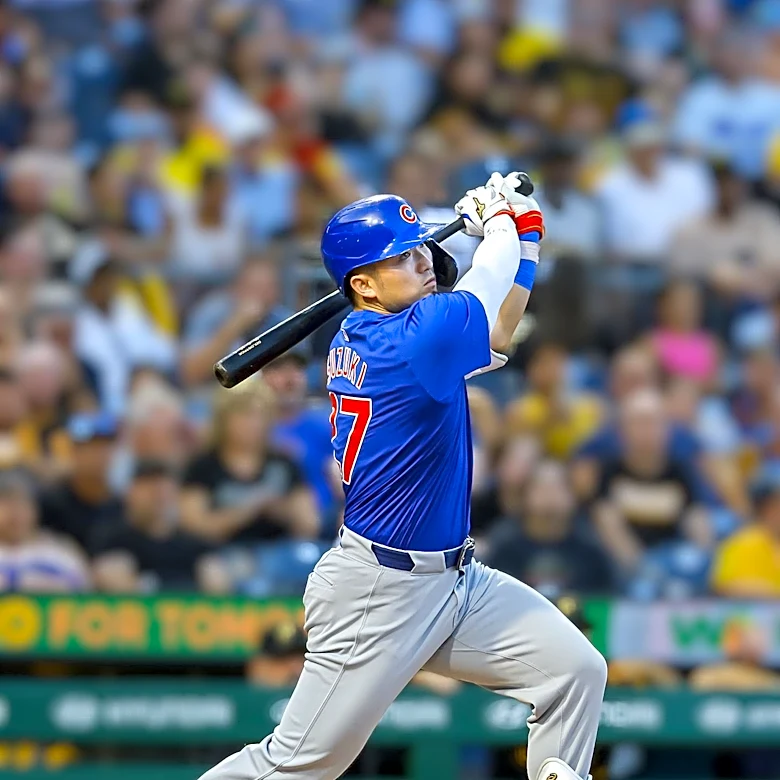
So, less than a year removed from his first (and only) All-Star appearance and less than two removed from his postseason heroics, he was heading to the Chicago Cubs in exchange for a minor league infield prospect. After five and a half years in the orange and blue, he might not have been the biggest name or the best pitcher, but he did have some great moments as a member of the New York Mets.
7/28/2020, vs. Boston Red Sox–His Debut
David Peterson made his debut in the 2020 shortened COVID season. The Mets rotation took several blows that season, with Noah Syndergaard missing the year after needing Tommy John surgery during spring training, and Marcus Stroman tearing his left calf muscle (and eventually opting out of the season ahead of his return). So, despite the signings of Rick Porcello and Michael Wacha, the Mets had no option but to rely on the rookie Peterson, who was one of the top prospects in the organization. His debut at Fenway Park was a solid start to his career, 5.2 innings giving up just two runs, striking out three, and collecting the win. He ended up making nine starts (and one relief appearance) in 2020, being the fifth-best player on the Mets in 2020 with 1.6 bWAR.
6/14/2021, vs. Chicago Cubs–One Hitter
2021 was a weird season for David Peterson. It was the first real look at the major defining characteristics of his Mets tenure–ecstatic highs, demoralizing lows, but mainly mediocre inconsistency and injury troubles. He had games where he racked up double digit strikeouts, and others where he would give up six or seven runs and barely get through three innings (if that). But in June, facing the Chicago Cubs at Citi Field, Peterson spun an absolute gem. He held the Cubs to just one hit over six scoreless innings, only striking out three but efficiently mowing down a lineup that was chock-full of former All-Stars and was ten games above .500 at that point in the season. Peterson’s season would end a few weeks later with an oblique strain that took him out for the entire second half of 2021, and it was a concerning step back after 2020. He ended the season with a 5.54 ERA after 15 starts, a 1.395 WHIP and worth a below-average -0.5 bWAR. But for one glorious June evening, he was untouchable.
8/27/2022, vs. Colorado Rockies–Playoff Push
In 2022, for the first time in Peterson’s career, he was on a Mets team that was going to make the playoffs. He was also in a less defined role, moving back and forth between the rotation and the bullpen and only making 19 starts with nine additional appearances coming out of the bullpen. His best start came in late August, facing off against a rudderless Rockies team that was 20 games under .500 by that point. He went six scoreless innings, giving up four hits and striking out seven, giving up no walks for the first time since the beginning of July. It was the high point of a season that would come crashing down soon, for both him and the Mets at large. Peterson followed the start with three consecutive starts where he gave up at least three runs and lasted less than six innings, eventually being moved to the bullpen, while the Mets crashed and burned around him, eventually exiting the playoffs in the Wild Card round despite winning over 100 games in the regular season. On the whole, however, it was a bounce-back campaign for Peterson, who ended the season with a 3.83 ERA and was worth 0.9 bWAR, a 1.4 bWAR swing from 2021.
9/28/2023, vs. Miami Marlins–Ending Strong
2023 was another inconsistent season for Peterson. Injury problems, a move to the bullpen, and a subsequent move back all marked a campaign that was another step back for him. On the season he had a 5.03 ERA in 21 starts and six relief appearances, with a well-below average 83 ERA+ and was worth just 0.5 bWAR. His early season was so awful that he was sent down in mid-May with a 8.08 ERA, having given up four or more runs in six of his eight appearances to that point. His performance matched that of the Mets, who followed up a 101 win season with a season when they won just 75. But Peterson ended strong, with his final start coming against the Marlins when he held them without a run for seven innings, allowing four hits and striking out eight. He also walked four batters but it never came back to haunt him, ending his 2023 on a big win.
9/29/2024, vs. Milwaukee Brewers–Every Game Matters
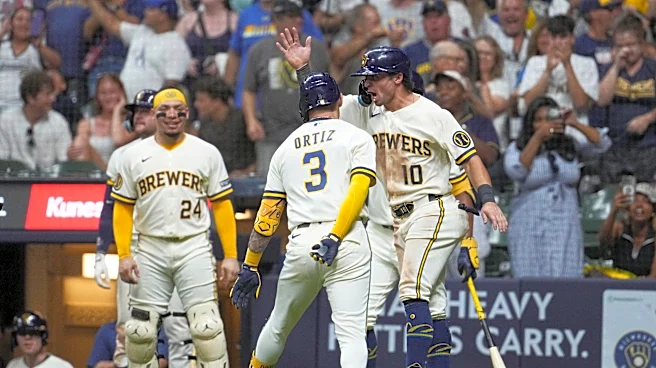
In 2024, the Mets made a surprise playoff push, and every game–and win–mattered, right down to the last day. David Peterson found himself on the mound in Milwaukee with his team’s back against the wall, needing a win ahead of a doubleheader in Atlanta from two postponed games. And with the ball in his hand, Peterson delivered, going seven one-hit innings without allowing a single run and striking out eight, eventually getting the win that put them in the position of needing one more win to get into the playoffs. It was the capper on the best season of his career so far, with a 2.90 ERA in 21 starts, with a 1.289 WHIP and accumulating 2.9 bWAR. He was moved to the bullpen for the playoffs and pitched well, giving them quality bulk relief innings and collecting the save in the final game of the Wild Card series , once again getting the best of Milwaukee.
6/11/2025, vs. Washington Nationals–Nine Innings
2025 was a weird year for both David Peterson and the Mets. Both started strong but then took a dramatic and almost unfathomable turn for the worse in the second half of the season. David Peterson became an All-Star for the first time in his career in 2025, coming off a strong first half that seemed to be a direct continuation of his great 2024. One of the best performances of that season came in June against the Met’s divisional rivals, the Washington nationals. Peterson pitched the first complete game of his career, which was also the first complete game shutout of his career. He allowed six hits while striking out six, ending the game at 106 pitches, a season high. That performance dropped his ERA to the lowest point of the season for Peterson, just 2.49, which ended up ballooning to 4.22 by season’s end. It was a nasty 12.54 for the last five games of the season, mirroring the Mets’ uncontrollable descent from playoff contention to outside the bracket. He was still named a Gold Glove finalist and had 1.6 bWAR, but the shine was off from 2024.
Peterson’s time with the Mets in 2026 was the roughest period of his career. He once again found himself bouncing back and forth from the rotation to the bullpen, and he didn’t really have a single great appearance in the first few months of the season. He had a 6.09 ERA, 1.647 WHIP, a 67 ERA+, and was worth -1.0 bWAR, all of which were career worsts. It was the most inopportune time for that kind of struggle, both for Peterson and the Mets. Peterson is a free agent after the end of the 2026 season, and was failing spectacularly in his contract year. And the Mets, dealing with several pitching injuries, especially in their rotation, needed a warm body who could give them innings of some quality, which Peterson struggled at in the rotation, though he was slightly more serviceable in the bullpen.
Still, he was becoming an unwieldy detriment on the mound, and the Mets chose to trade him in order to get an infield prospect from the Cubs, choosing a return they knew they could get over waiting for the trade deadline, with an additional month and a half for Peterson to further hurt his valuable. With his departure, Francisco Lindor became the longest tenured Met, and the final player from the major league roster during the Wilpon ownership tenure was gone.