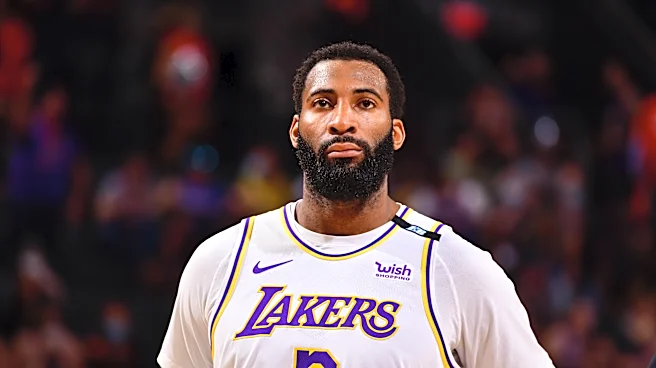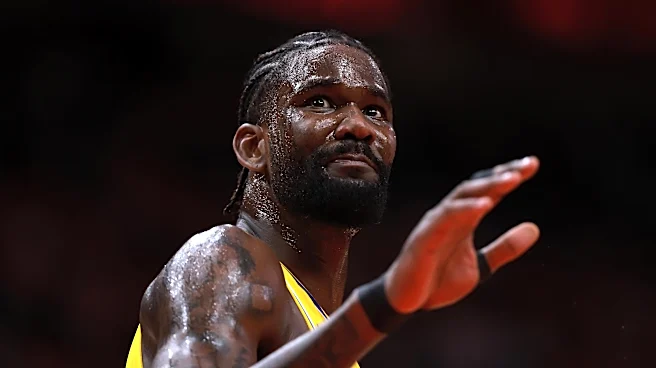





Will Dawkins has made a habit of buying low on assets deemed negative by their previous teams.
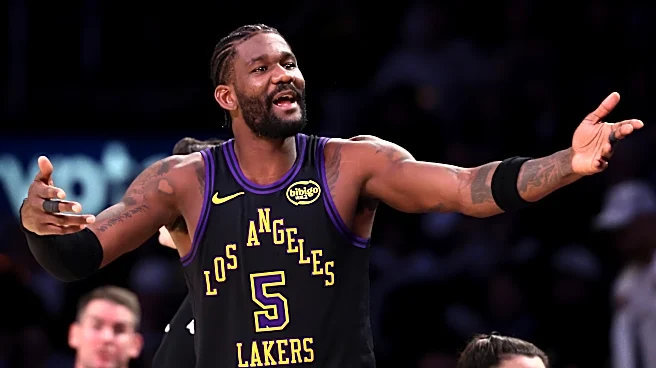
He did so with Trae Young, then Anthony Davis and now Deandre Ayton, who all enter Washington under similar circumstances: Their former teams wanted nothing to do with them, and yet the Wizards wanted everything to do with them.
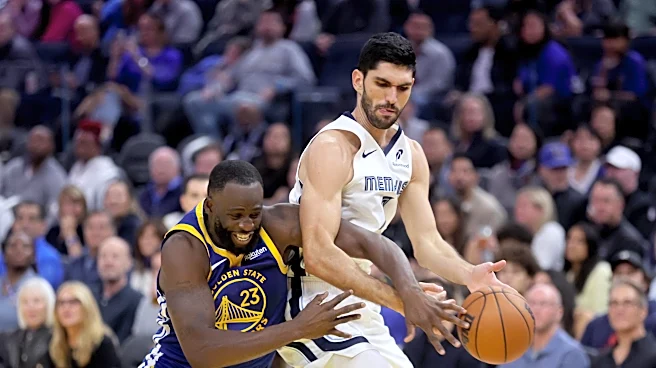
Dawkins first acquired Young for the low price of CJ McCollum’s expiring contract and Corey Kispert. Then he acquired Davis for four players not in Washington’s plans beyond last
season and five picks — two late first-rounders and three second-rounders — that weren’t the team’s own.
Four months later, Dawkins has struck again, this time acquiring Ayton for Jaden Hardy and second-round picks in 2031 and 2032. It marked another smart move by Washington’s fourth-year general manager as the team builds toward its first season of true competitiveness since 2017-18.
Why the trade makes sense
The Wizards entered free agency needing a backup center.
Behind Davis and Sarr sat Tristan Vukcevic, Felix Okpara and Julian Reese. While capable big men in their own ways, competing in a talented Eastern Conference with such raw and inexperienced frontcourt depth appeared risky.
But the search didn’t stop at experience or even talent. The Wizards needed a backup center not only equipped to produce in 20-25 minutes a night but also capable of starting 15-20 games as an insurance policy for Davis, who played just 71 games over the last two seasons.
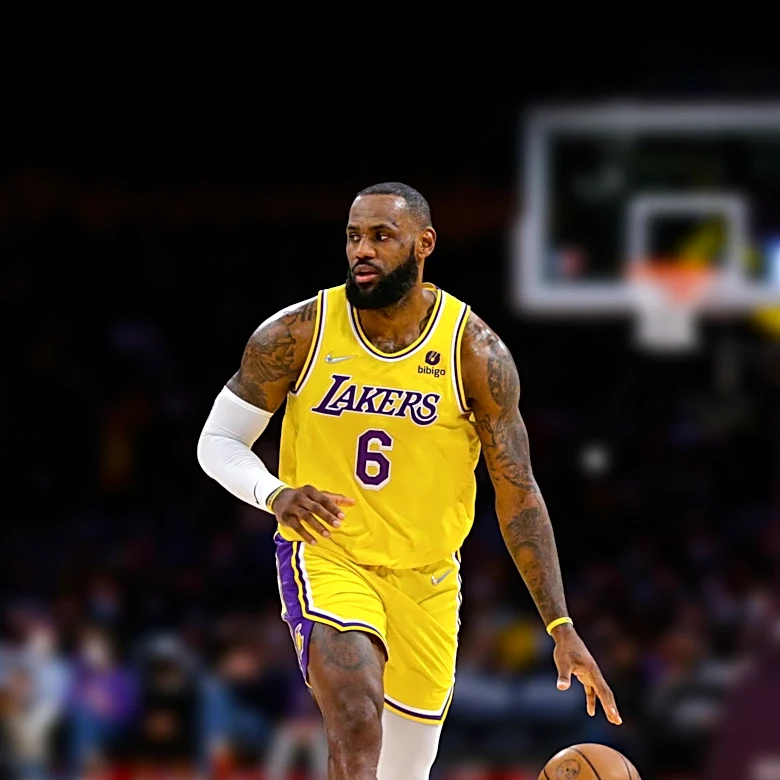
Dawkins checked all three boxes when adding Ayton, who averaged 12.5 points and 8.0 rebounds on 67% FG with the Los Angeles Lakers.
The 7-footer shot an NBA-best 80.1% at the rim in 2025-26 and ranks second in the NBA in FG% within five feet over the last three seasons.
For a Wizards team that ranked dead last in the NBA in defensive rebounding percentage last season, Ayton’s career 93rd-percentile defensive rebounding percentage should certainly help.
While Ayton’s always provided efficient interior scoring and above-average rebounding, his critics highlight his inconsistent play, poor hands and apparent disinterest in buying into his role as reasons he’s incapable of being a starting center on a contender.
It’s a somewhat fair assessment of a player blessed with incredible skills he’s never truly realized.
The good news for the Wizards is that this role is different. The former No. 1 pick won’t be required to start 72 games like he did on a 53-win Lakers team. Nor will he be given the workload asked of him in Los Angeles, Portland or Phoenix.
Ayton needs to set screens, finish around the rim and rebound in a bench role for a Washington team stacked with young talent and accomplished veterans. Seems like an easy ask.
The Wizards didn’t give much to acquire Ayton, either. Hardy wasn’t an expected rotation player, and the two second-round picks don’t make a dent in Washington’s war chest of them.
Dawkins said adding depth next to and behind Sarr was a goal at February’s trade deadline and into the offseason. Washington’s GM has done that by acquiring Davis and Ayton to compliment his young shotblocking center.
What it signals
Trading future draft capital to fill a roster hole signals a shift in Washington’s team-building philosophy.
It’s a transaction that suggests the Wizards have entered a new phase of their rebuild, one uninterested in taking on bad contracts for draft capital or trading talented players for promising prospects and future picks.
Washington is finally serious about competing. And its roster supports that desire.
The Wizards had a gaping hole at backup center. And instead of signing a player like Marvin Bagley III to a veteran minimum deal to temporarily fill that void, they traded two future draft assets to secure a starting-caliber center in Ayton to serve in a bench role.
It’s not a move that immediately turns the Wizards into title contenders. But it’s a noteworthy transaction regarding the team’s direction, which is one focused on assembling a group talented enough to make noise in the East.