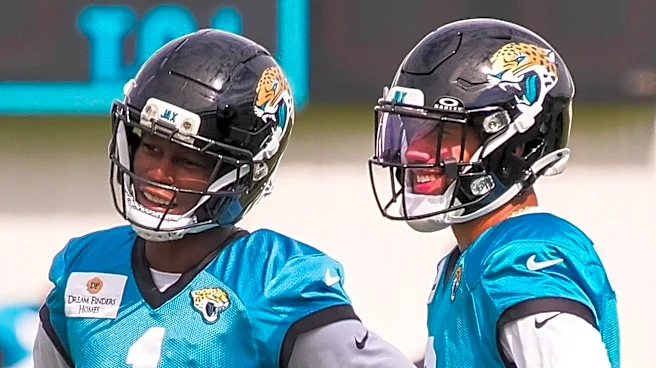


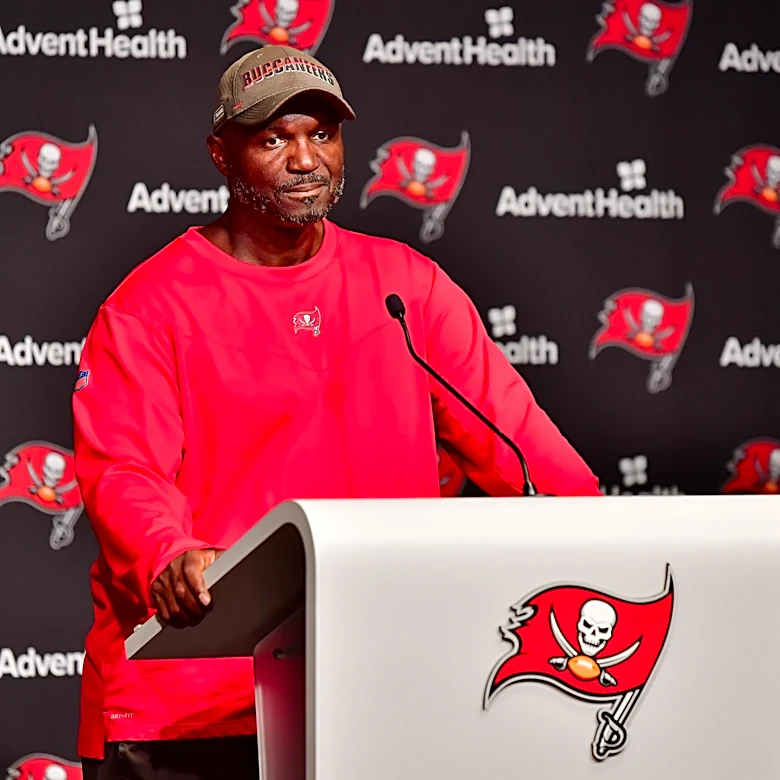

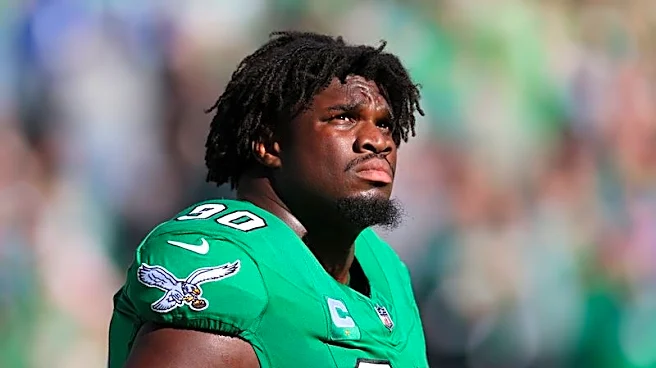
When a Super Bowl-winning head coach, with a strength in defense praises your recent defensive roster moves, it’s probably worth paying attention. NBC analyst Mike Tomlin, who won a Super Bowl during his 19 seasons leading the Pittsburgh Steelers, had a few glowing remarks when discussing the Jacksonville Jaguars adding safety Jessie Bates III and defensive tackle Jordan Davis on last week’s NBC conference call:
“I think they helped themselves in two distinct ways from a defensive perspective and
so it’s a sign that they’re all in. It’s really impressive and it’s going to be fun to watch.”
I fully agree with Tomlin here. The resulting roster outlook following the moves, the clear championship aims from the 7-2 Jaguars, and the limited risk exposure, while improving in two areas of defense turned last week’s trade deadline into clear roster improvements.
With the deadline dust now settled, we take a quick look at why the trades make Jacksonville’s second-ranked defense (in points surrendered) significantly better, and why the money behind the moves may be the most underrated part of the story.
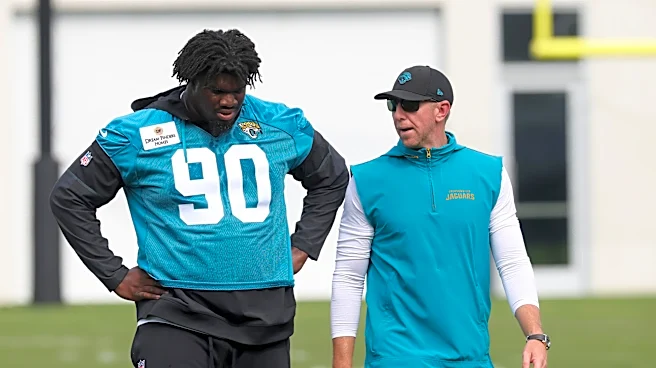
Jordan Davis: Filling the DHam Void

The case for Davis starts with what Jacksonville lost. According to NextGenStats, the Jaguars’ defense allowed 6.9 yards per play in 2026 when Davon Hamilton was off the field and just 3.8 when he was on it. Some of that gap reflects the fact that Hamilton didn’t play on obvious passing downs, but it also shows just how dominant he was against the run. A similar pattern shows up with Ventrell Miller, whose splits are 3.16 yards per carry allowed with him on the field and 5.66 with him off. A 3.1-yard swing in yards per play shows how much Hamilton mattered, and why Jacksonville, with Hamilton hurt for the remainder of the season in Week 8, needed a real replacement to keep its Super Bowl hopes intact.
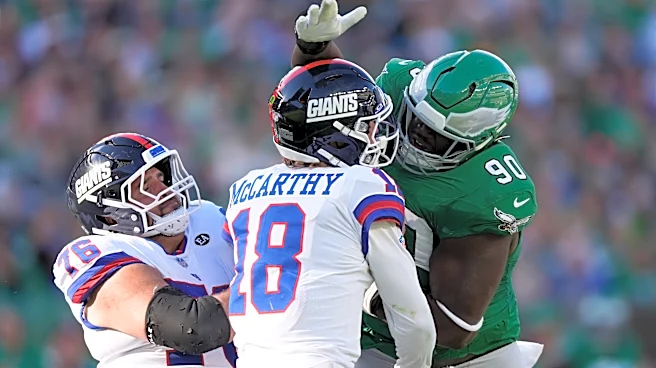
Davis is clearly that replacement. He led the Eagles with a 67.4 percent double-team rate this season while playing mostly on first and second downs, and PFF still graded him as the best defensive tackle in Philadelphia’s group on those downs. Notably, he had only 52 pass-rush snaps over eight games because that was, frankly, not his role.
In Anthony Campanile’s defense, the run defense has to be elite: not good and not merely above average. This is a team that wants to play nickel, dime, and three-safety sets, and stopping the run on early downs is what keeps opponents in second and third-and-long. Davis does that, and then some. Limiting opponents on early downs forces them to throw into a defense expecting the pass and gives additional opportunities to a defense that already ranks among the league’s top three in interceptions. It is a scheme with a long track record, one that worked for years for Vic Fangio, with whom Campanile has history.
Speaking of interceptions…
Jessie Bates: More Than Just a Ballhawk

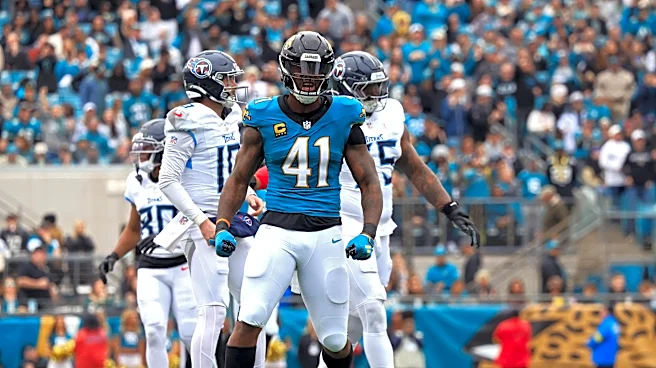
Jacksonville added a magnet for the football to a defense that already ranks among the league’s interception leaders. Bates also forces fumbles at a remarkable rate, with three this season, and he’s scored a defensive touchdown in four straight seasons, including this one.
The most important part of his arrival, though, is how he fits Campanile’s love of coverage variety. All offseason, the missing piece for this defense was a rangy, sideline-to-sideline safety who can patrol the middle of the field for Cover 3 and Cover 1, the looks Jacksonville prefers in the red zone. Bates is that player. In many ways, he just turned a top-five red zone defense into a Madden cheat code. With Travis Hunter and Montaric Brown outside, Jarrian Jones and Jourdan Lewis working the slots, and Bates roaming center field, there is potential for even more third-down Cover 1, even outside the red zone. While one defender may occasionally require additional help when playing man outside the red zone, Jacksonville would clearly hold the man-to-man advantage when lining up against most receiving groups.
There is also a part of Bates’s game that people have probably not considered. The secondary lost its “Foye Oluokun of the back end” in Eric Murray, the communicator who makes sure everyone lines up correctly and avoids coverage busts. That is also the most underrated part of Bates’s game. He is not only a superior athlete to almost everyone around him. He is a student of the game who communicates and studies tape, something we covered in the 5 Questions About Jessie Bates article with The Falcoholic’s Jeanna Kelley:
Jessie Bates is obsessed with film study. He carries two iPads around the facility — one from the team with that week’s game plan information loaded on it, and his personal device for taking notes and looking up specific plays, etc.
From Bates, via AtlantaFalcons.com: “Film study has always been my way of separating from other players,” Bates said. “That’s what I love. That’s the part a lot of people don’t see every day – the grind, the amount of time that you put into film to shine and make plays on Sunday.”
Easing Them In
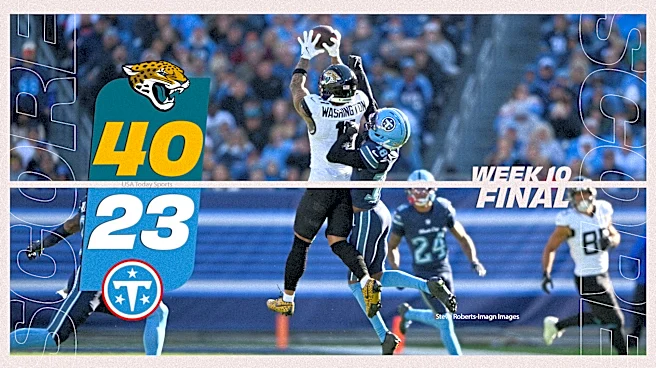
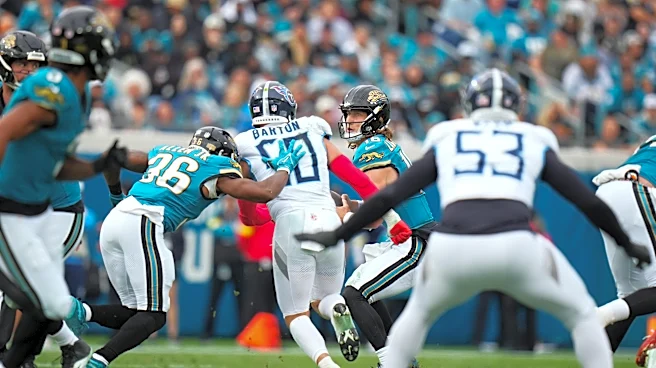
Neither Bates nor Davis played Sunday against the Tennessee Titans. Following the midweek trades, Jacksonville opted to give both players the week to rest and acclimate. The decision made sense given the circumstances: neither player had a 2026 bye week with his previous team, and Bates had only just returned from Santiago Bernabéu Stadium in Madrid, where Atlanta faced the Cincinnati Bengals. A week to recharge and to continue the crash course into Campanile’s system seems a worthwhile investment with the stretch run still ahead.
The Money Made Sense

What may get lost in the pick-by-pick conversation is how well the contracts work with Jacksonville’s current limitations. Between the two deals, Jacksonville saves around $25 million over the next two years. In effect, the Jaguars bought two years of salary relief by agreeing to part with higher draft capital to secure top players at their position at a low cost. The Eagles absorbed the $19 million prepaid bonus they had given Davis over two years, and the Falcons paid almost all of the $6.5 million owed to Bates in 2026. That leaves $25 million in immediate funds that Jacksonville can put toward extensions for wide receiver Parker Washington or safety Antonio Johnson, rather than being forced to restructure contracts to create cap space. Jacksonville did not say “F— them picks.” It used picks as currency to buy exactly what it wanted at a discount in salary. Essentially, they used a coupon, and closed that deal while reportedly bidding against the Buffalo Bills for both players.
Godchaux & the Comp-Pick Game

While not mentioned by Tomlin, the Jaguars also added defensive tackle Davon Godchaux, which gives them more interior depth. The savvy move with Davon is that he allows Jacksonville to play the compensatory pick game, as he’s on an expiring contract. That is similar to what the team did with Greg Newsome in 2025, with Jacksonville likely to receive a sixth-round pick for him in this coming draft.
Jacksonville’s conditional 2028 sixth-round pick traded for Godchaux accelerates to a 2027 sixth once awarded to the Jaguars by the NFL. However, if Davon were to perform well, Jacksonville could either re-sign him to an extension or allow him to test free agency, where if he signs a reasonable free-agent deal this offseason, there’s a non-zero chance the compensatory formula rewards Jacksonville with a late-round pick right back. In other words, Jacksonville could trade a 2027 sixth-round pick for a player, get half of a year’s usage out of that player at a $650k cap hit, and turn around and receive a 2028 sixth- or seventh-round pick right back. And if the trade doesn’t work out in the long term, Godchaux provides functional depth, at a cheap salary, for the cost of a sixth-round selection as the worst-case scenario. It’s a true low-risk scenario.
Good Business All Around?
Between the two bigger trades, Jacksonville swapped Murray’s safety spot for a more versatile, more dominant one with fewer coverage limitations, and replaced the defensive tackle spot with a younger, more dominant player. Added to the Godchaux move, this all just seems to be good business on all three trades. They improved upon their already turnover-happy secondary, while also improving their top-of-the-league run defense.
But even for those who may not consider the costly trades to be “good value”, it’s easy to see why they were constructed in the way that they were (IE: how we got here). While the national media slams the trades, I think many missed the details when looking solely at the picks, while avoiding the money and existing cap limitations in Jacksonville.
But what say you, BigCatCountry? Do you agree or disagree with Tomlin? Where do you stand on the risk versus reward of the moves?
Download the SB Nation App and drop your thoughts below!