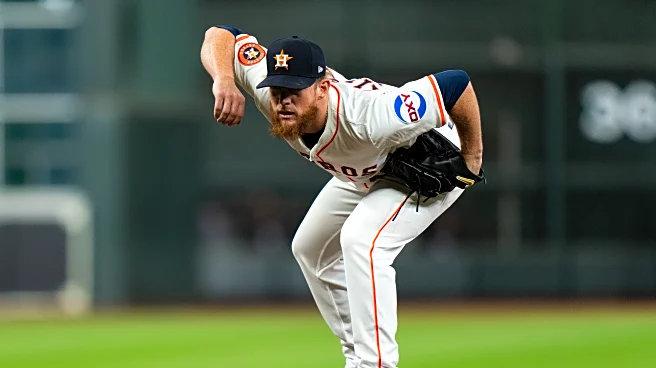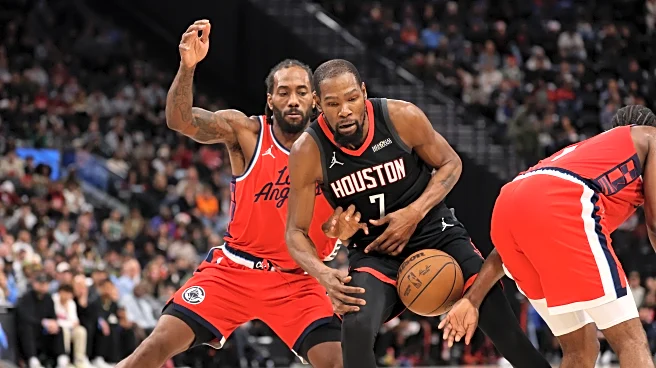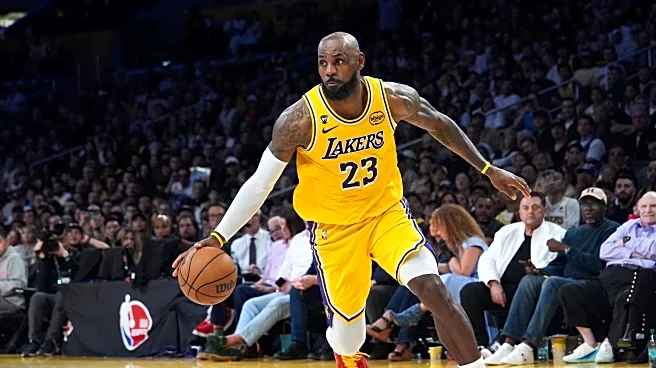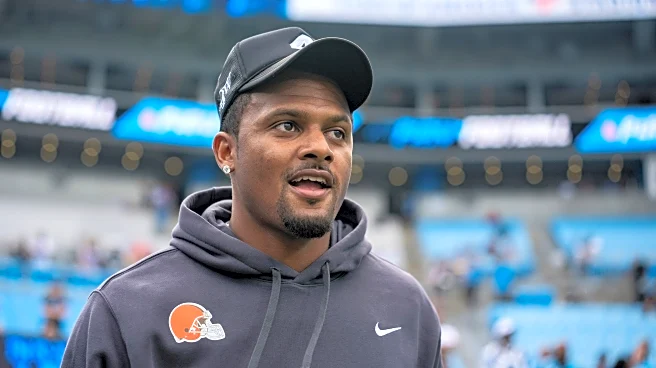

Since I was a child, Tri Star has been a part of a yearly pilgrimage to the once Astro Inn, and now into the NRG convention centers. This show allowed 10 year old Brett meet baseball legends like Mickey Mantle, Willie Mays, Ted Williams, Hank Aaron, Sandy Koufax, Ken Griffey Jr. and Sr. and many more. Memories I carry with me to this day. I sat down with Jeffery Rosenberg, the founder and CEO of Tri-Star, to tell you why you should make this an annual pilgrimage with your kids.
For Astros fans in
Houston, baseball isn’t just something you watch — it’s something you hold onto.
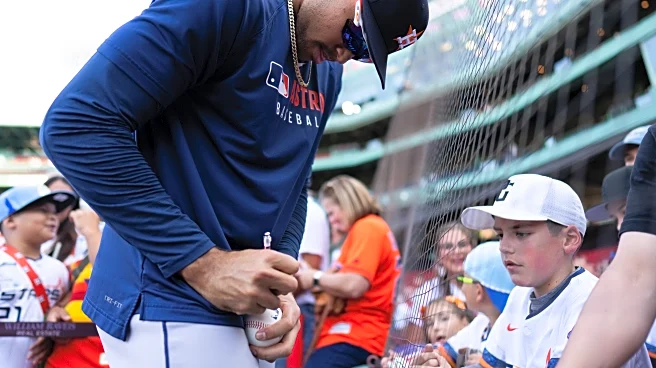
It’s the signed ball from your first game.
The card you pulled as a kid.
The autograph you waited in line for with your dad.
The piece of memorabilia that connects you to the players who made you fall in love with the sport in the first place.
That’s exactly what makes the TRISTAR HOUSTON Sports Collectors SHOW https://www.tristarproductions.com/houston/index.html

Now celebrating its 40th Annual Show, TriStar has become more than just an event — it’s a tradition woven into Houston’s sports culture. And according to owner Jeff Rosenberg, the heart of it has always been the same.
“It’s the community aspect,” Rosenberg said. “We’ve built something where people come in and immediately share stories about how they became collectors and how they found our shows.”
A Hobby That Keeps Generations Connected
The Houston collector scene has changed a lot over the decades, but TriStar has remained a constant — a place where generations overlap.
Rosenberg sees it every year.
“People will come up and tell me they’re 33 years old now, but they remember coming to the show when they were 10,” he said. “They remember meeting guys like Mark McGwire, Sammy Sosa, Astros players — all of it. The growth of the community is astounding.”
That sense of history is what makes TriStar different. It’s not just about what you buy or what you get signed — it’s about what you remember.
For many fans, TriStar is tied directly to family moments, like walking the show floor with a parent or meeting a childhood hero for the first time.
And Rosenberg understands that full-circle feeling deeply.
“It means everything,” he said. “Players will bring their kids and families, and they get to see their children take part in collecting.”
He pointed to longtime guests like Warren Moon, whose family has been part of the TriStar experience through the years.
“The player gets to meet fans, and sometimes they get to meet their own idols too. It goes both ways.”
As a kid I (Brett Chancey) have had the honor of meeting, Mickey Mantle, Ted Williams, Ken Griffey Jr and Sr., Willie Mays, Hank Aaron, Sandy Koufax, Barry Sanders, Dan Marino, Frank Thomas, Craig Biggio, and the list goes on for me personally. A baseball signed by 11 of the 1986 NL West Divsion Champion Houston Astros. Here are a couple pictures of those items.

Sandy Koufax, Ted Williams, Stan Musial, as well Ken Griffey Jr and Sr. all obtained at TRISTAR Shows through the years.

11 of the 1986 Houston Astros N.L. West Division Champions team, obtained at TRISTAR in Houston.
The Card Market Has Never Been Bigger
The memorabilia world has always had its ups and downs, but Rosenberg believes the industry is currently at its peak.
“It’s the biggest it’s ever been,” he said. “I’ve never seen this level of excitement or demand.”
Part of that boom comes from how mainstream collecting has become, especially with new corporate investment and marketing power behind the hobby.
“Topps and Fanatics have brought in PR and promotion,” Rosenberg explained. “And now current players are collecting more than ever — guys like Kevin Durant, Bobby Witt Jr. These athletes have cards of themselves and others.”
In other words, collecting isn’t just for kids anymore — it’s for everyone.
“Thirty years ago, if someone said they met Mickey Mantle, people couldn’t believe it,” Rosenberg said. “Now it’s everywhere.”
Pokémon and Non-Sports Collectibles Are Exploding
While TriStar has always been rooted in sports, one of the biggest evolutions of the modern show is the rise of Pokémon and non-sports collectibles.
“It’s unbelievable,” Rosenberg said.
He recalled a story that perfectly captures the new era.
“A local collector once told us he owned the exact card Logan Paul was bidding on,” Rosenberg said. “He sold it for $55,000 years ago, and now that same card has been offered for $10 million.”
The hobby has created a new type of collector — part nostalgic fan, part serious investor.
“My son was born in 1999. I bought cards back then and gave them to him,” Rosenberg said. “We had no idea they’d become worth so much.”
But even with the money involved, Rosenberg says the emotional connection still matters most.
“There’s an incredible feeling when you hold an item connected to your heroes — like Jose Altuve or Yordan Alvarez,” he said. “Owning something signed by your idol… you can’t say enough about that.”
Astros Stars Still Define the TriStar Experience
For Houston fans, one of the biggest draws has always been the Astros presence — from rising prospects to Hall of Fame legends.
And Rosenberg says the fan experience is designed to feel smooth, exciting, and personal.
“We run an organized experience,” he said. “Tickets are numbered, lines are structured, and fans get their moment.”
His advice for first-timers?
“Have your item ready, have your pen ready, know where you want it signed,” Rosenberg said. “Say hi, congratulate them, maybe even have a question. It’s a great experience.”
A Huge 40th Anniversary Lineup With Something for Everyone
This year’s show is shaping up to be one of the most diverse in TriStar history — and Rosenberg says that’s intentional.
“Diversity,” he said. “We want something for everyone.”
Houston sports will always be front and center.
“We’re in H-Town, so we’re going to have Astros, Texans, Oilers legends — Billy ‘White Shoes’ Johnson, and more.”
TriStar is also expanding into new spaces, including women’s sports.
“We’re always looking at new sports,” Rosenberg said. “Volleyball has a lot of female collectors, and having a Texas A&M national champion is a great opportunity.”
And yes — the celebrity guest list is stacked, because fans asked for it.
“People kept asking, ‘When are you going to have celebrities?’” Rosenberg said. “So we brought in names like Charlie Sheen, Randy Quaid, C. Thomas Howell, Kevin Dillon… it gives everyone something to enjoy.”
To wrap this up I ask Jeff Rosenberg one more question:
“If you were not the owner of TRISTAR would you still be in the collector industry as an indivdiual?” “Yes, I was a collector before TRISTAR and plan to always be a collector.”
Still More Than a Show
At 40 years strong, TriStar isn’t just an autograph event.
It’s Houston’s collector heartbeat.
It’s where Astros memories live.
It’s where fathers and sons come full circle.
It’s where the hobby keeps growing, evolving, and staying connected.
And if Rosenberg’s words make anything clear, it’s this:
TriStar isn’t going anywhere.