


At times during the most chaotic years under Thomas Dimitroff and Terry Fontenot, you could be forgiven for thinking the front office was throwing darts. There were plenty of talented players selected, of course, and in years like 2016 and 2022 you could see players being acquired specifically for coaching staffs excited to utilize them. With shifts to the coaching staff and a sometimes ill-advised laser focus on filling specific needs, though, the Falcons have not always or even often landed stellar
fits in their draft classes.
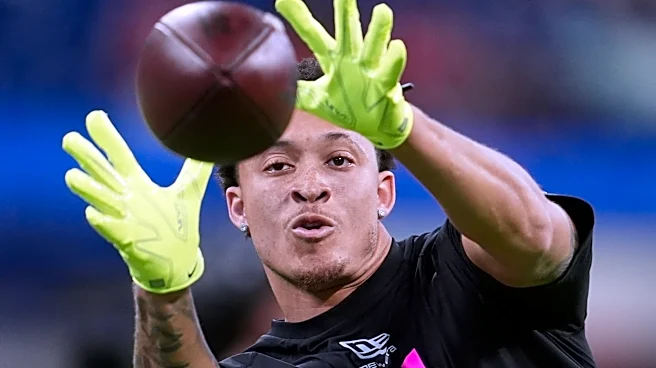
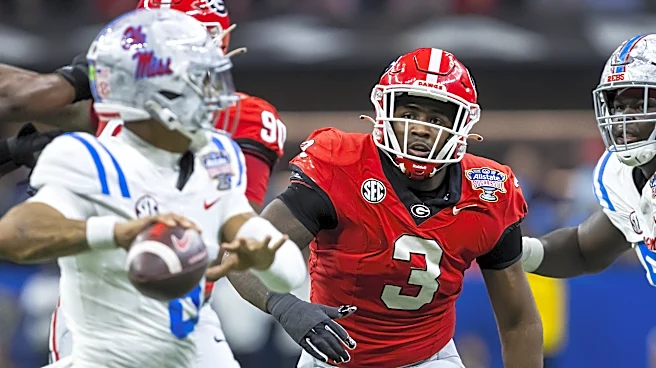
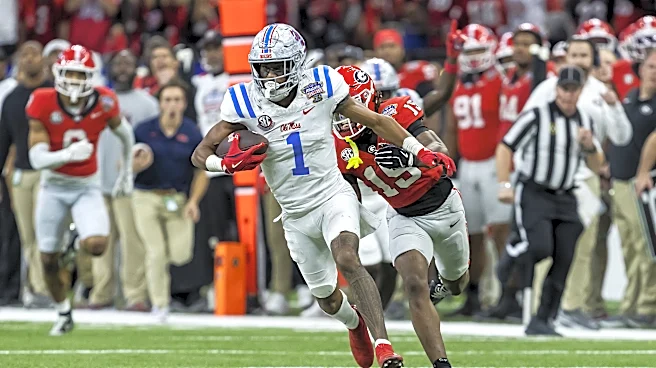
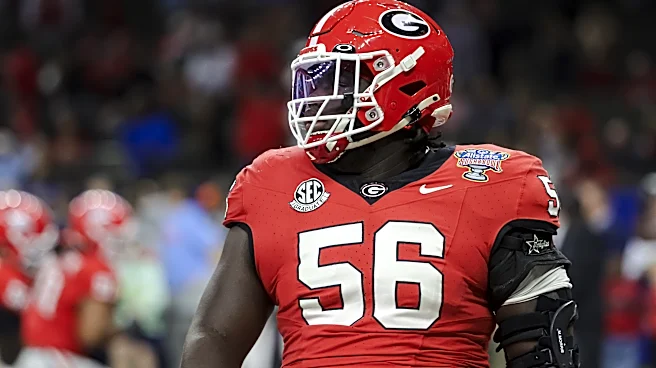
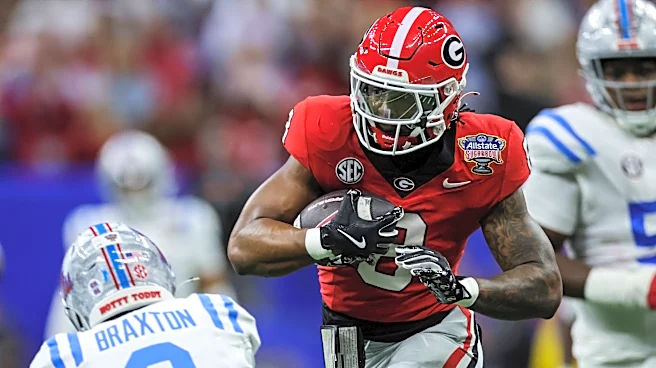
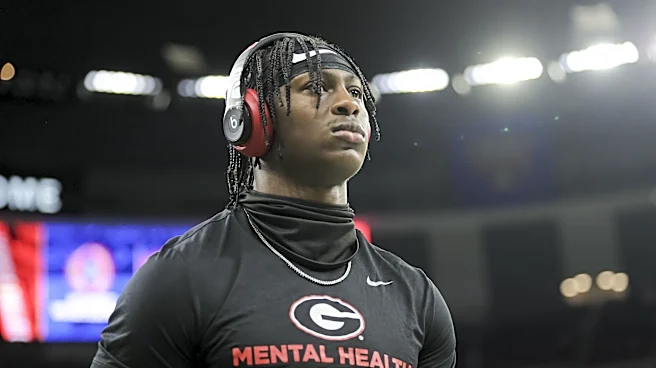
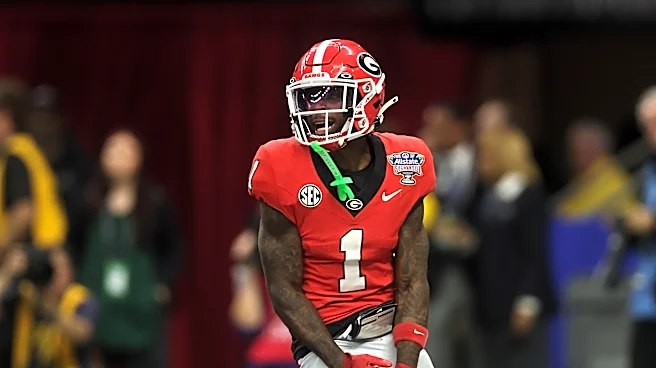
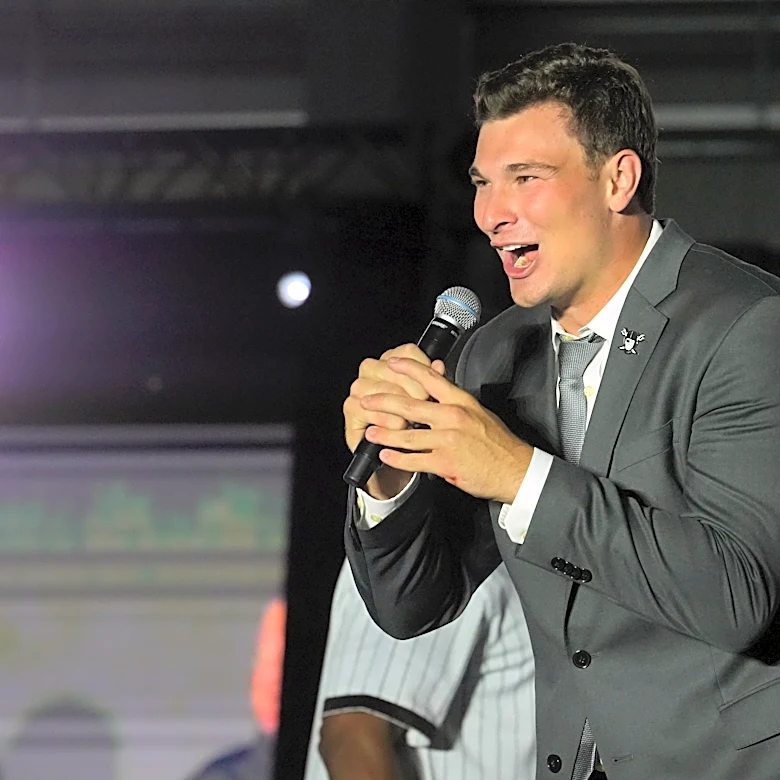
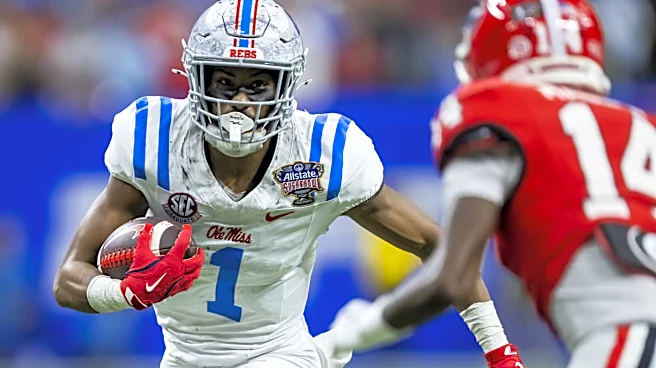
Time will tell with this one, but it’s pretty obvious team fit was on the minds of Matt Ryan, Ian Cunningham, and Kevin Stefanski as this class came together. They got a cornerback who smooths out their persistent coverage issues opposite A.J. Terrell and will have an excellent rapport with him because…well, because he’s literally his brother. They got a receiver who can thrive on the screens Stefanski loves to run and has the speed to be either a pest on crossers for Tua Tagovailoa or difficult to corral on deep shots from Michael Penix Jr. They nabbed a pair of intriguing, hyper-athletic linebackers for Jeff Ulbrich to work with, one in the mold of Divine Deablo and De’Vondre Campbell and the other a sort of positionless chimera who can impact the quarterback from multiple spots. They grabbed another defensive tackle most comfortable in an attacking front, one with quiet promise as both a pass rusher and a run defender. And they capped things off with a mountainous offensive line prospect for Bill Callahan to try to turn into at least a useful reserve.
In each case, there’s not a lot of “we’ll figure things out” evident in these picks. There’s no real question of where they fit on the depth chart or how they’ll be utilized, unless you count Harold Perkins Jr.‘s likely-to-be-multiple roles on the 2026 defense. There are just players who fit what the Falcons want to do right now like a glove, and players they believe their coaching staff can mold into excellent fits for what they want to do in the future. It’s a refreshingly straightforward plan.
Was it all roses? Of course not. Ideally, you’d have liked to see the Falcons prioritizing a young tackle who could potentially take over a year from now when Jawaan Taylor might well be gone, and the team passing up those opportunities did make me wince a bit. While Kyle Pitts essentially gives them another big receiver to work opposite Drake London, the Falcons’ receiving corps is trending small and the Falcons could’ve moved down to pick up additional selections and try to bring in a bigger option. And I know multiple times during the draft there were calls for a big, space-eating defensive lineman that were ignored; the Falcons ultimately went with the intriguing and slightly undersized Anterio Thompson late.
But the Falcons were never going to fill all their needs with their modest number of picks, and trying to force it would’ve indicated nerves a new regime should not have in their first year. They grabbed three players I believe will be starters in this league with six selections and no first round pick, which is a quality haul, and did not give away any 2027 selections along the way. The hope is that these players will answer some questions and fill key roles for the Falcons in 2026, helping them go into 2027 flush with cap space, a full complement of picks, and a chance to focus on major needs like quarterback, tackle, and wide receiver.
Again, this is not me guaranteeing these selections are all going to work out; history tells us some won’t. But it’s a far cry from players having to fit what Zac Robinson wanted to do, rather than the other way around, or trading up to draft a defensive tackle in the second round who needs reps and then parking him while a green defensive coordinator flails around with lackluster veterans. It should lead to better outcomes than drafting Desmond Ridder to be the guy without understanding what it would mean if he wasn’t, inexplicably giving Dirk Koetter another running back to ignore in Qadree Ollison, or foisting John Cominsky to a series of defensive coordinator uninterested or incapable of figuring out his strengths, or handing Peter Konz and Lamar Holmes to an offense that was never going to find a way to make either one successful, if indeed such a thing was possible in the first place.
Dimitroff and Fontenot and the many coaching staffs they worked landed terrific players and did good things, even great things, with some of their prospects, but there were too many selections burned on “what could be” and “we can make him fit what we want to do” rather than “what is” and “he’s a perfect fit for what we want to do.”
We’ll see if an approach that seems more coherent on the surface turns out to be in practice, but it seems to be a strong start for the new regime. Now we’ll see if these fits are as good as they look on paper, and what that means for a team with a high floor and seemingly modest ceiling in 2026.