

We’re five days from the lockout. Our own B Telfer had a great four-part analysis of the situation (start here if you missed it when it came out). Somewhat oddly, the impending deadline seems to be having the effect of driving free agency forward. Three of the top four and eight of the top 21 free agents by Fangraphs’ Contract Crowd Sourcing project have signed. Today is the one year anniversary of the Dylan Cease deal, but that was only the second multi-year signing of the winter (after Phil Maton
signed a non-blockbuster $14.5m, two year deal with the Cubs). The rest of the big signings came in a couple of waves, first at the Winter Meetings in mid-December and then in mid to late January. The lockout deadline is entirely artificial (the owners could always decide not to implement it the moment the current CBA ends), but it’s having a forcing effect none the less.
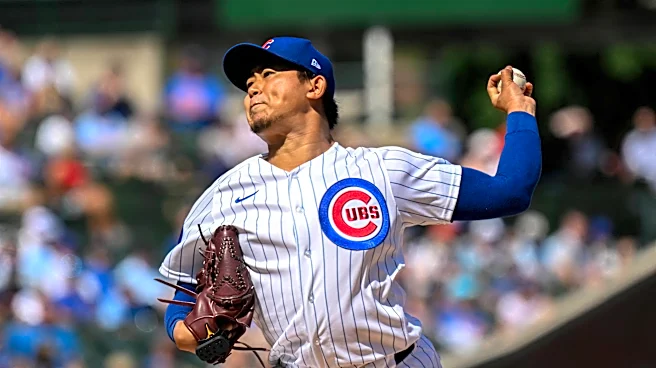
The pitching market has been especially active. The first domino to fall was Dustin May, who slighly exceeded expectations with a three year, $52.5m deal with the White Sox. Sonny Gray followed the next day, landing $55m over two years with the Twins. The big one, of course, came three days later when Tarik Skubal took $450m to take hit talents to Flushing Meadows, Queens for the next nine years. Then, on Friday, Trevor Rogers got $120m from the Cubs. Finally, this morning, the Guardians have signed Kris Bubic to a one year, $17.5m deal.
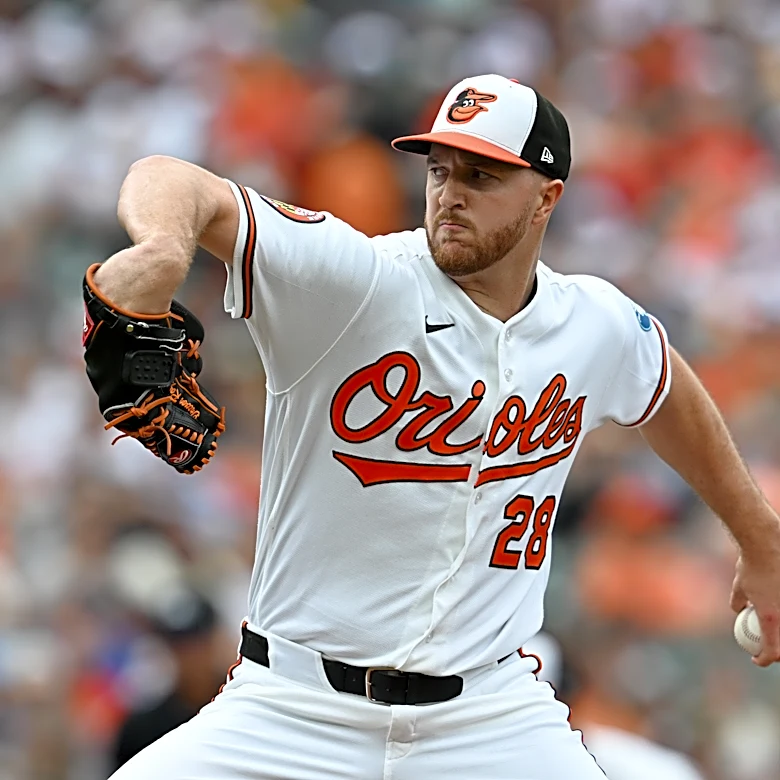
[Edit: not finally, because theOrioles gave Freddy Peralta $125m over five while I was writing this post.]
There are several mid-rotation types left on the market, but prices are looking awfully high. Rogers was right about on the crowdsource expectations, but Skubal cleared them by over $100 million. That’s not the Mets just being the Mets, either, as reports have the Jays in for something just over $400 before Steve Cohen put his foot down. (As a side note,Fangraphs has a very funny but depressing roundup of Jays beat writers trying to temper expectations, as if this fanbase doesn’t already expect to run a close second in these things.) Peralta also appears to have gotten a year more than expected and even beaten the crowd sourced AAV. Dustin May, who’s sometimes pretty good and sometimes more or less healthy but has never really been both, is getting third starter money, while Peralta is getting what would have been a close third for largest pitching contract last winter four months after he couldn’t land the Mets a top 100 prospect at the trade deadline.
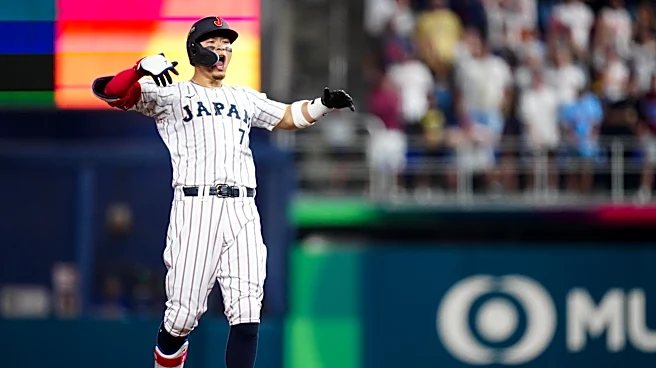
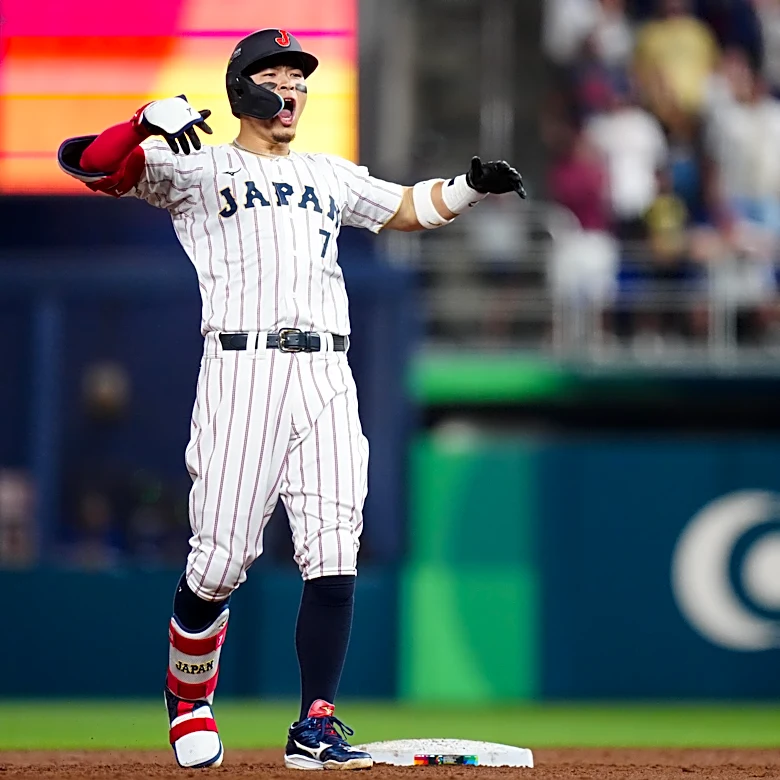
The position player side has been slower. The Red Sox gave up on Triston Casas ever getting healthy and putting it together, giving Jake Bauers $58m to play first for the next four years. Ryan Jeffers accepted the Twins’ qualifying offer, and Paul Goldschmidt hopped the subway from the Bronx to Queens for $8m over one year. The second significant domino, after Bauers, fell this morning. The Cubs made their second major play of the winter, signing Hanshin Tigers star third baseman Teruaki Sato to a six year, $120m pact. Sato was the one free agent known to be jumping early, as the lockout will effectively truncate the posting window for Japanese player this winter, forcing them to sign before December 1st instead of being able to negotiate into the middle of the month as they usually can. This side also suggests a strong, if slightly less hectic, market. Bauers got a fourth year, while Sato got a sixth, and although its just $8m Goldschmidt slightly exceeded expectations too.
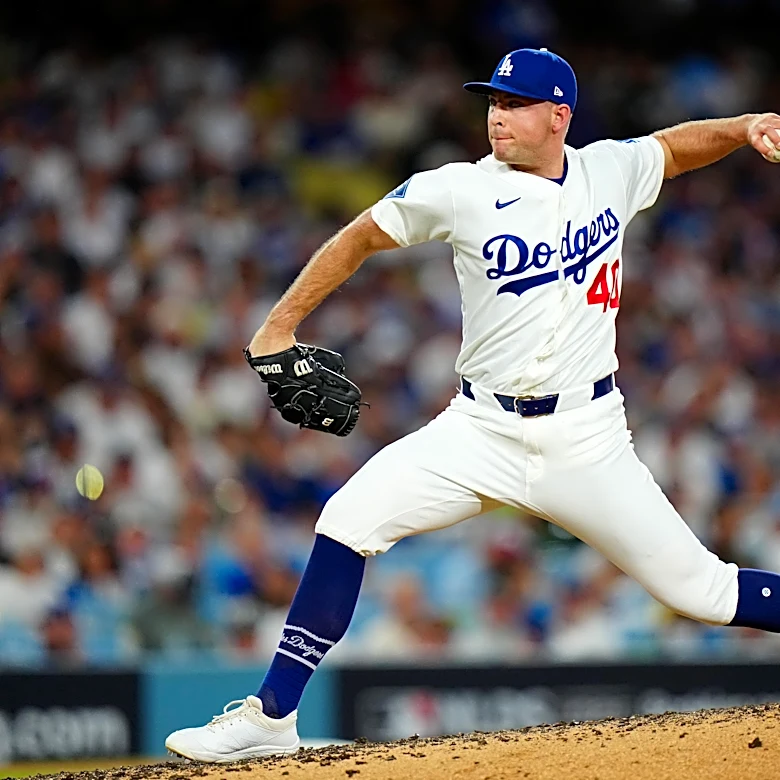
Relievers are getting their due as well. David Bednar accepted a qualifying offer, which doesn’t sound like a coup except that he’s just the sixth reliever in the last eight years to get one. At 32 and coming off a year where his velocity and strikeout rate dipped, that the Yankees extended the offer at all suggests they expect a strong market. Jonathan Loaisiga also exceeded expectations, getting two years and $18m to return to New York after a one year sojourn in Arizona. Evan Phillips, projected for one year and $6.8m after a very good but not great half season in LA coming back from Tommy John, instead got $35m over three from the Barves.
Where does this leave the Jays, then? Their current 40-man payroll and benefits obligations (the numbers used to calculate the competitive balance tax) come to just under $231 million. We don’t know what the luxury tax thresholds will be in 2027 (or whether there will be a hard cap), but repeating last year’s $317m budget seems unlikely. A number similar to their 2025 total spending of $287 million seems plausible, as that’d be right around $40 million over the luxury tax line. Go less than $40m into the tax and, beyond saving tens of millions in taxes, they’d avoid having their first round pick bumped back 10 spots again. They’ll want to keep some room for deadline additions, so a reasonable guess is that they have $50 million and some change to spend.
They probably want a starter, and they badly need a bat in the corner outfield. They could use some bullpen depth, because everybody could. Seiya Suzuki and Randy Arozarena are the obvious offensive fits. Foster Griffin, Michael King, Shota Imanaga or a reunion with Kevin Gausman would all make some degree of sense for the rotation. After that, though, the market is light on impact, and that wish list matches nearly every team with money to spend this winter. The Jays might find themselves needing to move quickly and aggressively to get one player from each list, and fitting both, which looked very plausible a couple of weeks ago, might be a bit tighter than they’d hoped.