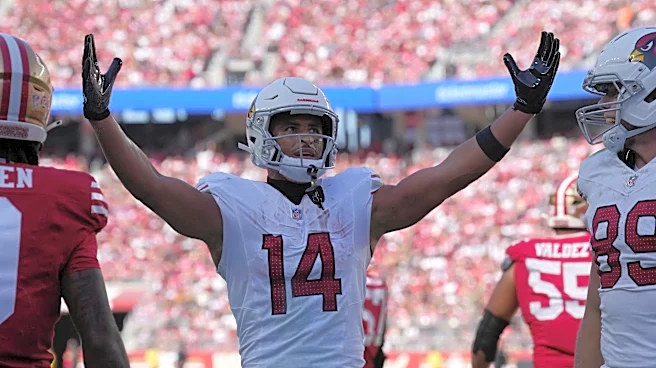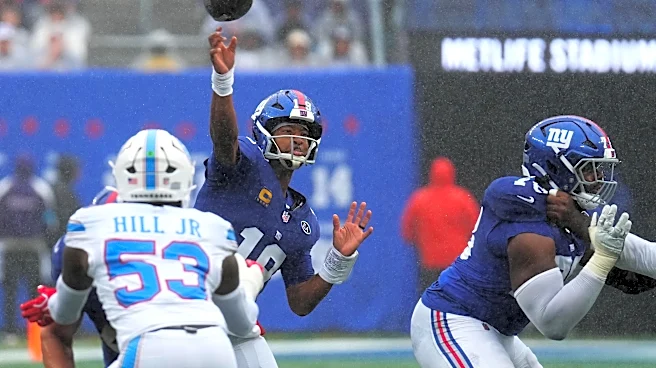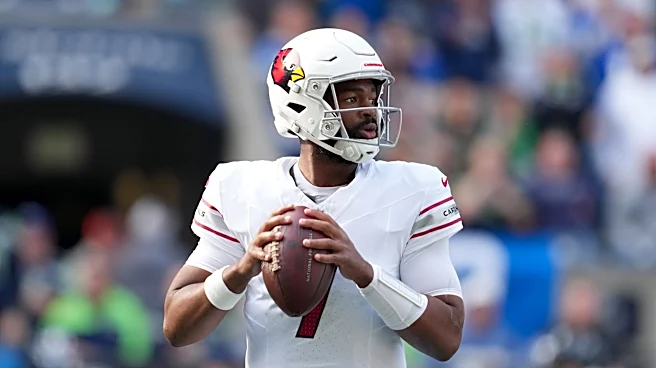

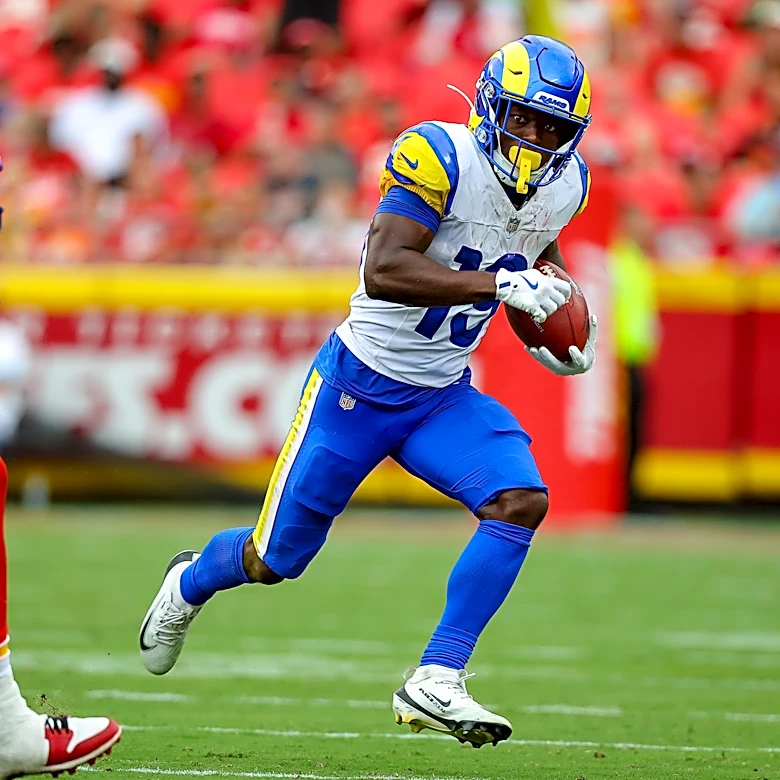
The New York Giants will host the 1-2 Arizona Cardinals at 1 p.m. Sunday, with Arizona favored by 2.5 points and the Over/Under set at 44.5.
The Cardinals opened the season with a surprising 26-14 road victory over the Los Angeles Chargers, though Los Angeles has since shown itself to be a struggling team. Arizona followed that win with a lopsided 31-7 loss to the Seattle Seahawks in Week 2, but bounced back with a strong showing against the San Francisco 49ers in Week 3, falling 36-30 in a more competitive
game, especially after trailing 23-6.
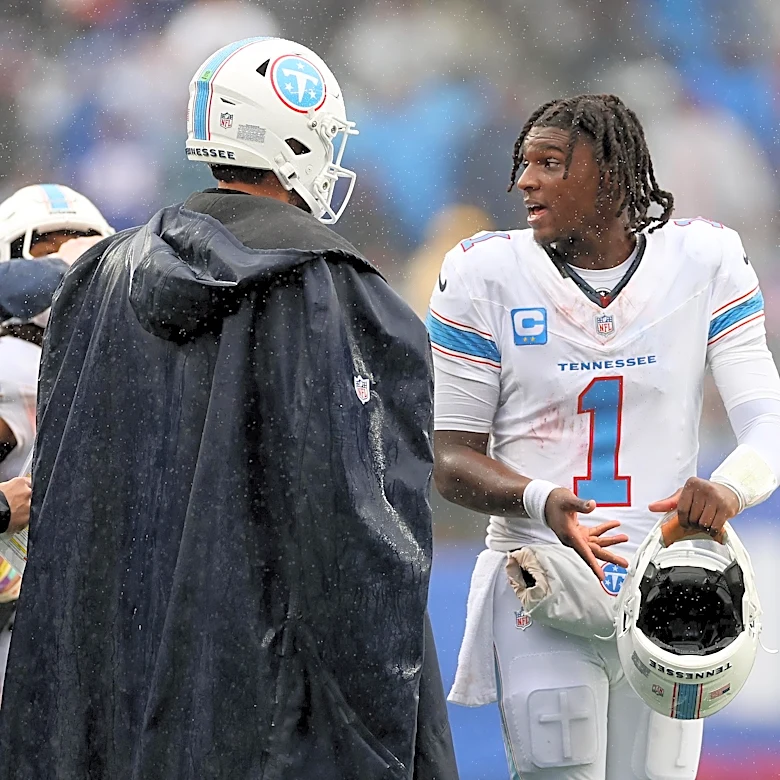
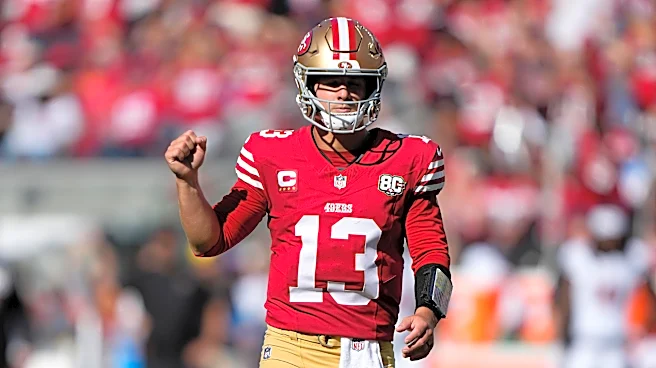
The Giants are 2-1, coming off an uninspiring 12-7 victory over the Tennessee Titans. Jameis Winston has struggled over the past two weeks, and he’ll face an Arizona defense that surrendered 297 passing yards and four touchdowns to Brock Purdy in Week 3, following a Week 2 performance in which Drew Lock threw for 235 yards and three touchdowns.
The seat is beginning to warm up for Winston. New York traded a 2027 fifth-round pick for J.J. McCarthy, raising an obvious question: How much longer will the Giants tolerate inconsistent quarterback play? Can New York’s defense continue giving the offense enough opportunities to win close games, as it did in Week 3?
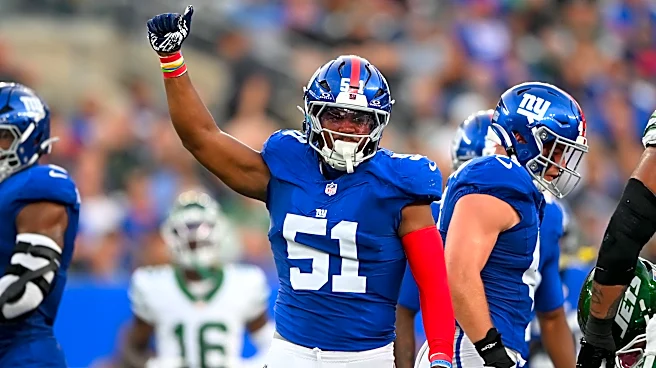
Complementary football has long eluded the Giants. The special teams unit has been a bright spot, but the defense faces a major test against Arizona—especially after the injury to Brian Burns. Can New York’s defense hold up without one of its leaders against an Arizona team that’s shown more competency than many anticipated, despite their 1-2 record? Let’s look at the Cardinals’ personnel and statistics to answer that question.
The Cardinals’ offense
Over three games, the Cardinals rank 18th in points per game, averaging 21 points per game. The Giants are 28th in the NFL, averaging 15.3 points per game. The Cardinals rank 23rd in total yards, averaging 303 yards per game, while the Giants allow 271 yards per game, ranking 29th in the league. Arizona ranks 15th in third-down conversion rate (41%) and 20th in red-zone touchdown rate (55%).
The Cardinals average 210 passing yards per game (17th in the NFL) and 93 rushing yards per game (25th). However, running back Jeremiyah Love — who was selected in the top five — saw his role increase significantly against the 49ers. He had a 63% snap share after just 42% in Week 2.
Love suffered a high-ankle sprain in preseason Week 1, leading to heavy usage for Tyler Allgeier in the first two weeks of the season. Allgeier will have a role, but Mike LaFleur seems comfortable showcasing the talents of Love, who had 26 total touches in Week 3, which is what had TOTAL in his first two games.
Love has 160 yards on 41 carries (3.9 YPC), with one touchdown, 2.76 yards after contact, and five missed tackles forced. Allgeier has 24 carries for 70 yards (2.9 YPC), with 2.38 yards after contact and five missed tackles forced as well.
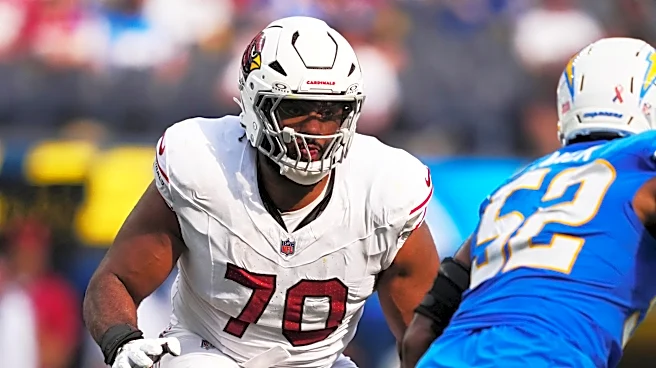
The Cardinals run a lot of DUO up front and want to displace at the point of attack in the run game. Paris Johnson Jr. starts at left tackle and Elijah Wilkinson is the starting right tackle. The latter has struggled as a run blocker, while the former continues to be one of the better young tackles in football. Isaac Seumalo and Isaiah Adams start on the interior — both bigger, more physical interior offensive linemen — and Hjalte Froholdt is their starting center.
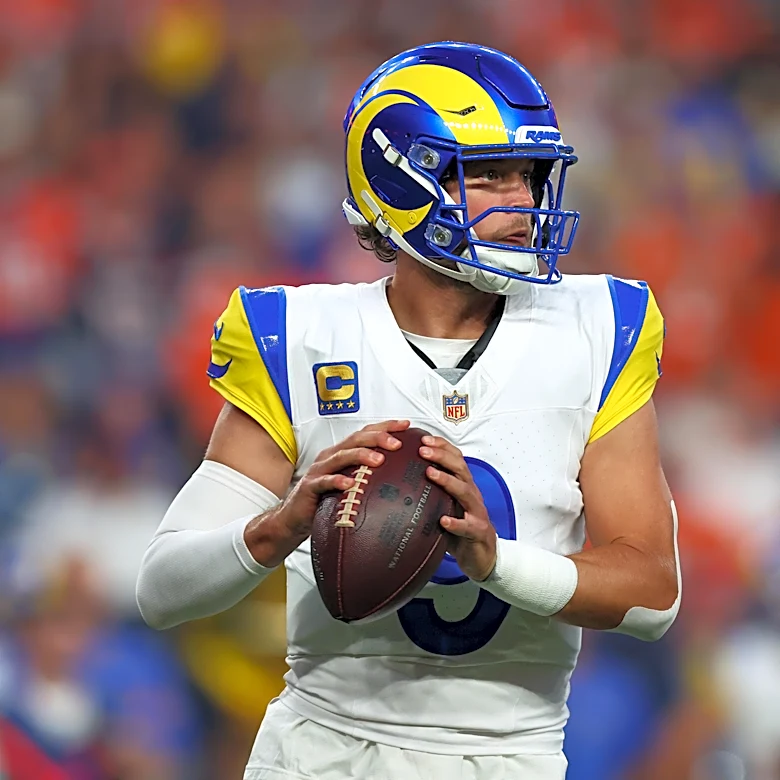
The Giants have to expect a similar DUO blocking scheme that they faced against the Rams in Week 2 — New York surrendered 163 yards on the ground against Kyren Williams and Blake Corum. Expect Love’s role to be similar to Week 3, with Allgeier working in on short-yardage and to spell the talented young rookie.
The wide receiver situation in Arizona is interesting, to say the least. 2024 Top-five pick Marvin Harrison Jr. looks completely disinterested and has appeared this way through two coaching staffs. The Internet believes he could be traded. Here’s Mike LaFleur responding to a question about plays being designed for the disgruntled young receiver:
Harrison Jr. has four receptions on nine targets for 73 yards through three games, despite playing more than 70% of the snaps in each game. Tight end Trey McBride has been a target monster, leading the team with 31 targets and catching 26 for 211 yards and two touchdowns.
Michael Wilson continues to outshine Harrison Jr. The former Stanford Cardinal has been sensational with Jacoby Brissett at quarterback. Wilson averages 10.6 targets and 85.3 yards per game across the last 11 matchups; the Bengals’ Ja’Marr Chase averages 10 targets and 79.7 yards per game through that same span.
Wilson has 18 catches on 27 targets for 163 yards and a touchdown. New York will have its hands full with both Wilson and McBride. Kendrick Bourne is the third receiver, and he’s been efficient, catching 12 of 14 targets for 108 yards.
The matchup
Brissett is playing good football. He’s keeping the Cardinals’ offense on track with a quick, efficient passing attack that matches up well against the Giants. Brissett is completing 70% of his passes with 652 passing yards, four touchdowns, and just one interception. He has a 1.6% big-time throw rate and a 2.3% turnover-worthy play rate, and his receivers have dropped 4.7% of his passes, with 5.6 yards per attempt.
Brissett’s surface-level statistics check out with the more advanced analytics. The Arizona offense ranks 11th in the NFL in EPA (Expected Points Added) per play; they’re especially efficient in short EPA (7th in the NFL), while ranking 27th in deep EPA. The Cardinals, however, are dead last in explosive-play EPA.
Arizona is specifically good out of 11 and 13 personnel, recording the ninth-best EPA from the former and the third-best from the latter. Their 13 personnel package consists of McBride, Eliah Higgins, and Hunter Long. Tight end Tip Reiman is injured, which has affected the Cardinals’ ability to run effectively.
The Giants may look to dial up more pressure without star pass rusher Burns, but Brissett has done well against pressure. He is sixth in EPA when pressures, but 16th in EPA against the blitz. The Cardinals have used 11 personnel at a 62% rate, 12 personnel at a 12% rate, and 13 personnel at an 18% rate. Expect the Giants to align in nickel against 11 and stay mostly in base versus heavier personnel.
The addition of Jihad Ward — who is familiar with Dennard Wilson’s scheme — should lead to a different role for Kayvon Thibodeaux, who will be replacing Burns. There could be lighter fronts in passing situations with Ward, Abdul Carter, Thibodeaux, and Chauncey Golston.
New York ran middle-of-the-field closed often against Cam Ward and the Titans. The Giants may align a bit more in middle-of-the-field open against Brissett. New York should be getting Tae Banks back to help the secondary. Brissett has done well against single-high defenses, sporting the sixth-best EPA when facing single-high looks, although they’ve only seen single-high looks at a 26% rate (27th in the NFL).
The Cardinals rank 25th in EPA against middle-of-the-field open looks, and the Giants have struggled in split-safety looks. How Dennard Wilson balances his safety usage vs.the Cardinals will be interesting to gauge, and could be contingent on how well the Giants are doing up front against Love. New York ranks 31st in EPA when in a light box, with a 40.5% light box rate, which is a rate that ranks 23rd in the NFL.
The Giants currently blitz at a 22.5% rate, which ranks 26th in the NFL. The Cardinals weren’t blitzed much through their first three weeks — seeing just a 24.4% blitz rate, which ranks 28th in the NFL. Generating pressure — something the Giants have failed to do successfully — now without Burns may be a problem, and how Wilson looks to rectify the issue is yet another very interesting thing to observe during this matchup.
I expect Wilson to pick and choose his times to blitz, but we could see more aggression now that the Giants may be healthier in the secondary. The Giants currently rank LAST in generating pressure.
Final thoughts
The Cardinals are efficient with their quick game concepts, and they’ll look to mitigate the Giants’ ability to rush the passer. New York has failed to generate pressure, but the Cardinals have allowed a 31.7% pressure rate, ranking sixth most in the NFL. Lafleur is going to run a quick-hitting offense and attempt to replicate the quick-game success that they’ve seen. The Giants must be tighter with their coverage and pick their spots on when to blitz. This is a winnable game for both teams, but we’re about to learn A LOT about this 2-1 Giants team. The defense may, once again, have to pick up their end of the couch if the Giants want to go 3-1.