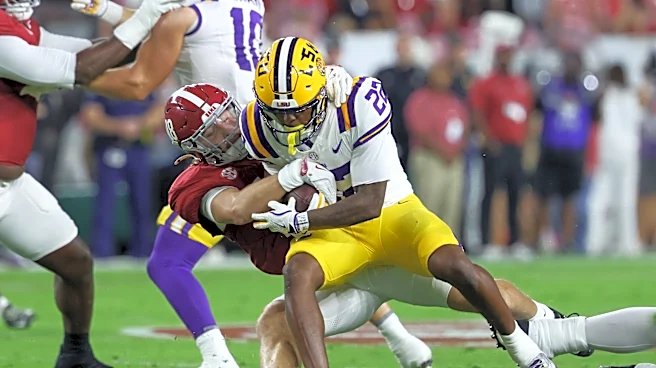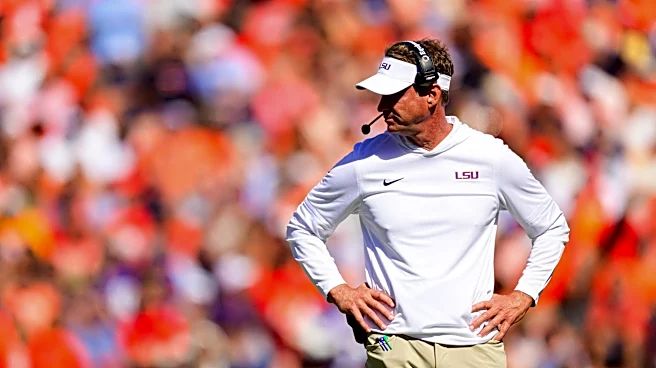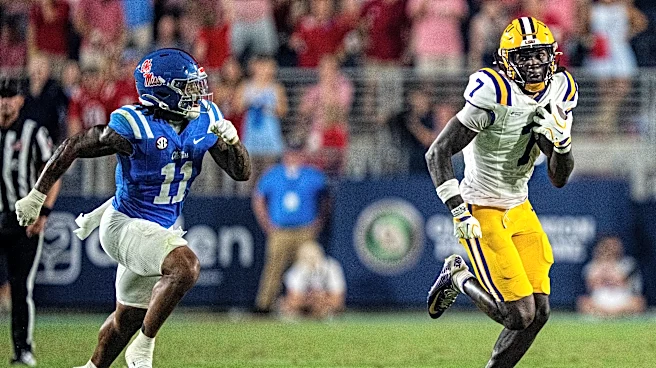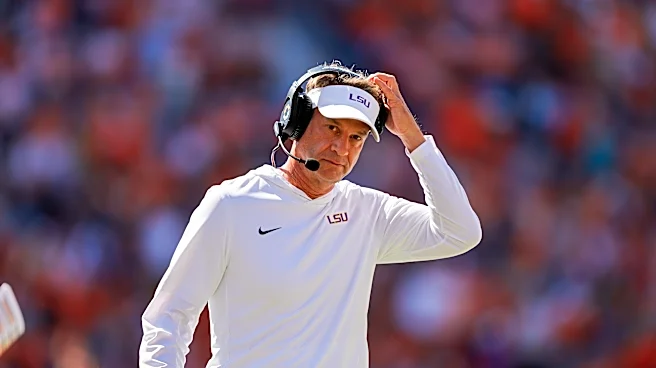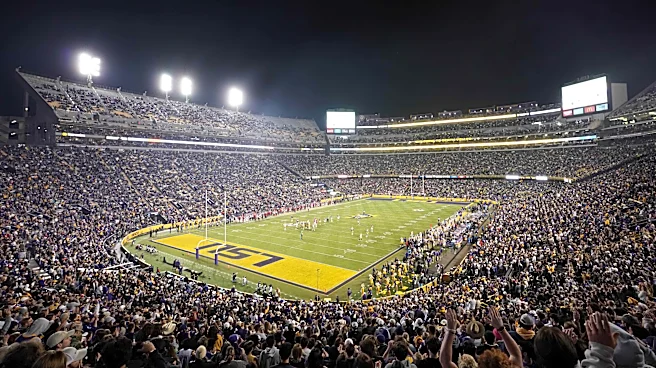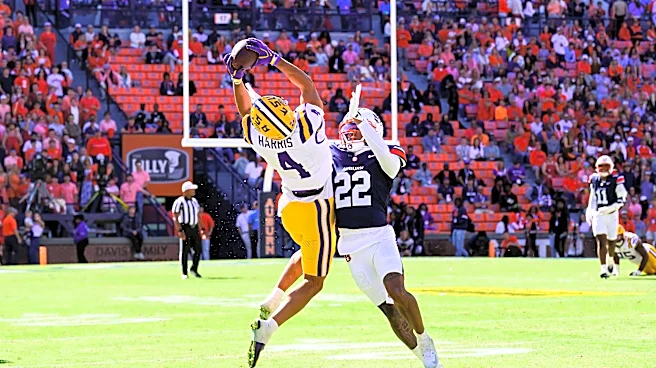




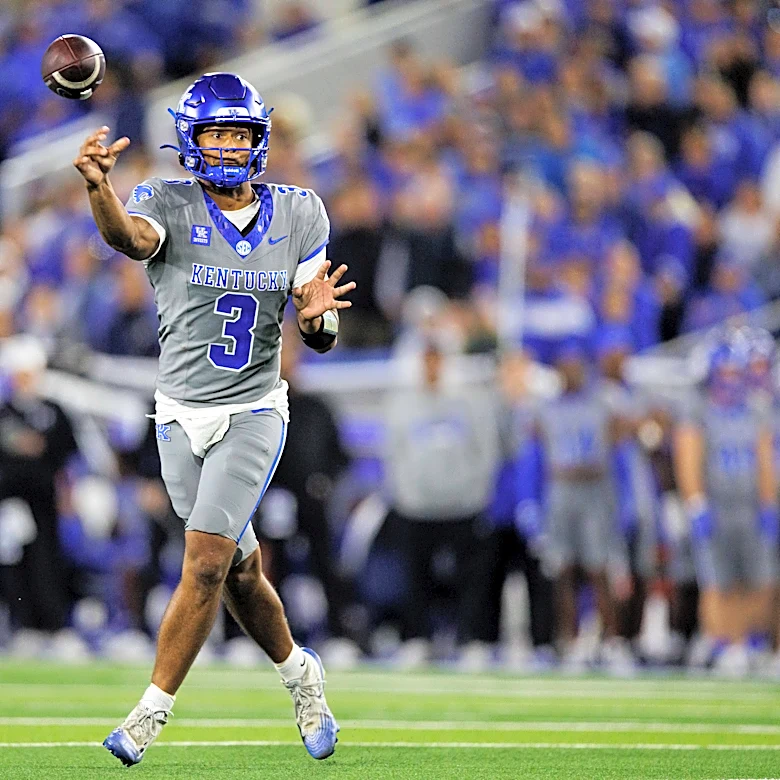

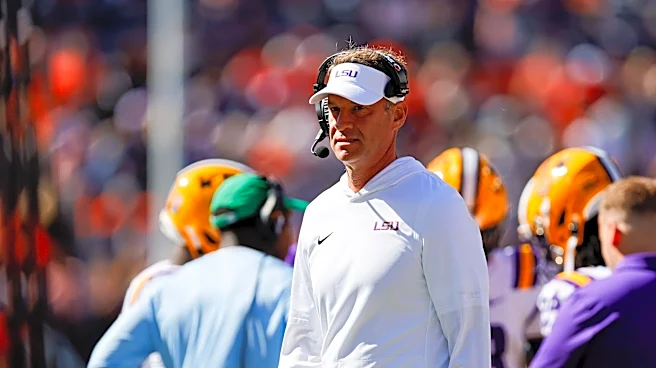
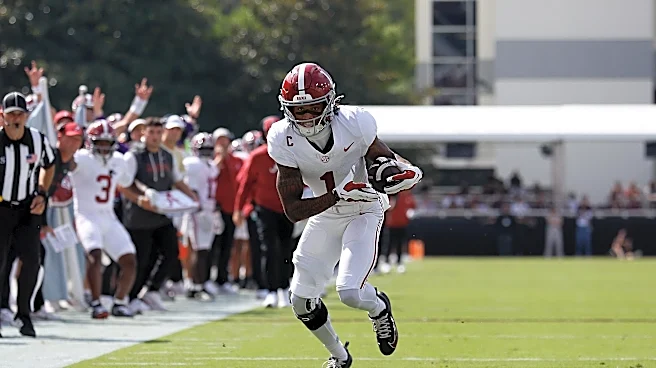
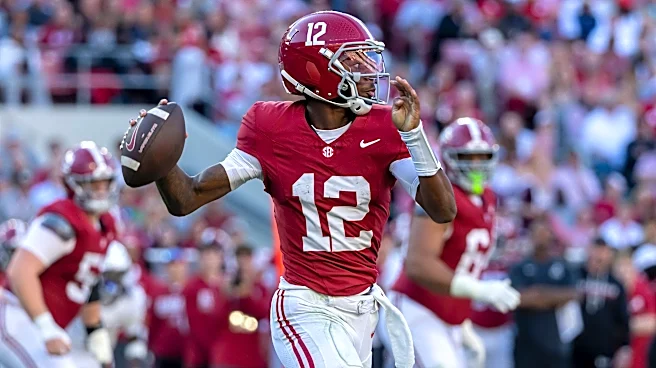

LSU returns from its bye week to match up against Alabama in what will be the final meeting of this annual rivalry. This game will be the first true home test for the Tigers, as the Tide come into Tiger Stadium ranked No. 5 in the nation following the release of the initial College Football Playoff rankings of the season.
This is a very interesting matchup for the Tigers’ offense against a very opportunistic Tide defense. Alabama’s defense has returned five interceptions for touchdowns this season
and has recorded 12 total interceptions. However, for as many interceptions as this secondary has accounted for, it has also surrendered 25 passing plays of 20 yards or more. That’s three explosive passing plays per game, and Alabama ranks 83rd nationally in passes of 20 yards or more allowed.
Overall, Kane Wommack is leading a defense that ranks 41st nationally in total defense, allowing 330 yards per game, and 45th in scoring defense, allowing 21.3 points per game. The Tide ranks 86th in passing defense and 27th in rushing defense, allowing 222.4 yards through the air and 108 yards on the ground.
Alabama’s defense is solid, but this is not Nick Saban’s Alabama defense coming into Tiger Stadium.
LSU will have some favorable matchups against this Bama team, and offensively, the Tigers remain one of the best teams in the nation. LSU is averaging 510 yards per game, which ranks sixth nationally; 40.1 points per game, which ranks seventh; 317.9 passing yards per game, which ranks eighth; and 192.1 rushing yards per game, which ranks 31st.
Now, the key statistic that will be very important in this matchup is third-down conversions. Bama is allowing opponents to convert 33.3% of their third-down attempts, which ranks 30th nationally, while LSU is converting 51.7% of its third-down attempts, which ranks ninth.
If LSU can run the ball and convert on third downs, this will tilt the game in the Tigers’ favor.
But looking deeper into this matchup, the Tide’s defense tends to play a little better on the road than it does at home, while LSU’s offense performs better at home than on the road.
Away from Tuscaloosa, Bama allows just 22 points per game, 77 rushing yards per game, and 209 passing yards per game. Meanwhile, LSU is averaging 45 points per game, 221 rushing yards per game, and 336 passing yards per game at home.
LSU will need to run the ball early and often.
It’s been several weeks since Dilin Jones has rushed for over 100 yards, and this should be a game in which No. 13 gets over the century mark. But it shouldn’t stop there for him. Get him 150 yards from scrimmage. Include him in the passing game and force Alabama to commit to defending both the quick passing game and the running game.
Train the secondary to react to everything happening quickly, and use tempo to lock Alabama into its defensive personnel packages. Once those corners start to cheat up, hit them with deep crossing routes and double moves.
Be aggressive in this game, and don’t play against Bama. Play as LSU.
Don’t come into this game treating it as if it’s something more than what it is, and that’s the next game on the schedule.
This article began by discussing the Alabama secondary and how opportunistic it has been, but the Tide could potentially be without Zabien Brown, one of its better outside corners. Alabama’s nickel corner, Dre Kirkpatrick, was dismissed a few weeks ago due to off-the-field issues.
There will be opportunities to exploit this defense, but Leavitt cannot help Alabama by giving it turnovers.
If LSU can run the ball, utilize tempo and the quick passing game, and commit zero turnovers, the Tigers should be able to cover the spread and continue their bid for a spot in the College Football Playoff.
How do you feel about this matchup with the Tide? Do you think LSU has an advantage offensively in this game?