



Much like city of Los Angeles it resides in, at its essence, the Lakers organization has long been built on the idea of superstardom.
Whether that’s on the big screen, the soundstage or, in the Lakers’ case, someone who can not only be a tentpole performer whose production drives winning on the court, but also possesses the personality and gravitas to draw eyeballs and attract fans off it.
From the days of George Mikan when the team was still in Minneapolis to Luka Dončić today, the ethos of the franchise
has almost always been about acquiring not just the best players, but the biggest stars who could propel the team forward and compete for championships.
This will never change, either. It is embedded into the fabric of what makes up the Lakers as a brand as much as a sports team.
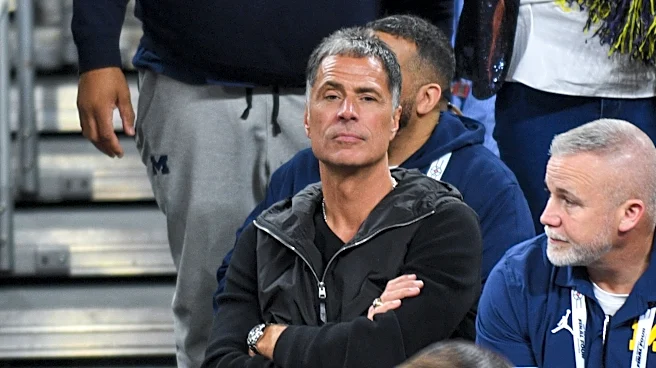
That said, when it comes to team building, I would argue that the Lakers, particularly under Rob Pelinka’s stewardship, have applied this same approach of pedigree and name value to the role players it’s acquired as they have with the superstars those secondary talents are supposed to support.
Said another way, setting aside the true “face of the franchise” players the Lakers are always trying to get their hands on, this front office has typically chased role players who fall into two categories:
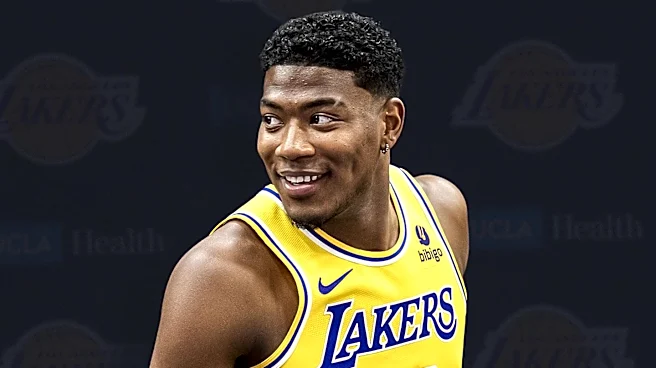
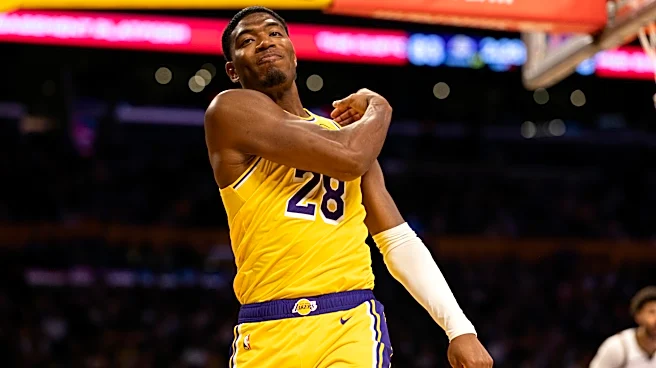
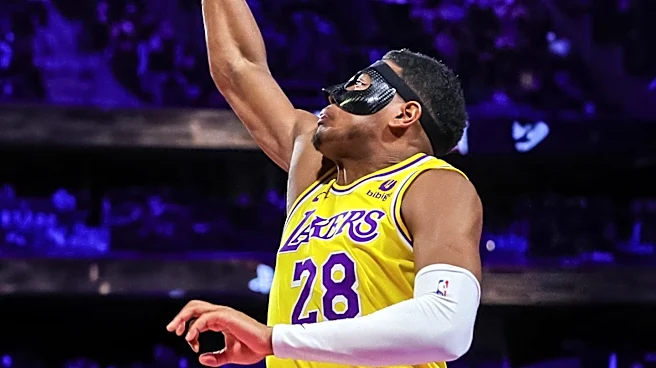
- Former lottery/high draft picks whose original (and sometimes second) teams moved on from them. These are the “second draft” players we are all familiar with: Kentavious Caldwell-Pope, Malik Monk, Rui Hachimura, Cam Reddish, Jaxson Hayes, and Deandre Ayton. These are pure talent and upside plays; the sorts of players you sign in an attempt to capture the talent that got them drafted so high in the first place.
- The “name brand” role players who have either been stars in their roles at the highest level on previous teams or themselves former superstars who have since transitioned to a different phase in their career, but whose original talent makes them attractive as higher level contributors than what their new roles might ask of them initially: Rajon Rondo, Dwight Howard (the secoand and third stint), Danny Green, Trevor Ariza (second stint), Marc Gasol, and Carmelo Anthony.

If you weren’t drafted by the team, signed as an undrafted free agent, or mined out of the G-League, you most likely fell into one of these categories. Are there exceptions? Sure, but look through the team’s rosters under Pelinka and you’ll find way more examples from those two buckets above than ones who do not neatly fit into either.
That is, until this offseason.
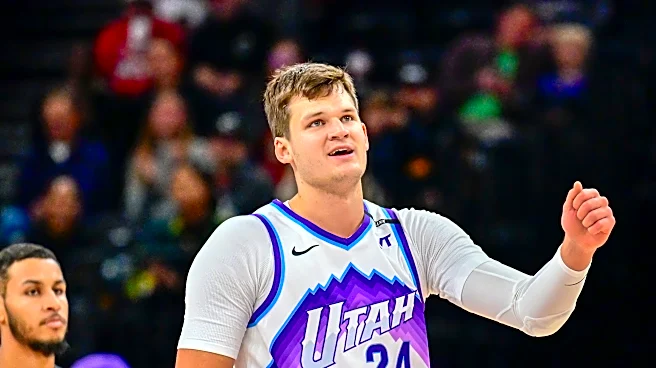
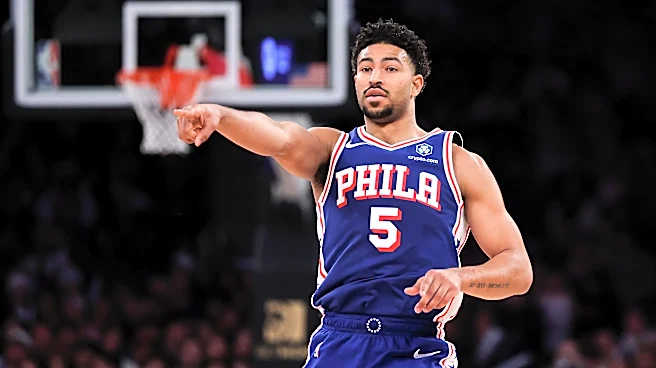
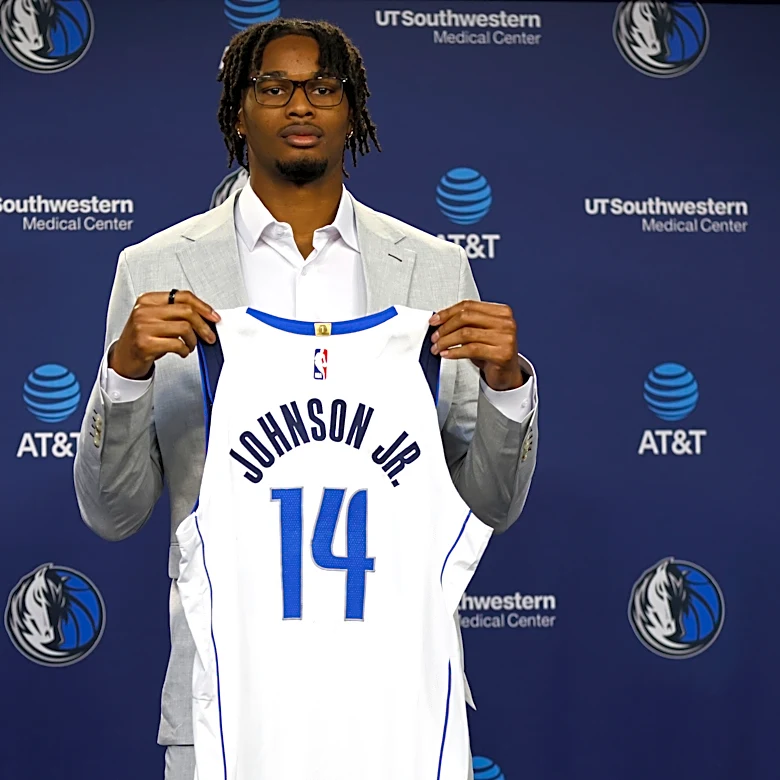
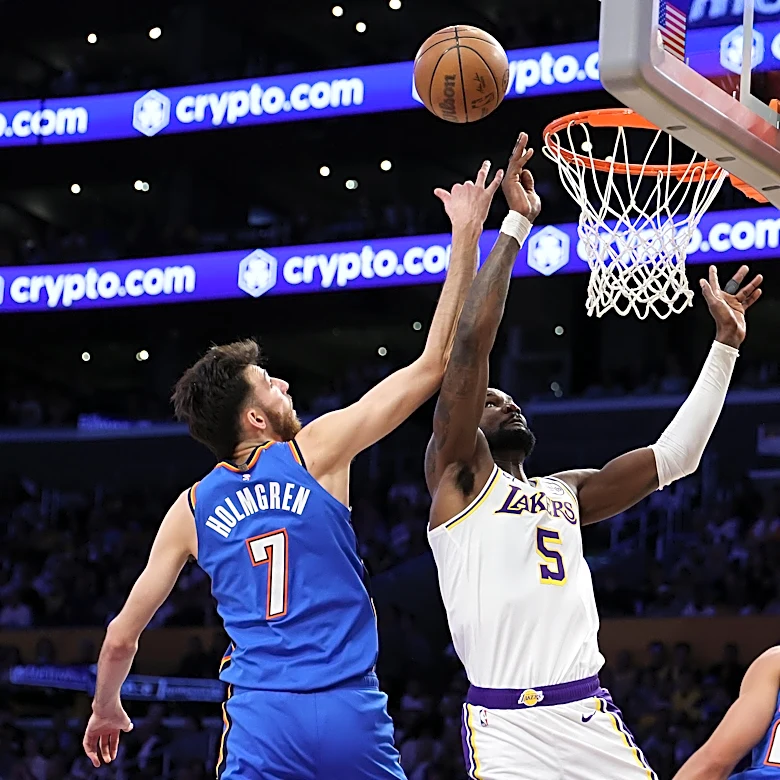
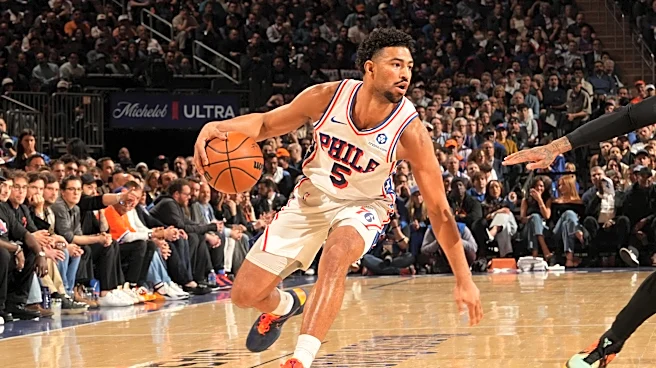
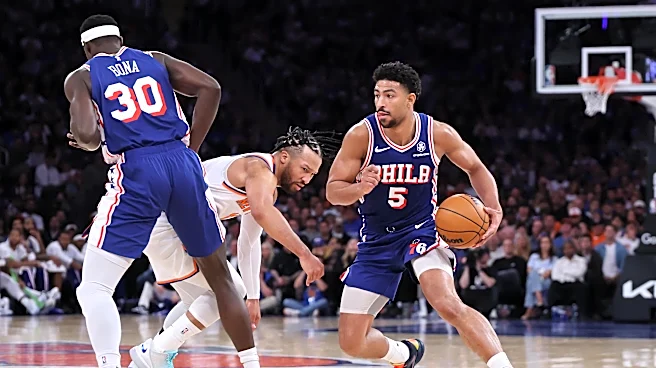
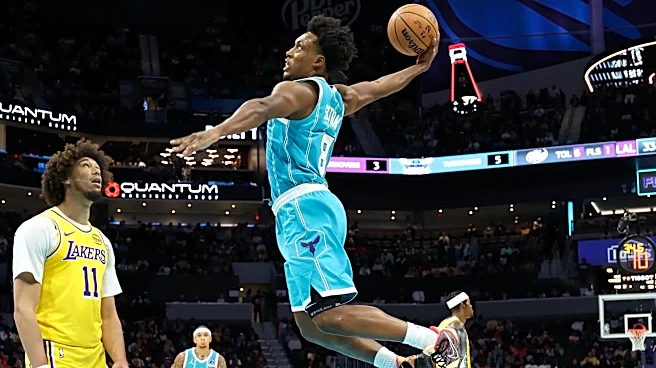
The Lakers made waves early on day two of free agency when they sent a haul of draft picks and used a huge chunk of their cap space to acquire Walker Kessler from the Jazz to be their new starting center. Shortly after, and in rapid succession, the Lakers signed Quentin Grimes, Sandro Mamukelashvili, and Collin Sexton to multi-year contracts, using up the rest of their cap space.
As much as this quartet represents a roster overhaul for an organization going through a sea change after losing LeBron James the day before, they are also a shift from the aforementioned two-pronged approach they’d often taken when chasing complementary players.
Instead, in Kessler, Grimes, Mamu, and Sexton, the Lakers targeted three lesser-known — but in their prime — veterans and one promising, but fairly unproven early 20-something, who are not the sort of prestige-based pedigree plays or name-brand, win-the-press-conference signings we’re used to this front office making.

What this also signals is a shift away from what I consider a more draft-based approach to player evaluation toward a purer version of pro-personnel scouting.
To dig deeper here, in many signings over the years, I’ve felt the Lakers had leaned more on their likes and preferences stemming from evaluations made when players were drafted, rather than on how they’d played as professionals. A common refrain I was used to hearing is that the Lakers “liked this player in the draft when they came out” or “they’ve been interested in them for years, since they were drafted”, rather than how that player might fit into their system or how they complemented the players already on the roster.
Pro-personnel scouting, however, leans more into those latter ideas of how to evaluate what a player has done in the pros and how their skill sets — even if they didn’t quite fit on their previous team — could not only be easily integrated into what your team does but also allow them to thrive. This is a more targeted approach tailored to the specifics of your team, your coach and the systems and schemes.
And this is what I believe the Lakers have done with this group. Sure, there is some previous history with some of these players — Sexton and Kessler played together in Utah, Grimes played with Luka in Dallas — but I would argue that more than any of that familiarity, what the Lakers have really done with these signings is target players who fit into what JJ Redick has said he wants in his players and what has, in the past, proven to be supportive of Dončić’s success.
It would be easy to point to Kessler here as the prime example, but I’d actually look at Mamu as a great representation of this idea.
At the Lakers’ season-end press conference, Redick spoke extensively about wanting to improve the team’s athleticism while also getting more players who have “dribble, pass, and shoot” skill sets. Mamu checks all of these boxes and does it from a man position that allows the team to be bigger on the court without a drop-off in skill.
This sort of big not only fits into how Redick wants to play, but it’s also the sort of archetype that Luka has thrived with in the past. While we often think of Dončić needing a rim-running lob threat, his history with Maxi Kleber also tells the story of a stretch big who can space the floor and give Luka driving lanes as being meaningful to his success.
Similar explanations could be provided for Grimes as a spot-up shooter who can attack closeouts and Sexton as a secondary shot creator who can push Luka off the ball for some possessions and allow him to either be a spot-up option or just allow him to decoy and occupy defenders while allowing his teammate to operate with more freedom.
How successful any of these moves will be remains to be seen. I am hopeful and optimistic, but until the team is fully complete and gets real reps together, no one can know for sure. But what seems clear right now is that these signings do represent a shift in the types of players the team has targeted with what feels like a greater emphasis on a different part of the scouting department.
You can follow Darius on BlueSky at @forumbluegold and find more of his Lakers coverage on the Laker Film Room Podcast.