

The Seattle Seahawks have an opportunity to exploit one of the Las Vegas Raiders’ biggest weaknesses this Sunday. Las Vegas has struggled to establish its own ground game, while its defense has been among the NFL’s worst at stopping the run. For Seattle, the path to controlling this game starts up front, on both sides of the ball.
But the matchup is more complicated than the numbers might suggest. The Seahawks have struggled to run the ball consistently themselves, and the Raiders still have enough
talent to punish an offense that becomes predictable. With Drew Lock dealing with an oblique/elbow injury and Sam Darnold sidelined, Seattle may need to lean even more heavily on its ground game and quick passing concepts.
The ground game could decide this matchup
The Raiders are averaging just 71.3 rushing yards per game and 2.9 yards per carry through nine games. Ashton Jeanty has 362 rushing yards on 114 attempts, averaging 3.2 yards per carry. He has actually produced more yards as a receiver, with 371 yards on 42 catches.
Mike Washington Jr. has been more efficient on the ground, averaging 3.9 yards per carry on 71 attempts for 275 yards. He gives Las Vegas another option, but neither back has helped establish a reliable rushing attack.
That creates an opportunity for Seattle’s defense. The Seahawks have allowed just 78.8 rushing yards per game over their last five contests, including consecutive performances against Kansas City and Arizona in which they surrendered only 50 rushing yards. Chicago, however, ran for 126 yards and three touchdowns against Seattle on November 2, showing that the defense remains vulnerable when an opponent finds ways to create movement at the line of scrimmage and attacking the edges.
The Raiders have struggled to create that movement themselves. Seattle should be able to challenge Jeanty and Washington early, force Las Vegas into unfavorable down-and-distance situations, and make rookie quarterback Fernando Mendoza carry more of the offensive burden.
Can Seattle take advantage of the Raiders’ weakness on the other side of the ball?
Las Vegas is allowing 151.2 rushing yards per game and five yards per carry, both league-worst figures. That is a significant opportunity for a Seahawks offense that has averaged 110.8 rushing yards per game this season, although Seattle’s 3.9 yards per carry shows that consistency has been an issue.
Zach Charbonnet’s return offers some reason for optimism. In his second game back from an ACL injury, Charbonnet led Seattle with 77 rushing yards on 16 carries against Arizona. Jadarian Price added 24 yards on nine carries, along with four catches for 54 receiving yards. Their contributions helped Seattle put together a more effective ground attack last week.
Sunday will be their third game together this season, giving the Seahawks another opportunity to build on that progress.
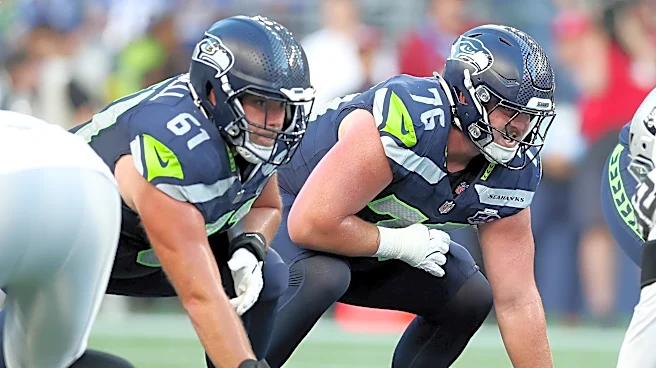
The offensive line, however, remains central to the equation. Seattle’s struggles cannot be pinned entirely on its running backs. The unit has struggled to consistently create movement, and injuries have forced changes across the line. The return of Charbonnet helps, but even the best running backs need room to work.
That balance run vs pass matters even more this week. With Lock managing an additional oblique injury, Seattle has good reason to emphasize quick throws and a strong running game rather than repeatedly asking its quarterback to hold the ball and make difficult downfield reads.
If the Seahawks can establish the run, they can dictate the pace, protect their quarterback, and keep Maxx Crosby from becoming the defining factor in the game.
Brock Bowers is the biggest threat in the passing game
Despite missing two games, Bowers has recorded 48 receptions for 658 yards and six touchdowns in seven appearances. That translates to 94 receiving yards per game, with an average of ten targets per contest. Those are outstanding numbers for a tight end, particularly one who has already demonstrated the ability to produce against different defensive looks.
Bowers also brings positional versatility. He can line up as a traditional tight end, move into the slot, align outside. That flexibility forces defenses to adjust their personnel and assignments before the snap.
When Bowers lines up inside, linebackers and safeties may be responsible for covering him. When he moves outside, cornerbacks can be forced into difficult matchups. His alignment can also create opportunities for Las Vegas to isolate him against a defender it believes it can exploit.
The challenge does not end when the ball arrives. Bowers is dangerous after the catch, capable of turning a short completion into a significant gain. Seattle must therefore do more than simply keep him in front of the defense. Tackling and closing throwing windows will be just as important as the initial coverage.
The Seahawks have shown they can limit tight ends by keeping the ball in front of them and preventing additional yards after the catch. The first matchup with Arizona’s Trey McBride provides a useful recent example to study. Seattle allowed McBride to get involved as a receiver, but limited his yard production.
The Seahawks have had strong stretches defending tight ends, but spacing in the underneath zones remains an area to monitor. Bowers is precisely the kind of player who can find those spaces, settle into soft spots in coverage, and force defenders to make difficult tackles.
Seattle cannot afford to lose track of him when the Raiders use motion or change his alignment. Communication before the snap will be critical, especially if Las Vegas tries to force a linebacker into coverage against Bowers.
The other weapons: Tre Tucker and Michael Mayer
Bowers is the centerpiece, but the Raiders have other receiving options capable of making Seattle pay if the defense concentrates too heavily on the tight end.
Tre Tucker is the most obvious threat downfield. He has 33 receptions for 529 yards and four touchdowns, averaging 16 yards per catch. His 58.8 receiving yards per game and ability to stretch the field make him an important part of the Raiders’ passing attack.
Michael Mayer is another player to watch. The second tight end has 39 receptions for 388 yards and a touchdown. His presence becomes particularly important when the Raiders deploy two-tight-end formations, allowing them to create different combinations of blocking and receiving threats.
Jeanty also remains a receiving threat out of the backfield, adding another player Seattle must account for in underneath coverage.
Protecting Drew Lock and handling Maxx Crosby
Seattle’s offensive line faces a difficult test against Crosby, one of the league’s most disruptive edge defenders. He has four sacks this season, but his impact extends beyond the sack total. His ability to generate pressure, attack the quarterback’s launch point, and disrupt plays makes him dangerous even when he does not finish with a takedown.
The Raiders have recorded 19 sacks as a team, with Kwity Paye and Malcolm Koonce contributing three apiece. Crosby is the headliner, but Seattle cannot afford to focus exclusively on him and leave the other rushers with favorable opportunities.
Seattle may therefore need to favor quicker reads, shorter throws, and a greater emphasis on getting the ball out before the pass rush arrives once Lock has elbow and oblique injury.
That approach also makes sense against Crosby. The longer the quarterback holds the ball, the more time the Raiders’ pass rush has to create pressure. Quick throws can neutralize some of that advantage, particularly if Seattle can pair them with an effective running game.
The Seahawks have also shown that they can avoid sacks when their protection and decision-making work together. Lock has taken only two sacks in his three appearances this season, despite attempting 76 passes.
Seattle should continue to use that approach rather than repeatedly asking its offensive line to hold up against Crosby in obvious passing situations. If the Seahawks can remain ahead of the chains, use play-action effectively, and avoid predictable third-and-long situations, they will have a better chance of keeping the pass rush under control.
Fernando Mendoza faces Mike Macdonald
On the other side of the ball, the Seahawks have a chance to make life difficult for another rookie quarterback.
Fernando Mendoza, the No. 1 overall pick in the 2026 NFL Draft, has been named the Raiders’ starting quarterback following Kirk Cousins’ trade to Minnesota. Mendoza has appeared in just one regular-season game, completing six of eight passes for 48 yards against New England. Sunday will be his first NFL start.
That is a significant challenge against Mike Macdonald’s defense.
Seattle entered Week 10 ranked among the league’s best defenses, and its performance against Arizona was particularly impressive. The Seahawks held the Cardinals to three points, 50 rushing yards, and 166 passing yards while recording three sacks.
Macdonald has shown that he is willing to change his approach when personnel limitations demand it. Against Arizona, Seattle used an unusually aggressive pressure plan, with blitzes. The Seahawks were dealing with several significant absences, including Leonard Williams and Uchenna Nwosu, and the added pressure helped compensate for a reduced pass-rush rotation.
It would not be surprising to see Seattle continue using simulated pressures, disguised coverages, and different blitz looks against Mendoza. The objective would not necessarily be to send extra rushers on every passing down, but to make the rookie identify the defense, recognize where pressure is coming from, and process his reads quickly.
That is particularly important for a quarterback making his first start. A defense that disguises its intentions can force hesitation, disrupt timing, and create opportunities for pressure before the play has time to develop.
Final Thoughts
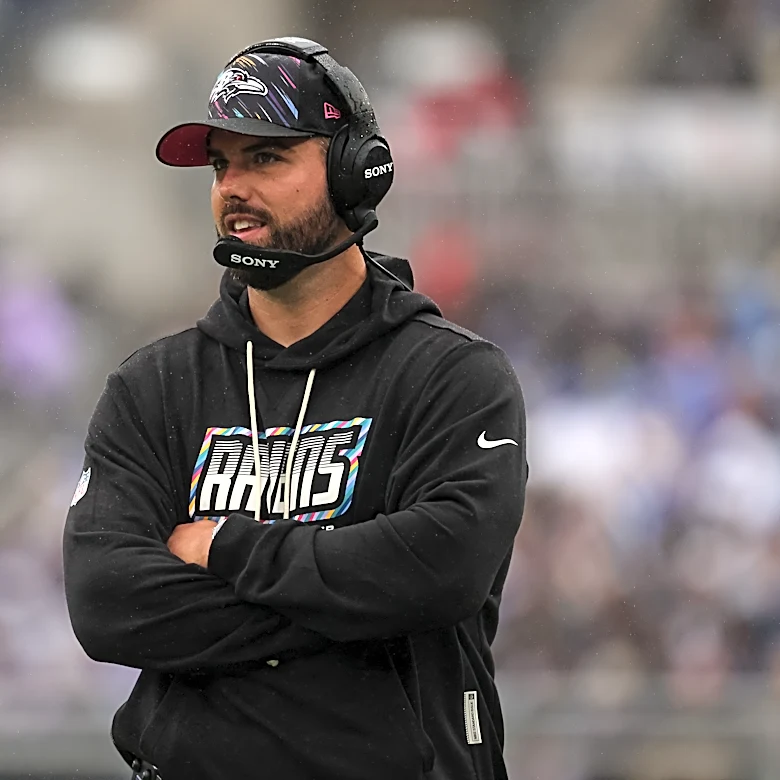
This matchup brings together two coaches who know each other’s football philosophies well. Kubiak spent the 2025 season with Seattle. Their time together means each understands something about the other’s approach, tendencies, and preferred ways of attacking an opponent.
Macdonald has spoken about the challenges Kubiak’s offense presented during their practices together. But familiarity only goes so far. The Seahawks still need to execute, protect their quarterback, and avoid allowing Crosby to dictate the game. Defensively, they must contain Bowers, keep Tucker from generating explosive plays, and make Mendoza prove he can consistently beat an NFL defense.
This should not be an easy game, especially with Seattle managing injuries. But if the Seahawks have genuine postseason ambitions, these are the kinds of matchups they need to win.
The opportunity is there; now they have to take it.