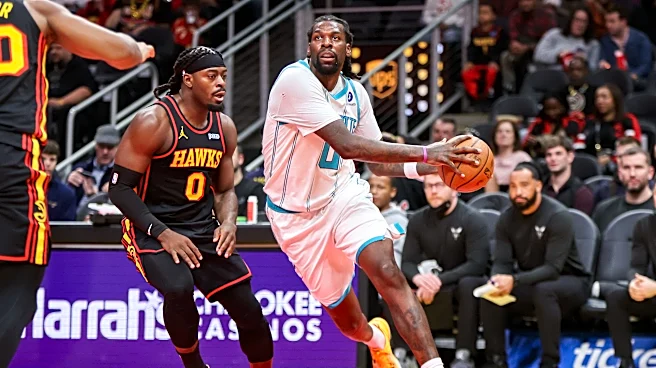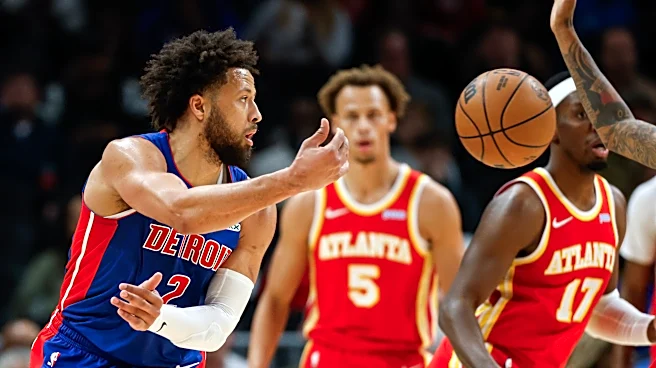


Dyson Daniels’ defense has become his calling card, but his rebounding is making a strong case as his second-best skill.
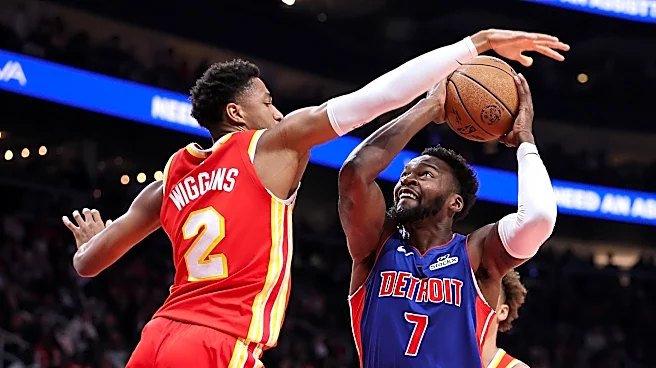
Sunday’s 107–97 home victory over the Detroit Pistons offered another example. The Hawks earned their fourth consecutive win with contributions throughout the roster, but Daniels helped shape the game despite scoring just five points.
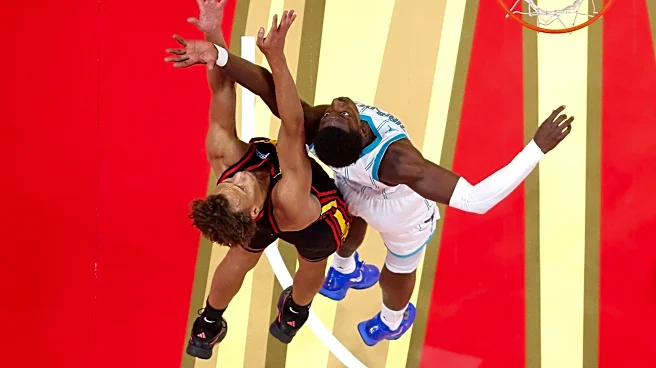
He finished with 14 rebounds, eight assists, five steals and two blocks. His rebounds were split evenly between the offensive and defensive glass,
giving Atlanta seven additional opportunities while helping end Detroit possessions at the other end.
That balance explains why his rebounding deserves its own recognition. Daniels does more than collect available defensive boards. He actively extends possessions, giving teammates another chance to score when the initial shot does not fall.
For an offense working through inconsistent stretches, those extra opportunities matter. An offensive rebound can turn an empty possession into a putback, a kickout three or another chance to attack an unsettled defense. Daniels can contribute to that process without needing a play called for him.
Head coach Quin Snyder recognizes how unusual that production is from a guard.
“It’s been pretty unusual what [Dyson] has been able to do to rebound the ball,” Snyder said.
Daniels’ anticipation translates naturally from defending to pursuing rebounds. Reading a possession, recognizing where the ball could go and reacting before an opponent are valuable in both situations. His willingness to compete in traffic adds another element to that awareness.
His defensive rebounds also connect directly to Atlanta’s preferred pace. When Daniels secures the ball himself, he can initiate the next possession without waiting for an outlet pass. That gives the Hawks an opportunity to advance quickly and find advantages before the opposing defense gets organized.
His eight assists against Detroit illustrated the broader value of having another player capable of gathering the ball and creating for teammates. Rebounding and playmaking can work together, helping Atlanta move from a defensive stop into its offense.
There is a reasonable argument for placing his passing alongside his rebounding when evaluating his strongest skills. However, the Detroit performance showed how controlling possessions can influence a game even when his scoring remains limited.
Daniels’ shooting still matters to Atlanta’s long-term offensive ceiling. His rebounding does not erase that area for improvement, but it gives him another dependable way to help when shots are not falling.
The Hawks already rely on Daniels to disrupt opponents. His work on the glass helps ensure those defensive efforts produce completed stops while creating second chances offensively.
That is what makes his rebounding so valuable. It strengthens both ends of the floor and reinforces why his impact reaches well beyond his point total.