

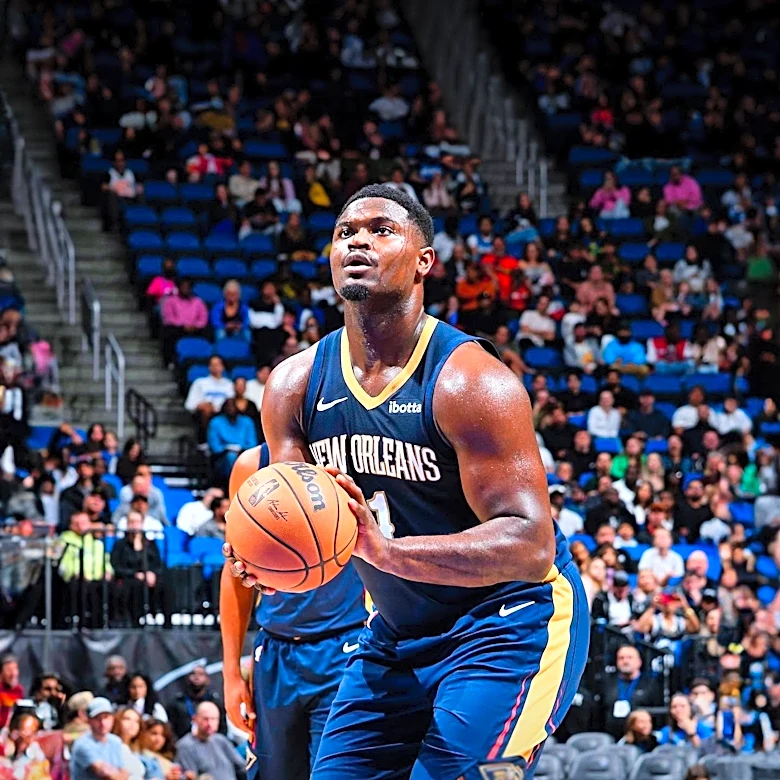


To say it has been a shocking week for the Minnesota Timberwolves would be selling it incredibly short.
Heading into the NBA Draft, this offseason had all the makings of being a fairly quiet one for Minnesota. The Wolves were sitting on the 28th overall pick in the first round, the Giannis Antetokounmpo rumors appeared to be drifting toward destinations like Miami or Boston, and there wasn’t much to suggest that Tim Connelly was preparing to light a match under the roster.
Then, in classic NBA fashion,
everything happened at once.
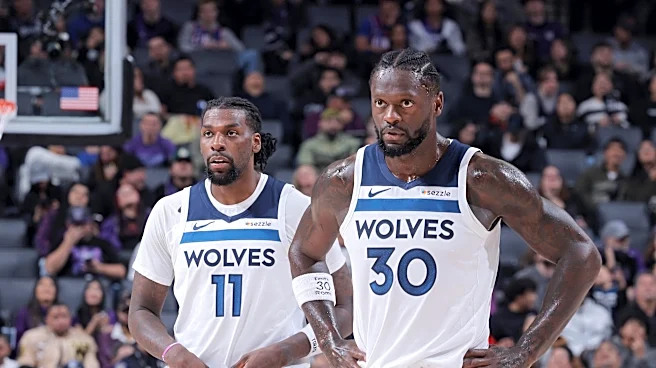
Shortly before the draft, news broke that Julius Randle was headed to the Brooklyn Nets as part of a three-team trade involving the Chicago Bulls. The move itself wasn’t necessarily the surprise. After Randle’s disappointing postseason, there had been growing consensus throughout Wolves Nation that Minnesota needed to explore moving him. The surprising part wasn’t that Randle was traded. It was what Minnesota received in return.
Or perhaps more accurately…what they didn’t receive.
Instead of bringing back another established player, the Timberwolves essentially used Randle as a salary dump. Minnesota also shipped out the 28th overall pick while receiving Brooklyn’s 31st selection back in return, moving from the back end of the first round to the top of the second. The immediate return consisted primarily of financial flexibility, a sizeable trade exception, and breathing room beneath the apron restrictions.
From a purely financial standpoint, the move made perfect sense. The move gave Minnesota the flexibility to extend an generous offer to Ayo Dosunmu, who had established himself as an important piece after arriving from Chicago at the trade deadline. Sliding from the 28th pick to the 31st pick also reduced the financial commitment attached to the incoming rookie while still allowing the Wolves to select a player in virtually the same talent tier. If you view the transaction through the lens of roster construction and cap management, you could certainly understand the logic.
The emotional reaction, however, was something entirely different. Julius Randle represented arguably the Wolves’ biggest trade asset. Fans had spent the better part of the spring dreaming about him being packaged in a blockbuster that addressed Minnesota’s glaring need at point guard. Instead, they watched the team’s second-best player disappear into a financial vacuum. Even supporters who understood the salary-cap mechanics couldn’t help but feel underwhelmed.
That disappointment showed up immediately in our SB Nation Reacts poll.

Only 35 percent of Timberwolves fans approved of the Julius Randle trade in the immediate aftermath. The result wasn’t particularly surprising.nViewed in isolation, the trade looked underwhelming. Fans naturally evaluate transactions by asking one simple question: “Did we get better?” At that particular moment, it was impossible to answer yes. The Wolves had lost one of their most talented offensive players, slid back in the draft, and had not yet solved their biggest roster issue. It wasn’t difficult to understand why nearly two-thirds of the fan base felt frustrated.
The important part, though, was recognizing that Tim Connelly almost certainly wasn’t finished. General managers rarely create that much financial flexibility without another move already brewing. Salary dumps don’t happen in a vacuum, especially for contenders. They’re usually the first domino, not the last one.
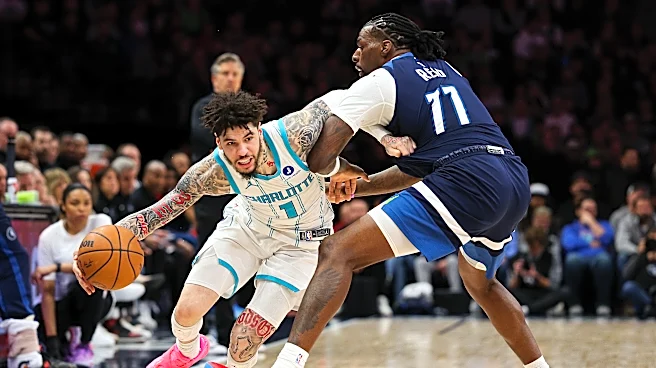
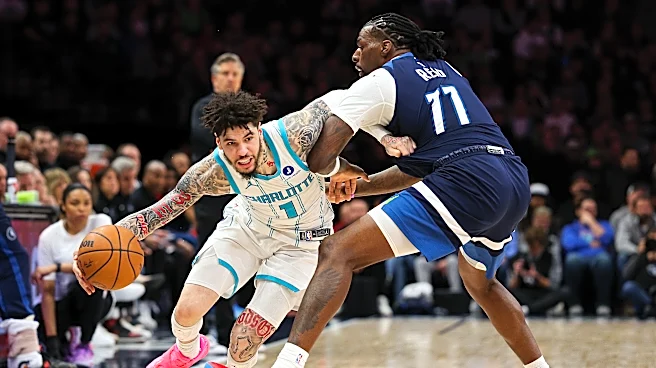
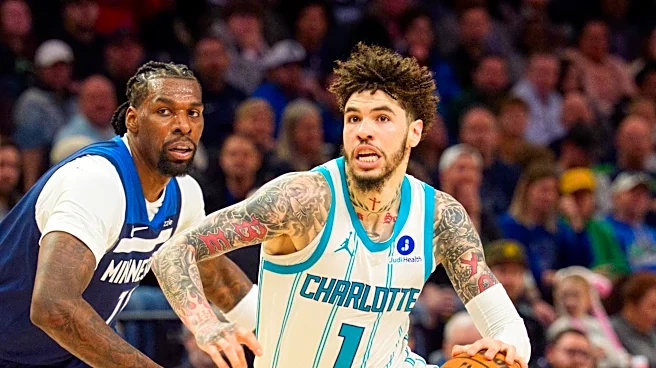
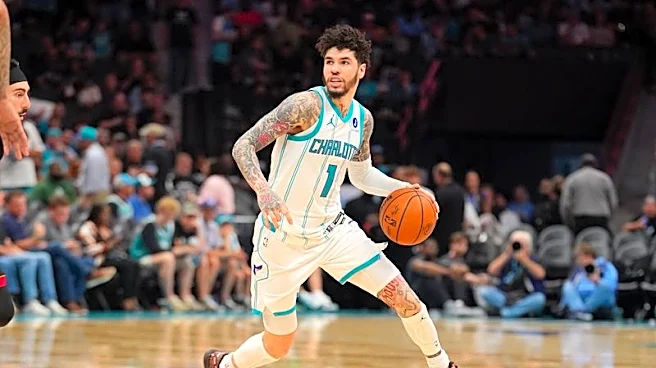
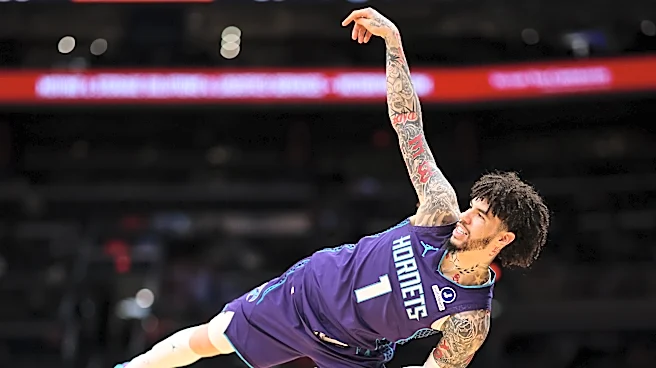
As it turns out, Wolves fans didn’t have to wait very long for the second domino to fall. Just days later, Minnesota completely reshaped its roster by acquiring LaMelo Ball from the Charlotte Hornets. In order to make that happen, the Timberwolves packaged Naz Reid, a 2033 first-round pick, multiple pick swaps, and additional second-round selections to Charlotte. Suddenly, the seemingly confusing Randle trade snapped into focus.
Looking at the entire sequence instead of judging each transaction independently, Minnesota had effectively turned Julius Randle, Naz Reid, future draft considerations, and modest draft positioning into LaMelo Ball while simultaneously creating the financial flexibility necessary to retain Ayo Dosunmu.
Now the picture looked very different. Last season, the defining characteristic of the Timberwolves roster was overwhelming frontcourt depth paired with an obvious weakness at point guard. Rudy Gobert, Naz Reid, and Julius Randle were three starting-caliber frontcourt players competing for minutes while Mike Conley continued to age and Anthony Edwards was forced to shoulder increasing ball-handling responsibilities.
That imbalance finally reached a breaking point during the postseason. Against San Antonio, Minnesota desperately needed another creator capable of organizing the offense when defenses loaded up on Edwards. The Wolves could bully teams physically, but they struggled to consistently generate quality offense against elite defensive pressure. It became painfully obvious that while Minnesota possessed an abundance of size, they lacked enough creators.
Connelly clearly agreed, and now the equation has completely flipped. Instead of having too many frontcourt players and not enough guards, the Timberwolves suddenly have a collection of capable guards while creating an obvious hole at power forward. Outside of Rudy Gobert and Joan Beringer, there isn’t much size remaining. Whether Beringer is ready for meaningful NBA minutes immediately remains to be seen, and it seems highly unlikely Tim Connelly considers the current roster a finished product. There almost has to be another move coming. Whether that’s another trade, a veteran free-agent signing, or a smaller depth acquisition remains unknown, but it’s difficult to imagine Minnesota entering training camp with so few established rotational big men.
That’s why judging the offseason today probably misses the point. This feels much more like Chapter Two than the final chapter. What is already clear, however, is the philosophical shift.
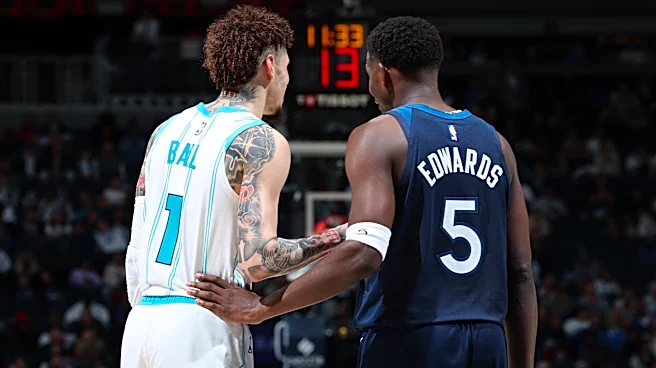
The Timberwolves have gotten younger. They’ve gotten faster. They’ve gotten considerably more explosive. And perhaps most importantly, they’ve addressed the roster imbalance that had become increasingly difficult to ignore. LaMelo Ball is one of the league’s most gifted passers, capable of throwing passes that most players don’t even see, let alone attempt. It will be fascinating to watch what that means for Anthony Edwards, who suddenly won’t face quite as much responsibility initiating the offense. It could unlock another level for Jaden McDaniels as a cutter. It could create easier baskets for Rudy Gobert, who has spent much of his Wolves tenure waiting for consistent lob opportunities that never quite materialized. Even role players stand to benefit from playing alongside a point guard who naturally elevates everyone around him.
It’s easy to understand why only 35 percent of the fan base approved of the Julius Randle trade when it happened. If the story had ended there, the criticism would have been justified, but basketball transactions rarely exist in isolation. They’re chapters in a larger narrative, and once the LaMelo Ball deal arrived, the opening chapter suddenly looked much more intentional than reactionary. What initially appeared to be a disappointing salary dump now looks more like the financial maneuver that made the franchise’s biggest offseason move possible.
Whether it ultimately works is another conversation entirely. LaMelo has his own injury history to overcome. Minnesota still needs frontcourt reinforcements. Chemistry will have to develop. Chris Finch will have to reshape the offense around a dramatically different roster. There are legitimate questions still waiting to be answered.
But one thing is beyond debate. The Timberwolves are going to look very different when they take the floor for the 2026-27 season. After several years of building around overwhelming size, Tim Connelly has decided to attack the league from the opposite direction. Whether that gamble ultimately pushes Minnesota over the championship hump remains to be seen, but at the very least, this offseason has already become a lot more interesting than anyone expected when June began.
Somehow, I still don’t think Tim Connelly is finished.
Neither does FanDuel Sportsbook, who has raised Minnesota’s 2027 title odds to +2200, a significant bump from the +3000 before the LaMelo trade.