

The Dallas Cowboys are struggling to get to the quarterback. Three games into the season, the team as a whole has two sacks. One of those came from Caleb Downs strip/tackle of Jaxson Dart in the opener, but even he didn’t get the pleasure of bringing him down because the ball popped into the hands of an offensive lineman who took off running. The only other sack the team had came in the same game, but it was shared between Donovan Ezeiruaku and Jonathan Bullard, who collectively collapsed on Dart.
That’s it. Two lousy sacks. And it’s hard to get sacks when they’re not pressuring the quarterback very much. The Cowboys have a pressure rate of14.4%, which ranks 23rd in the league. They are just not creating much of a disruption in the backfield. But why?
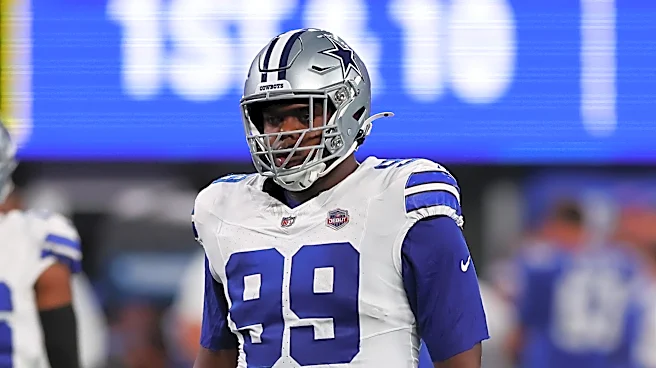
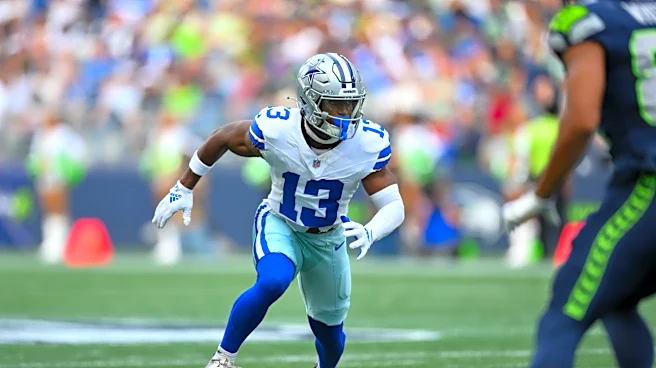
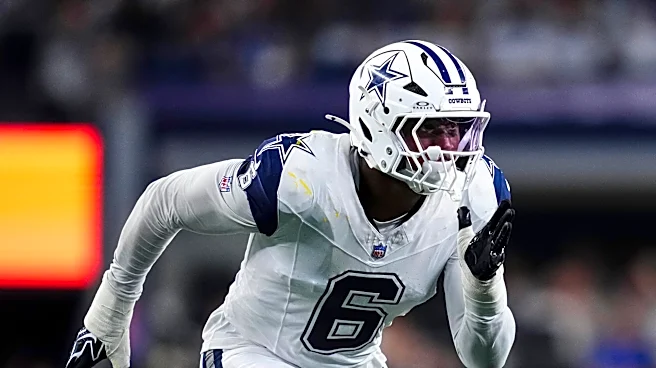
There is no obvious answer to this question. Many question the quality of talent on the edge, as it features a combination of young draft picks and newly acquired veterans. The guys doing most of the heavy lifting on the edge include: Donovan Ezeiruaku (69%), Rashan Gary (66%), Malachi Lawrence (34%), and Von Miller (24%).
Are these guys just not cutting it? Or does this have more to do with the defensive scheme of new defensive coordinator Christian Parker? The answer consists of a little bit of both, and looking over the game film of the first three games we can compile a laundry list of explanations for their ineffective pass rush. Here they are in no particular order.
They don’t seem to have a plan. The rushers aren’t utilizing any creative pass-rush strategy. No stunts, twists, or disguised looks to create pressure. It’s just predictable, straight-up rushes.
They’re not winning. This defensive scheme relies on the edge players winning their one-on-one matchups on the outside, but it’s not happening. They are being outmuscled, they don’t offer much of a hand battle, and aren’t showcasing any pass-rushing moves to maneuver around their blocker.
They are often wild and undisciplined. When they attack, they fly all over the place. They don’t seem to be in sync with any type of collective plan or responsibility. They act as independent soldiers who will sometimes become victimized by their own aggression, allowing quarterbacks an easy escape route.
They can never finish. There will be times when the energy is there, and it sure looks like they’re about to get someone, but at the last second, the quarterback gets loose. Too often, they just get caught out of position, where they are left reaching and lunging, only to come up empty. Off-balance tackling attempts won’t cut it.
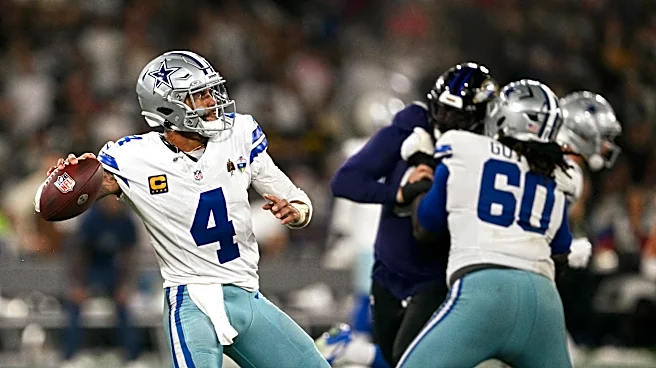
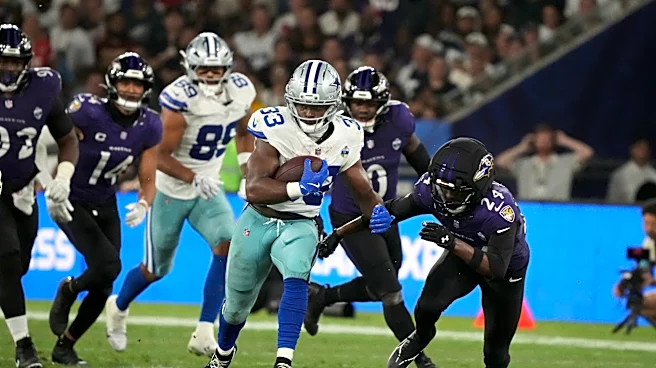
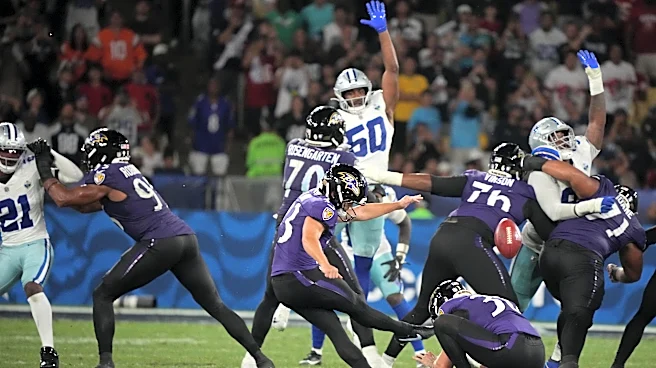
Things get a little chippy. Sometimes the Cowboys’ edge rushers had to navigate through multiple blockers to get to the quarterback. The Ravens approached this very wisely and employed a tight end or running back to chip the rusher at the line of scrimmage. These were very effective, as they disrupted the timing and forced the edge rusher to take a more scenic route to the quarterback, where they never arrived at their destination.
They were protecting against the run. One thing about this edge-rushing group is that most of them are antsy to dart inside and snatch that running back for a huge tackle for a loss. This split-second delay in assessing the play impedes their get-off, putting them in a tough spot right out of the gate.
They hang back in coverage. These guys are not pin-their-ears-back pass rushers. At. All. They’re multiple, remember? Whether it’s defending the run or sliding back into coverage, they have a variety of responsibilities. Even if they were effective in their pass-rushing reps, this element of their game would always suppress their number of pressures.
The Cowboys need to be better at generating a pass rush. Failure to do so is really a strain on their secondary, especially considering how banged up that unit is. They need to find ways to get these guys to be more effective. Another part of this is that they’re never going to be great at this. The way the defense is set up, these players have a lot of responsibilities and none of them are elite pass rushers. They’re versatile players who the team is hoping can provide a good balance of pass rush and run support.
Is it going to get better? Probably. The young players are still developing, and they should be more effective as they improve elements of their game. It’s a little more discouraging for the veterans. There’s still a chance that things start to fall into place a little better and they become a solid group that can more effectively carry out their plan, but don’t be surprised if there are more bumps along the way.
What do you see as the biggest issue with the pass rush?