


Cornerback is one of the most difficult positions to evaluate, and one of the easiest to get wrong if you focus too much on interceptions or highlight plays. Some corners look dominant in college because they’re simply better athletes than the receivers they face. Others rack up production in zone-heavy systems without being asked to truly cover.
Corners are put on an island. They’re asked to mirror elite athletes, process route concepts in real time, and recover when they inevitably get tested. The difference
between a solid corner and a liability often comes down to small details that show up consistently on tape.
Speed, Quickness & Acceleration
- Top-end speed to carry vertical routes and stay in phase with the fastest receivers. If a corner can’t run, he’s going to get exposed quickly.
- Short-area quickness and reaction ability to mirror cuts and stay attached through the route. Straight-line speed only gets you so far.
- Acceleration to close gaps quickly when trailing or reacting late. Some corners look fine early in the rep but can’t recover once they fall behind.
This is the baseline. Without it, nothing else really works.
Fluidity, Agility & Footwork
- Smooth hip transitions without stiffness or wasted motion when flipping from backpedal to running. The cleaner it looks, the easier the job becomes. Does he open the gate without issue?
- Feet and hips working together so the corner stays balanced instead of fighting his own movement.
- Efficiency in movement where one step does the job instead of two. Extra steps usually mean late reactions.
- Control in tight spaces when reacting to sharp cuts or double moves.
You can spot this quickly on tape. The best corners move like it’s effortless. Add some Beethoven in the background and it’s a beautiful thing to watch elite cornerback’s footwork and smoothness.
Press & Man Coverage Skills
- Hand usage at the line of scrimmage to disrupt timing and throw off routes early. A strong jam can completely change a rep. Doesn’t hit too high or low, but right on the breastplate is best.
- Ability to stay in phase through breaks, not just on vertical routes. Matching receivers out of cuts is where most corners separate themselves.
- Disciplined physicality where the player is aggressive without becoming overly handsy and drawing penalties.
- Patience and positioning to keep everything in front and avoid getting stacked or beaten cleanly.
It’s easy to run with someone in a straight line. It’s much harder to stay with them when the route actually begins.
Zone Coverage & Awareness
- Eyes and awareness in zone to read the quarterback while understanding route combinations developing around him.
- Ability to pass off and pick up routes in match coverage systems, especially against layered concepts.
- Range and instincts to close space quickly when the ball is thrown into his area.
- Comfort across different coverages whether it’s Cover 2, Cover 3, or more complex match schemes.
Zone coverage isn’t passive. The best players are constantly processing and reacting.
Ball Skills & Tracking
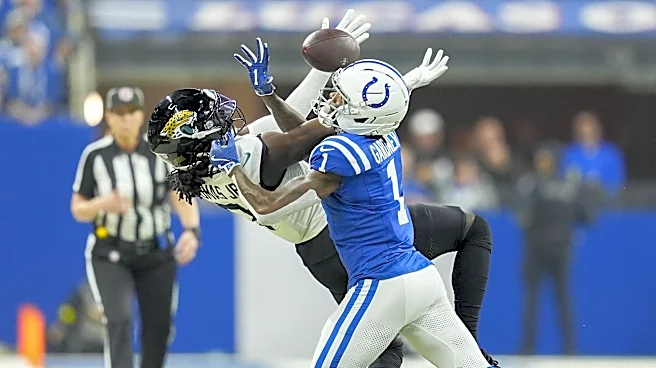
- Ability to locate and track the ball in the air without losing positioning on the receiver.
- Finishing plays at the catch point, whether that’s interceptions or pass breakups.
- Natural hands vs missed opportunities when the ball is there to be taken away.
- Timing when playing through the receiver’s hands to avoid penalties while still disrupting the catch.
Some corners cover well but never make plays. The best ones turn tight coverage into turnovers.
Recovery Speed & Makeup Ability
- Ability to recover when initially beaten and re-enter the play without panicking.
- Closing burst to make up ground late and still contest at the catch point.
- Composure under pressure instead of grabbing or giving up on the rep.
No corner is perfect. This is what keeps mistakes from turning into big plays.
Tackling & Run Support
- Willingness to step up and make tackles in space and against bigger players.
- Ability to shed blocks and stay involved instead of getting taken out of the play.
- Consistency as a tackler, not just occasional effort.
- Physical mindset when attacking downhill, especially against the run.
This is where you separate corners who play the full position from those who just cover.
Competitiveness & Mentality
- Confidence to line up against top receivers every week and keep competing snap after snap.
- Short memory after getting beat, which is critical at this position. Need to forget negative plays.
- Consistency in effort and focus, not just when the ball is coming their way.
Cornerback is as mental as it is physical. If the mindset isn’t right, it shows quickly.
Length, Strength & Frame
- Length to disrupt at the catch point and challenge bigger receivers.
- Strength to hold up in press and through contact without getting overwhelmed.
- Frame to add or maintain weight without losing mobility.
Bigger is usually better, as long as the movement skills are still there.
Versatility (Outside vs Nickel)
- Ability to play both outside and in the slot, depending on matchup and scheme.
- Comfort in different roles, whether it’s press, off-man, or zone-heavy systems.
- Potential to move around the secondary, including safety in certain situations.
Versatility adds real value, especially for teams that mix coverages.
What This Means for the Colts
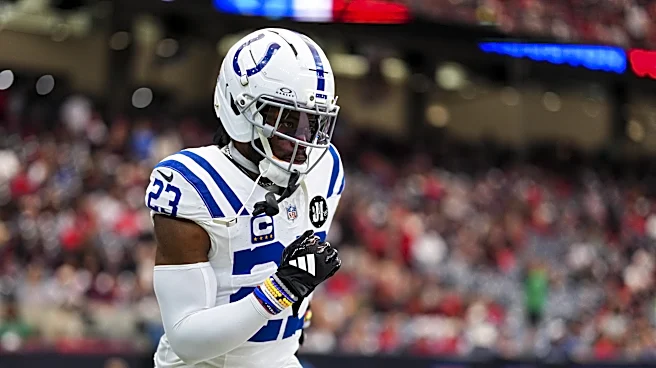
Kenny Moore has been a key piece of this secondary for years, but his future with the team isn’t guaranteed. At the same time, Charvarius Ward is getting closer to the end of his career after a series of concussions, and while he can still contribute, he’s not a long-term solution.
In the short term, the position may look stable, but there are many questions surrounding this spot long term.
That means the Colts have to start thinking ahead. They can’t just patch the position year to year. They need to find corners who can develop into reliable starters, players who can handle both man and zone responsibilities and hold up against the level of receivers they’ll see every week.
This isn’t just about adding depth, but rather, it’s about finding the next core piece of the secondary before the current one phases out.
Other Instalments: