





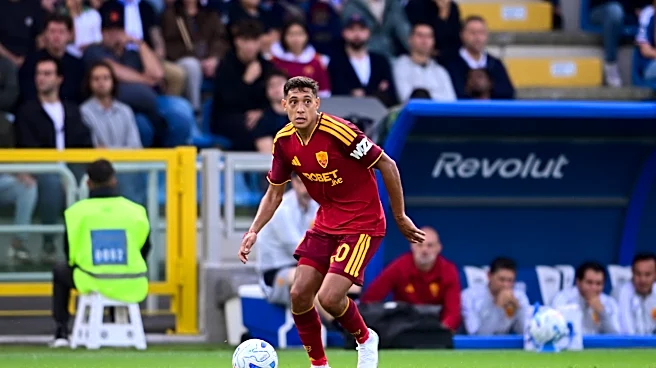

Here are three keys to beating AS Roma later tonight at the Olimpico. If you’re interested, we also collaborated with our SB Nation sister site, Chiesa di Totti, in podcast form:
Breaking Gian Piero Gasperini’s high press
Roma are very aggressive. Gasperini’s vision is starting to take shape, and his side have really started to dial in his principles. Some teams are aggressive and daring until they face a big club like Real Madrid, only to be more conservative when that occasion arrives.
Not Roma. They’re
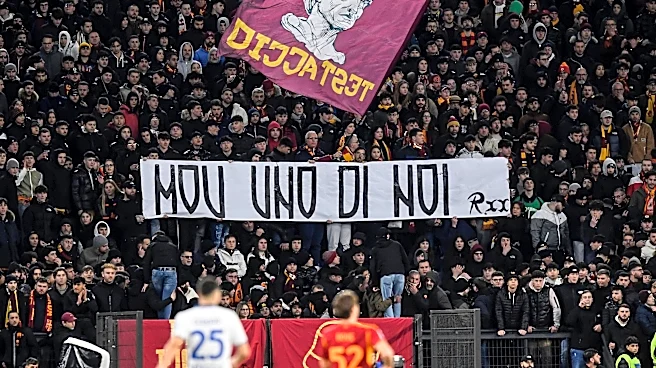
playing at home, in front of one of the best atmospheres on the continent, and will arrive charged and ready to create discomfort. They are unbeaten for a reason. Earlier this season, they gave Inter all kinds of hell with their organized aggression.
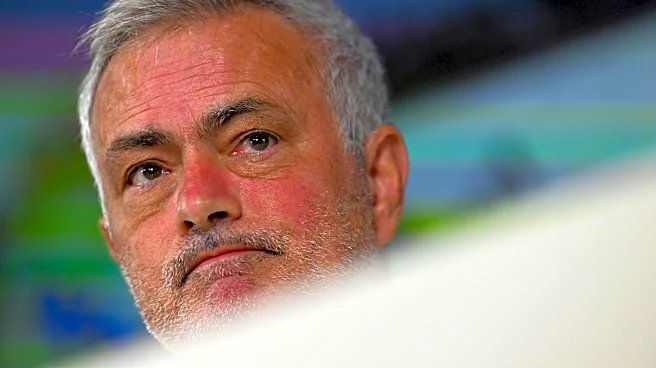
We know how Jose Mourinho generally treats these games. He’ll most likely be more than fine with ceding possession and sitting deeper in hopes of launching dangerous transition attacks.
Roma concede just 8.89 passes per defensive action (PPDA) in Serie A — the fourth fewest in the league. The center-backs hold a very high line, and the wing-backs push up. When possession is lost, Roma are rabid. They have a lethal man-to-man high press. The front line cuts off central passing lanes and forces possession to the flanks, where the wing-backs, stationed high and wide, close down quickly and cause turnovers.
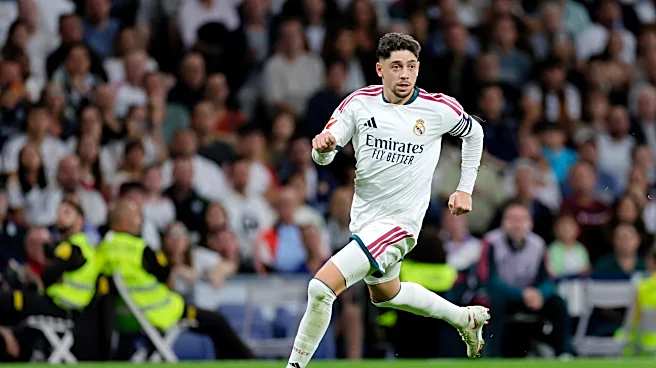
Real Madrid have struggled under pressure. This is, in part, why I think starting Trent Alexander-Arnold over Denzel Dumfries would work better — and part of the reason I value Trent’s ball progression over his defensive liability in most big games. Both Arda Güler and Jude Bellingham will likely have to do a lot of deep ball progression work to help escape pressure and quickly get the ball to the attacking players.
Launch quickly and mercilessly
Roma’s strength is also their weakness. Gasperini typically deploys a 3-4-3, with his wing-backs out of position defensively. The biggest risk with that is obvious: It leaves their center-backs isolated against quick wingers with a ton of space behind them. All it takes is one mistake, and Vinicius Jr, Kylian Mbappe, and Jude Bellingham can do what they do best: Murder teams on the break.
This whole premise is why Real Madrid generally look better in Europe than they do in La Liga. The premise: space.
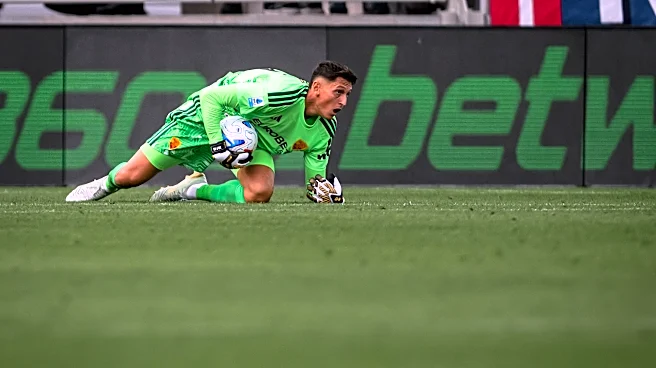
Easier said than done, of course. Roma have three fall-backs before they concede transition attacks: 1) win the ball high up the pitch and damage Real Madrid’s momentum; 2) track defensively in transition and step up at the right moment; 3) the goalkeeper (Gollini in this case as the excellent Svilar is injured) jumps off his line to sweep up the attack.
Real Madrid’s transition attack has been very hit-or-miss since Mbappe arrived. There is little-to-no cohesion between him and Vinicius. What was once considered (theoretically) a devastating transition attack inspires very little confidence these days. Still, Real Madrid would much rather play against teams that provide the kind of space that Roma do.
Starve Dybala
Roma have a lot of dangerous players. Manu Koné is a two-way force. Donyell Malen has been scoring freely this season. But the connective tissue is Dybala. Take the ball out of his feet and you’ve done Thibaut Courtois a big service in starving Roma of chances.
Dybala is often the recipient of Koné’s vertical passes, and Dybala — one of the best creators in Europe — pumps Malen with chances.
Dybala has registered 22 chances created in Europe — not far off from Arda Güler who leads the entire continent in both total volume and per 90. He is third in Serie A in passes into the final third and his off-ball fluidity makes him hard to track. As Mehedi Hassan pointed out on Managing Madrid, Dybala accounts for 2.11 of Roma’s Expected Threat (xT).
Sometimes it will be Marc Cucurella marking Dybala, but often times it will have to be on Aurelien Tchouameni to stay disciplined in his positioning to come over into the half space to close Dybala down. The help and coverage will be key.